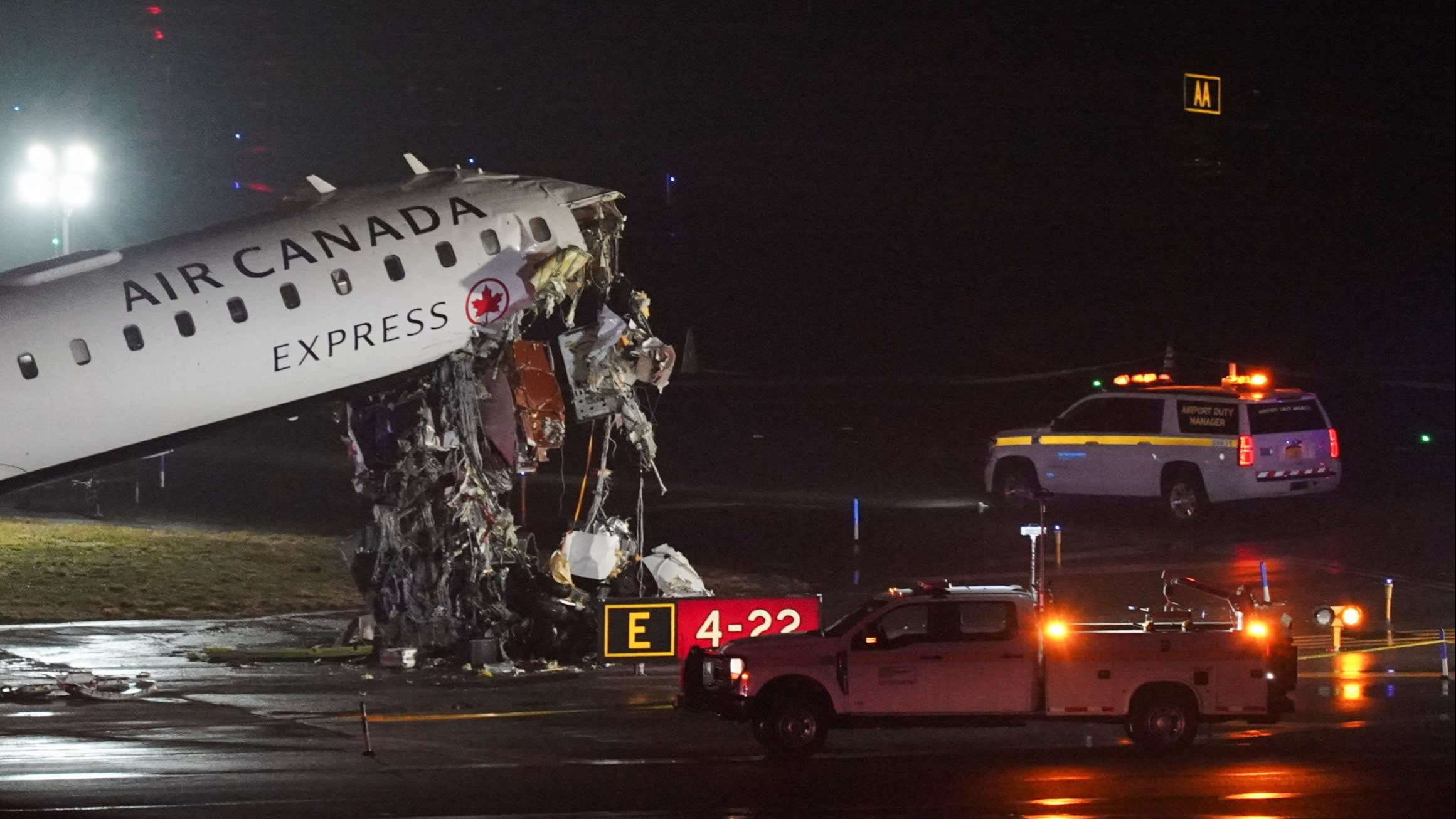

The collision of a Montreal‑origin passenger jet with a ground vehicle, while an isolated incident, has prompted a rapid reassessment of operational risk profiles across major airline networks that serve the Middle East and North Africa. Aviation insurers and reinsurers are already adjusting premium forecasts for carriers that rely heavily on North American‑European transit corridors, a segment that underpins the region’s growing tourism and business travel corridors. For sovereign wealth funds that have earmarked substantial capital for airport modernization projects—such as Saudi Arabia’s Red Sea International Airport and Qatar’s Hamad International expansion—the event underscores the need to embed stricter ground‑movement safety protocols into procurement specifications, potentially reallocating tens of millions of dollars toward advanced sensor‑based tarmac management systems.
From a venture‑capital perspective, the incident accelerates interest in start‑ups developing AI‑driven runway incursion prevention, real‑time vehicle‑to‑aircraft communication, and autonomous ground‑handling robotics. MENA‑focused funds, including Dubai Future Foundation’s venture arm and Abu Dhabi’s Hub71, are likely to fast‑track follow‑on investments in companies whose technologies can demonstrate compliance with ICAO’s updated Safety Management Systems (SMS) standards. This shift could redirect an estimated $150‑$200 million of early‑stage capital over the next 18 months toward aerospace safety innovations, aligning with broader regional strategies to diversify beyond hydrocarbons.
Infrastructure implications are equally pronounced. Airport operators across the GCC and North Africa are reviewing their apron design standards, lighting, and surveillance coverage to mitigate similar ground‑collision scenarios. The International Air Transport Association’s (IATA) forthcoming safety audit cycle will likely incorporate stricter ground‑vehicle segregation metrics, prompting capital expenditures on upgraded ground‑radar, multilateration, and integrated traffic‑management platforms. Such upgrades, while increasing short‑term capex, are expected to yield long‑term operational efficiencies—reducing delay costs estimated at up to 4 % of annual airline revenue for hubs that handle over 30 million passengers annually.
In sum, the Montreal incident serves as a catalyst for a measurable reallocation of sovereign and private capital within the MENA aviation ecosystem. Stakeholders—from sovereign wealth funds allocating funds for resilient airport infrastructure to venture firms backing next‑generation safety technologies—are now recalibrating risk assessments and investment theses to reflect heightened demands for ground‑operation safety, thereby reinforcing the region’s commitment to building a more secure and economically robust air transport network.