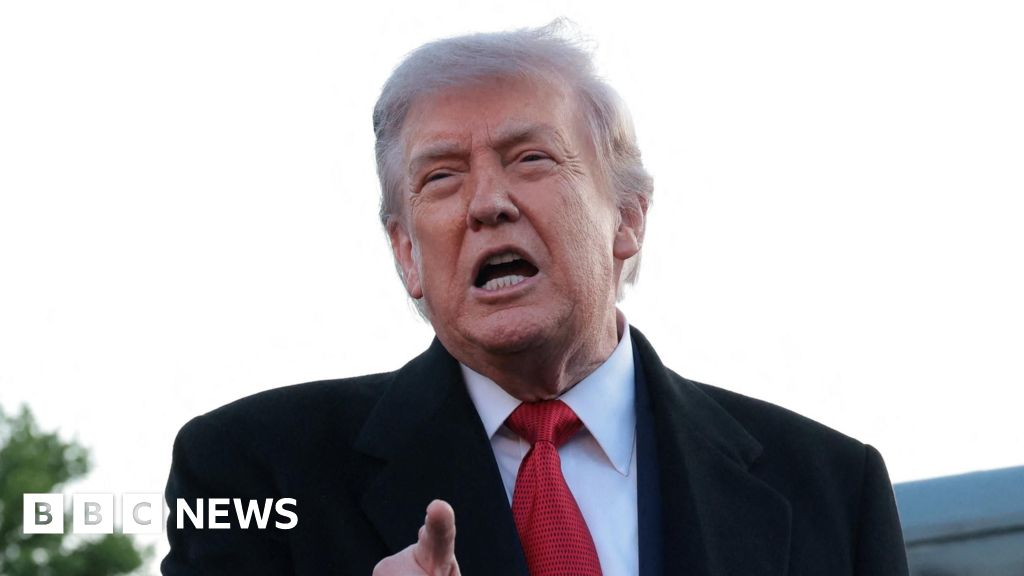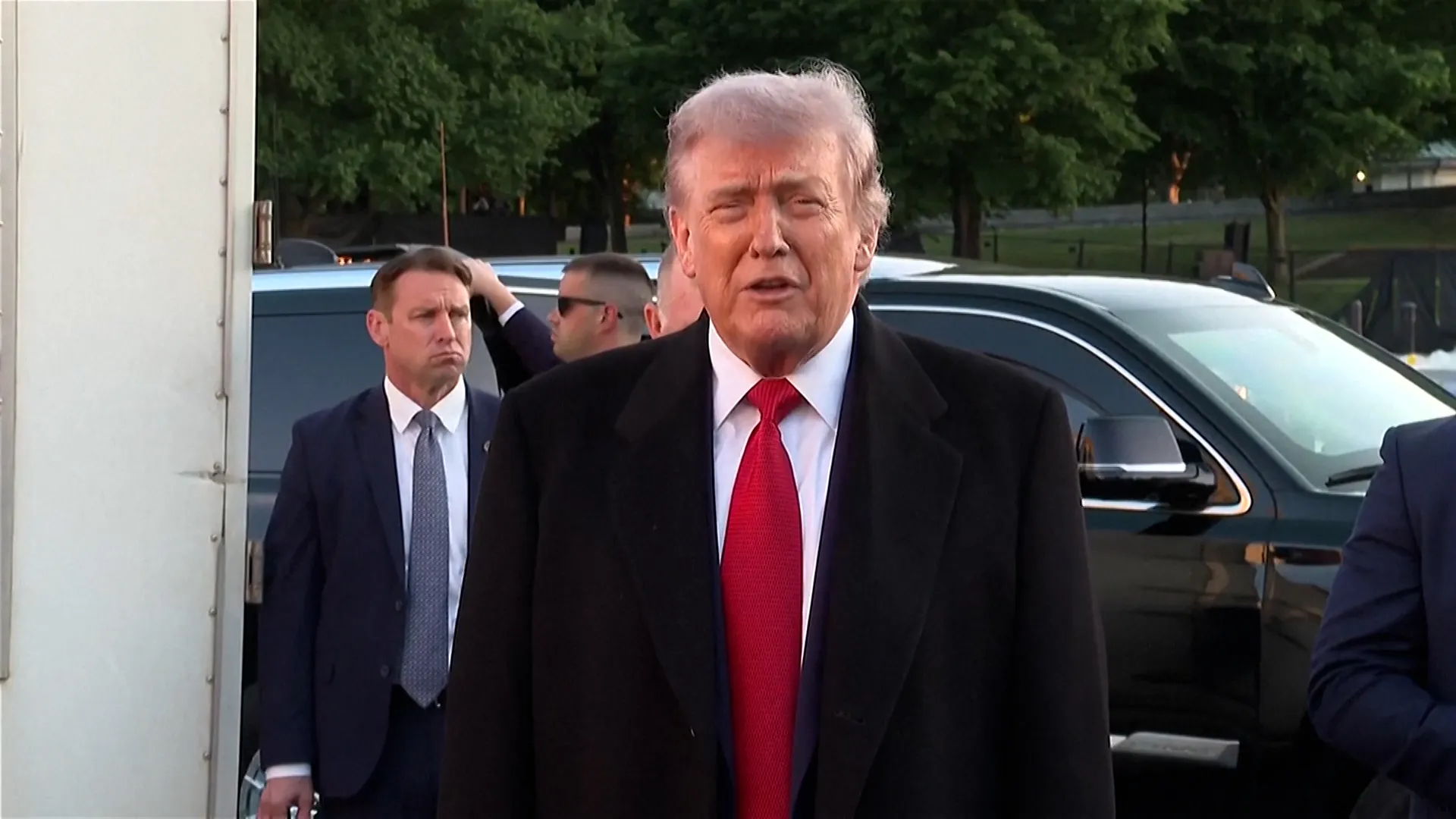

In a rare flare of executive rhetoric, President Trump reaffirmed the ceasefire with Iran amid renewed hostilities in the Strait of Hormuz. The statement, issued at a time when U.S. and Iranian forces had traded fire, underscored Washington’s insistence that Tehran sign a binding truce or face escalating economic and military pressures. The diplomatic back‑and‑forth threatens to destabilise one of the world’s most critical shipping lanes, with far‑reaching consequences for MENA‑region markets.
For sovereign wealth funds across the Gulf, the volatility spikes risk‑adjusted returns on offshore projects. Saudi Aramco, Abu Dhabi Investment Authority, and Qatar Investment Authority have already begun re‑evaluating exposure to high‑yield, high‑risk ventures that could be disrupted by sudden sanctions or supply chain interruptions. The threat of renewed sanctions raises the cost of capital for projects reliant on Western financing, forcing sovereign entities to seek alternative partners or negotiate more stringent risk‑sharing clauses with international banks.
The venture‑capital appetite for pre‑pandemic levels has receded as regional VC ecosystems – led by Dubai’s Silicon Oasis and Cairo’s growing fintech hub – now face heightened due diligence requirements. Investors are increasingly demanding proof of resilient supply chains and geopolitical safeguards before committing to new startups. Consequently, funding rounds for early‑stage tech firms have contracted, while seasoned enterprises with established cross‑border links are capturing the remaining capital. This shift could slow the pace of innovation in sectors such as renewable energy and digital payments, diminishing the competitive edge of MENA markets on the global stage.
Infrastructure development plans across the region are also at a crossroads. The stability of critical maritime routes is a linchpin for the ongoing expansion of free‑trade zones, maritime logistics complexes, and energy export pipelines. Washington’s threat of “pain” could trigger a reassessment of project timelines, costing estimates, and the allocation of public funds. In the medium term, the region may accelerate investment in alternative shipping corridors and diversify energy export routes, but the immediate effect is clearer—an uptick in project risk premiums and a slowdown in cross‑border collaboration that will reverberate across the entire MENA economic landscape.