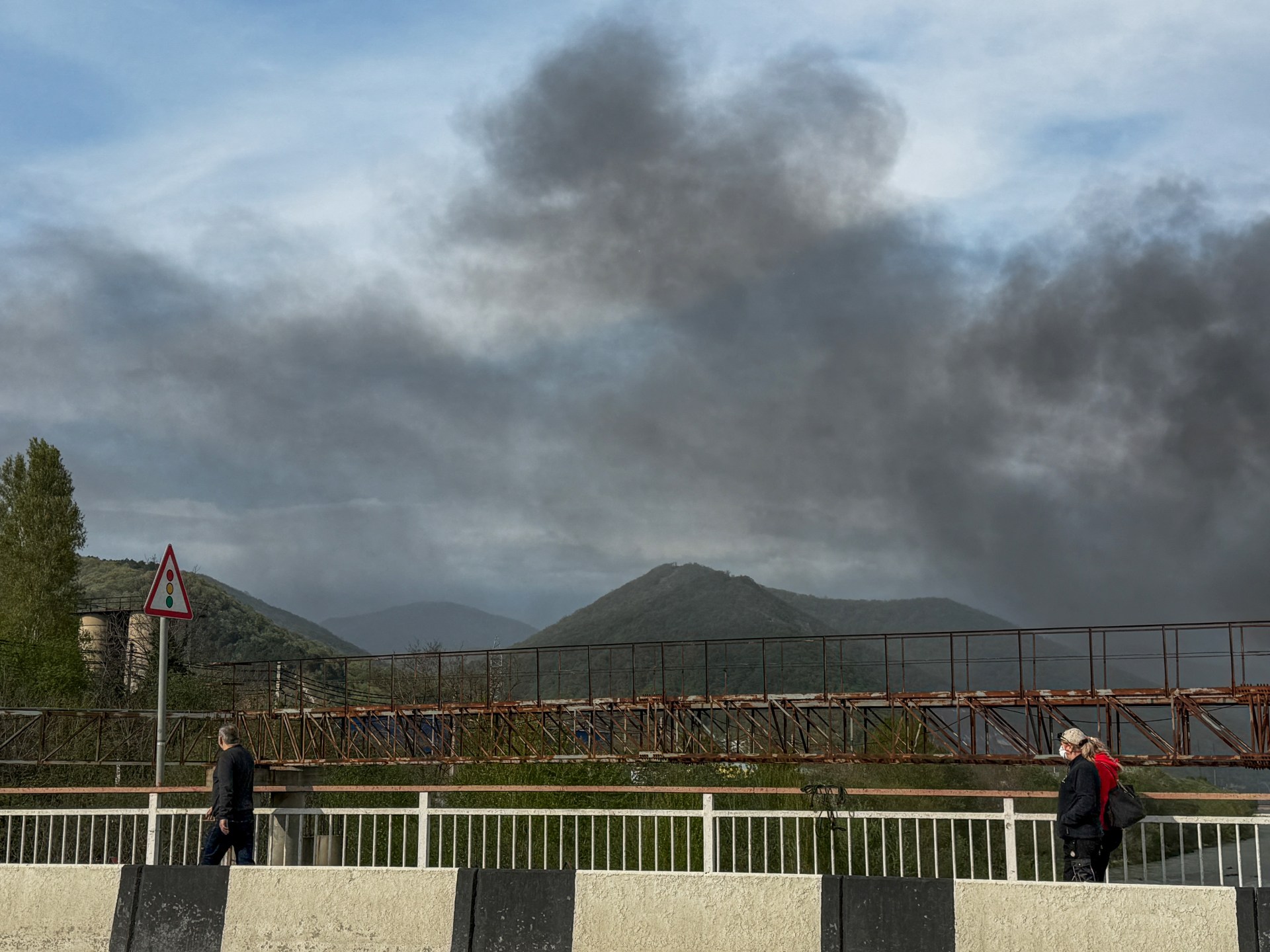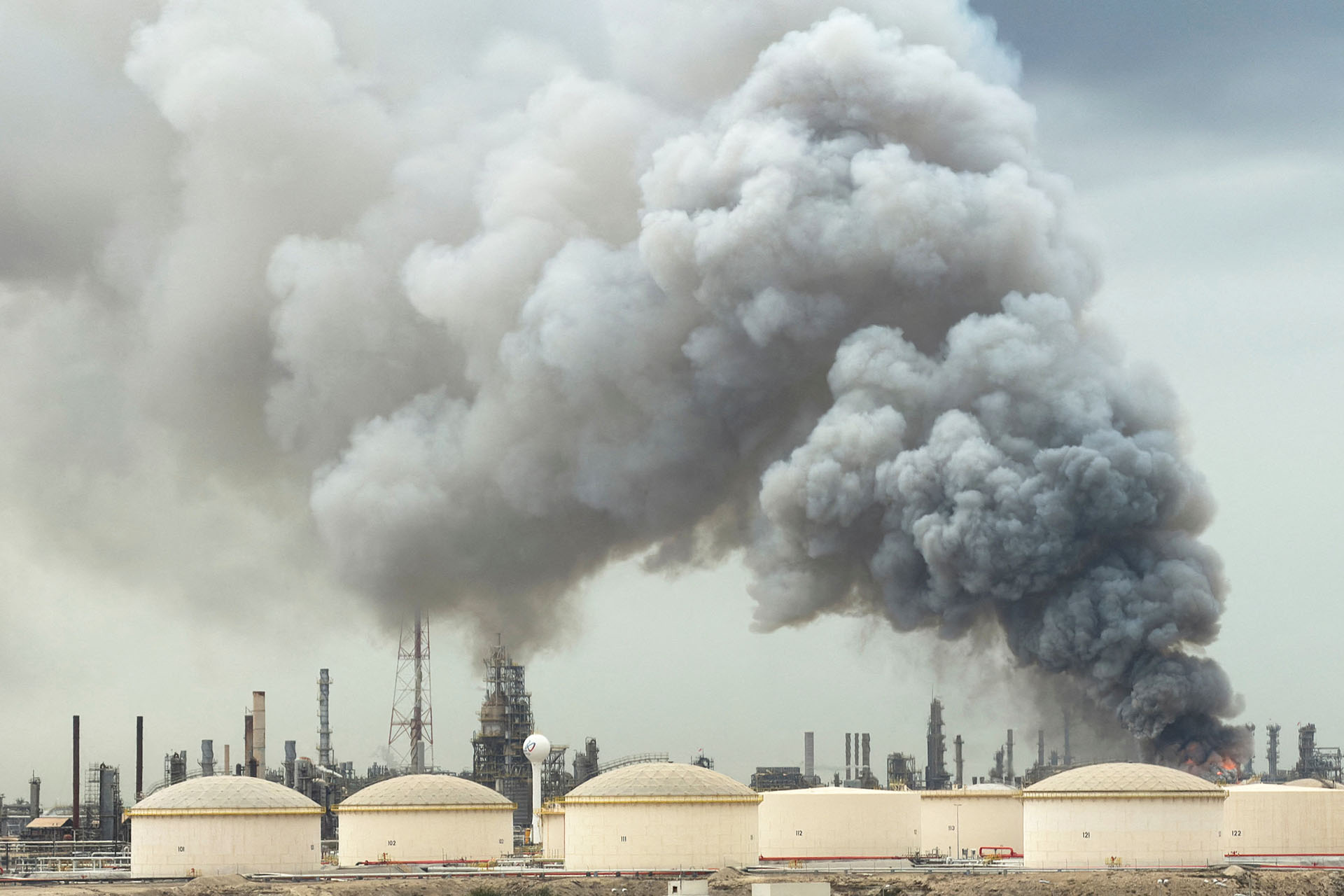

Iran’s threats to the Strait of Hormuz have prompted UAE Energy and Technology Minister Sultan Al Jaber to describe renewed attacks in the region as a form of “economic terrorism,” warning of the exponential costs to global supply chains and energy markets. As the war enters its fourth week, over 40 energy infrastructure sites across nine Middle Eastern countries have been severely damaged, according to the International Energy Agency. This represents the largest supply shock in oil market history, comparable to 1970s oil embargoes, disrupting not just crude oil but LNG exports, petrochemicals, and helium shipments.
The conflict is creating ripple effects throughout regional and global markets. Qatar’s Ras Laffan facility—one of the world’s largest LNG export terminals—has sustained damage threatening lasting global gas shortages, while Shell’s 1.6 billion cubic feet per day Pearl gas-to-liquids facility halted operations after retaliatory strikes. Iraqi authorities have declared force majeure on foreign-operated oilfields, with most crude exports effectively stalled due to strait disruptions. Meanwhile, US oil and gas dealmaking has ground to a halt amid extreme price volatility, while American gasoline prices have jumped over 30% to nearly $4 per gallon.
Regional infrastructure faces mounting pressure as Tehran expands its threats beyond naval blockades. Iranian officials warn they could deploy mines in the Gulf if coastal facilities are targeted, creating new insurance and logistics risks for UAE ports. This potential “floating mine threat” could force London’s insurance markets to withdraw standard coverage for ports north of the Fujairah-Khor Fakkan line, fundamentally altering the region’s commercial geography. Even the aviation sector is feeling the strain, with Dubai International Airport damage reports, flight cancellations from global carriers, and Emirates running reduced schedules as Middle East airspace remains unpredictable.