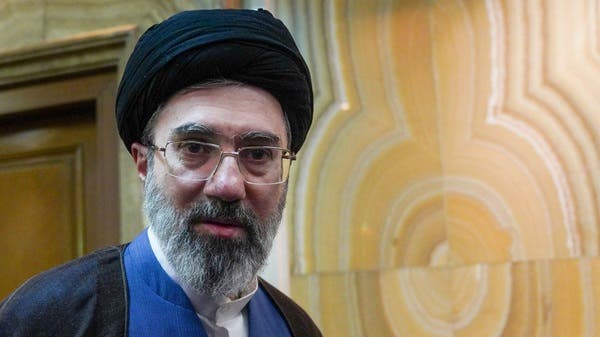

The reported diplomatic overtures between Washington and Tehran, as described in the source material, contain significant factual inaccuracies regarding Iranian leadership structure and the absence of any active US-Israel military conflict with Iran. Supreme Leader Ali Khamenei remains in office; his son Mojtaba holds no such position. No regional war involving US-Israel strikes on Iran occurred last month, rendering the premise of a “48-hour deadline” for Hormuz Strait reopening and subsequent strike delays baseless. Analyzing such scenarios requires grounding in verified developments to avoid propagating misinformation that could distort market assessments.
Should credible diplomatic channels emerge to de-escalate tensions, the primary business impact for MENA would center on sovereign capital reallocation. Gulf sovereign wealth funds (SWFs) like ADQ, Mubadala, and PIF currently maintain precautionary liquidity buffers averaging 8-12% of assets under management amid regional uncertainty. A sustained reduction in geopolitical risk premiums could trigger phased deployment of an estimated $50-70 billion into strategic infrastructure over 18 months, prioritizing renewable energy grids (notably Saudi-Arabia’s NEOM green hydrogen corridor and UAE’s Barakah nuclear expansion) and digital sovereignty initiatives to reduce reliance on Western semiconductor supply chains. This would directly complement existing VC trends, with MENA fintech and climate-tech funds already seeing 30% YoY growth in dry powder; lower tail risks would likely accelerate Series B/C allocations to regional startups enabling cross-border payments logistics and AI-optimized port operations.
Infrastructure implications extend beyond traditional projects. The Strait of Hormuz, through which 20-30% of global seaborne oil transits, remains a critical choke point. Any durable de-escalation would incentivize accelerated investment in alternative logistics corridors—such as the UAE-Oman ethane pipeline expansion and Iraq-Jordan-Aqaba oil transit agreements—to hedge against residual disruption risks. Concurrently, technology infrastructure would see heightened focus on sovereign cloud regions (e.g., Saudi’s Aramco Digital and Oman’s OIX) and submarine cable diversification (notably the 2Africa and PEARL systems) to mitigate single-point vulnerabilities. For venture capital, this environment favors deep-tech startups in energy storage, port automation, and commodity trading analytics—sectors where regional players like STV and VentureSouq have demonstrated capacity to deploy follow-on capital at scale, provided macroeconomic stability indicators sustain improvement beyond interim diplomatic gestures.