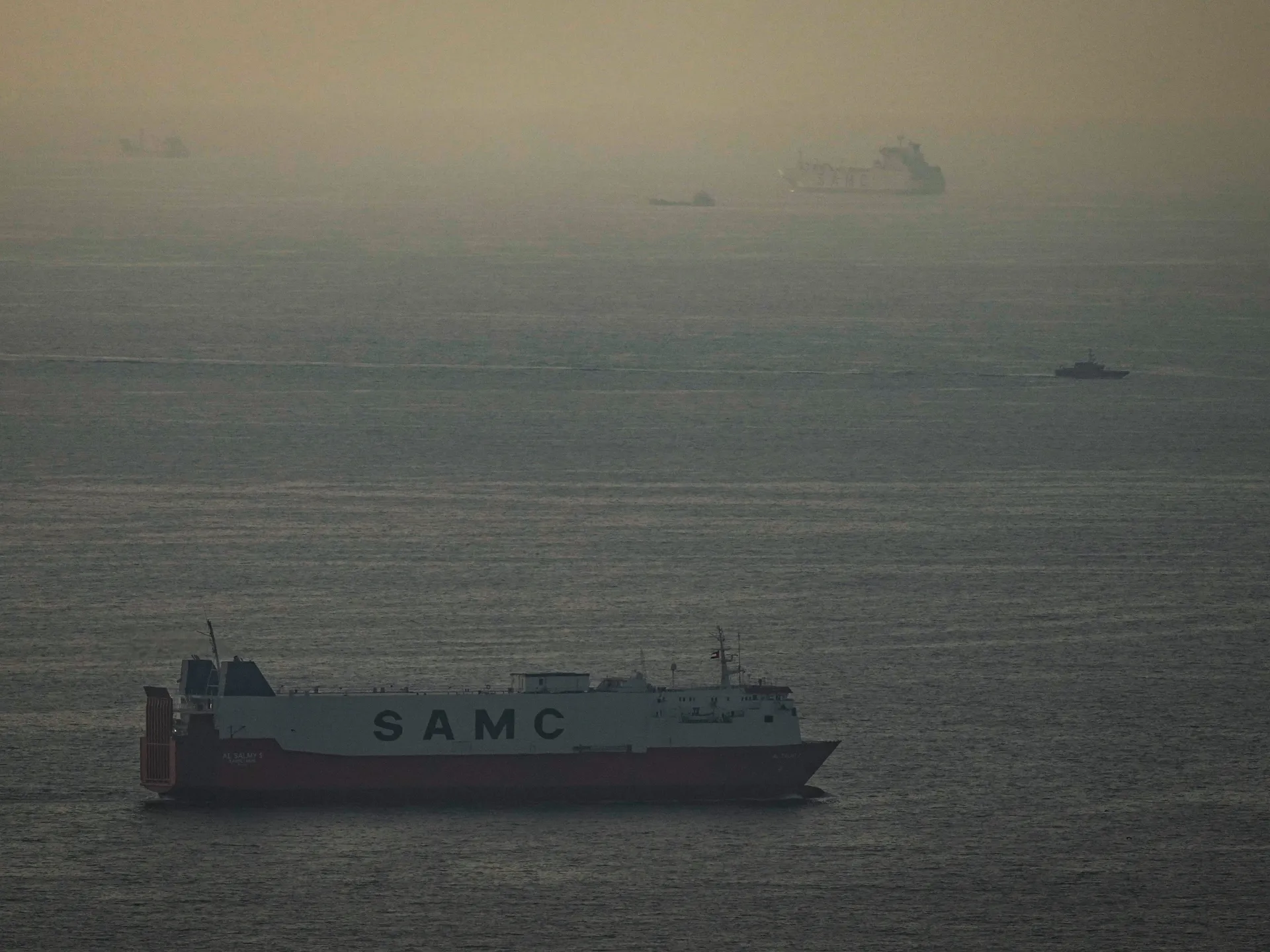

Iran’srecent declaration that “non‑hostile” vessels may transit the Strait of Hormuz marks the first substantive policy shift since the February 28 conflict between the United States, Israel and Tehran. By formally extending safe‑passage rights to any ship that refrains from supporting aggression, Tehran seeks to legitimize a waterway that previously witnessed a 90 % drop in traffic. The move is being leveraged by Tehran as both a diplomatic concession and a bargaining chip in the ongoing negotiations hinted at by U.S. President Donald Trump, thereby injecting a degree of predictability into an otherwise volatile maritime corridor.
The immediate business impact has been a steep escalation in global energy price benchmarks, with Brent crude oscillating near $150 per barrel amid fears of a prolonged choke‑point. Sovereign wealth funds in the Gulf Cooperation Council (GCC) have responded by reallocating a measurable portion of their liquidity discretionary allocations from downstream energy assets to alternative infrastructure projects, while multinational commodity traders have begun hedging exposure through forward contracts to mitigate supply‑chain shocks. The resulting price volatility is also prompting a reassessment of portfolio exposure among institutional investors across the Middle East and North Africa.
From an infrastructure perspective, the strain on the Strait of Hormuz underscores the strategic imperative for regional powers to fast‑track alternative logistics corridors, notably the development of the Red Sea‑to‑Mediterranean and the Gulf‑Caspian pipeline networks. Competing visions of a “Southern Route” are emerging as focal points for sovereign‑backed mega‑projects, with public‑private partnerships increasingly tapping sovereign capital markets to fund container‑terminal upgrades and autonomous‑shipping technologies. Venture‑capital funds are aligning their pipelines toward startups that specialize in AI‑driven maritime surveillance, offshore renewable energy integration and cross‑border logistics platforms, viewing these sectors as resilient to geopolitical disruptions.
Looking ahead, the degree to which Iran’s concessions can be operationalized will hinge on the rigor of its safety‑and‑security protocols and the willingness of global shipping registries to adopt them. Should de‑escalation materialise, sovereign fund managers anticipate modest but steady inflows into maritime‑security equities and infrastructure‑bond issuances, while venture capitalists will likely double down on token‑based trade‑finance solutions designed to streamline customs clearance and mitigate transaction risk. The evolving situation thus reinforces the region’s broader strategic trajectory toward diversified capital deployment and resilient supply‑chain architectures.