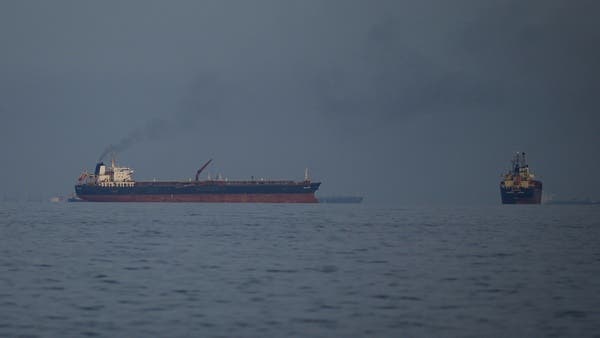

The recent imposition of ad‑hoc transit fees by Tehran on vessels traversing the Strait of Hormuz signals a strategic shift toward monetising a chokepoint that channels roughly 20 % of global oil and gas flows. From a sovereign‑capital perspective, these levies represent a modest yet politically potent revenue stream that could offset the fiscal strain of prolonged conflict and sanctions, thereby bolstering Iran’s fiscal resilience without resorting to overt debt issuance.
For venture capital and private‑equity investors, the heightened operational uncertainty introduces a risk premium on projects dependent on seamless maritime logistics, especially those tied to energy‑intensive supply chains in South Asia and East Africa. The informal toll regime underscores the need for diversified routing strategies and could accelerate investments in alternative logistics hubs, such as the expanding port infrastructure in Oman’s Duqm and the Indian Ocean corridor championed by regional development banks.
Regionally, the fée structure may catalyse a broader re‑evaluation of maritime security agreements and spur cooperative ventures among Gulf Cooperation Council (GCC) states to develop shared navigation oversight mechanisms. Such collaboration could unlock sovereign‑financed financing vehicles aimed at modernising AIS and satellite tracking systems, thereby enhancing transparency and reducing transaction costs for global shipping firms.
In the longer term, the emerging model of informal levies may inspire similar revenue‑extraction tactics by other littoral powers, prompting a re‑balancing of sovereign capital allocations across the MENA basin. Investors and policymakers alike must monitor these developments closely, as they will markedly influence infrastructure spending, trade finance frameworks, and the overall attractiveness of the Gulf’s maritime corridors for future capital deployment.