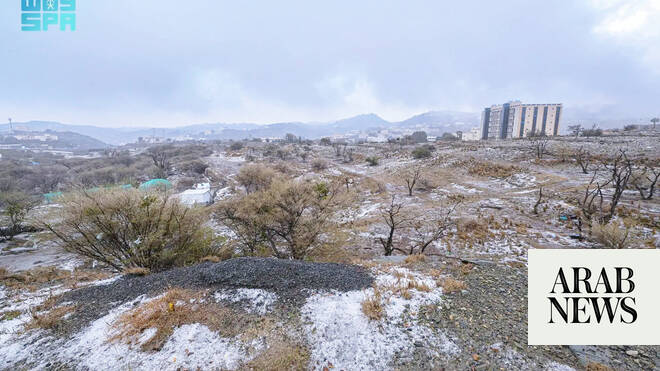

Saudi Arabia’s ongoing period of severe weather, extending across 13 key regions, represents more than a temporary disruption—it is a material stress test for the Kingdom’s accelerated economic blueprint. The flash floods and hailstorms directly threaten the timelines and operational continuity of Vision 2030’s cornerstone giga-projects, including NEOM, Qiddiya, and the Red Sea Global. Sovereign capital allocations, particularly from the Public Investment Fund, are now exposed to execution risk as supply chains falter, construction schedules incur weather-related delays, and the immediate fiscal burden of emergency response and infrastructure repair competes with long-term developmental budgets. This event underscores a critical vulnerability: the rapidscale of urbanization in previously arid zones has potentially outpaced the adaptation of drainage and resilience systems, creating latent costs for both public and private sector balance sheets.
The meteorological event triggers a recalibration of regional infrastructure investment priorities. The widespread impact—from the Eastern Province to the northern borders—highlights the need for integrated, climate-resilient water management systems, a sector ripe for targeted venture capital and public-private partnership models. For sovereign wealth funds and national development banks, the imperative is to pivot discretionary spending toward foundational flood mitigation, smart-city water tech, and decentralized power grids that can withstand climatic volatility. The tangible damage to roads and temporary halts in logistics corridors, such as those affecting the Riyadh and Makkah regions, will now feature prominently in risk-assurance frameworks for future FDI, compelling a reassessment of insurance premiums and project feasibility studies across the MENA construction and logistics landscape.
Beyond immediate physical damage, the weather’s asymmetric regional impact creates divergent economic narratives. While heavy rainfall temporarily enhanced the tourism appeal of the Asir highlands—a key component of the domestic tourism push—the simultaneous flooding in agricultural plains like Al-Aflaj poses a direct threat to food security initiatives backed by sovereign investment. This dichotomy amplifies the investment thesis for agritech and climate-smart agriculture within the Kingdom’s VC ecosystem. Furthermore, the event serves as a real-time case study for the entire Gulf Cooperation Council on the financial exposure of mega-project portfolios to climate change, likely accelerating sovereign dialogues on shared regional forecasting and contingency funding mechanisms to protect the trillions in capital earmarked for economic diversification.
The broader implication for MENA is a swift and likely costly integration of extreme-weather contingency into all national development planning. For international capital, the episode elevates the due diligence criterion of ‘physical climate risk’ from a peripheral concern to a central tenet of sovereign and project-level investment committees. The regions most dependent on rapid infrastructure build-out for their economic transformation—from Saudi Arabia to the UAE and Egypt—will now face higher risk-adjusted costs of capital. This meteorological incident, therefore, functionally expedites a necessary, albeit expensive, evolution in the region’s financial and development architecture, directly channeling sovereign and venture resources toward technologies and engineering solutions that can monetize resilience.