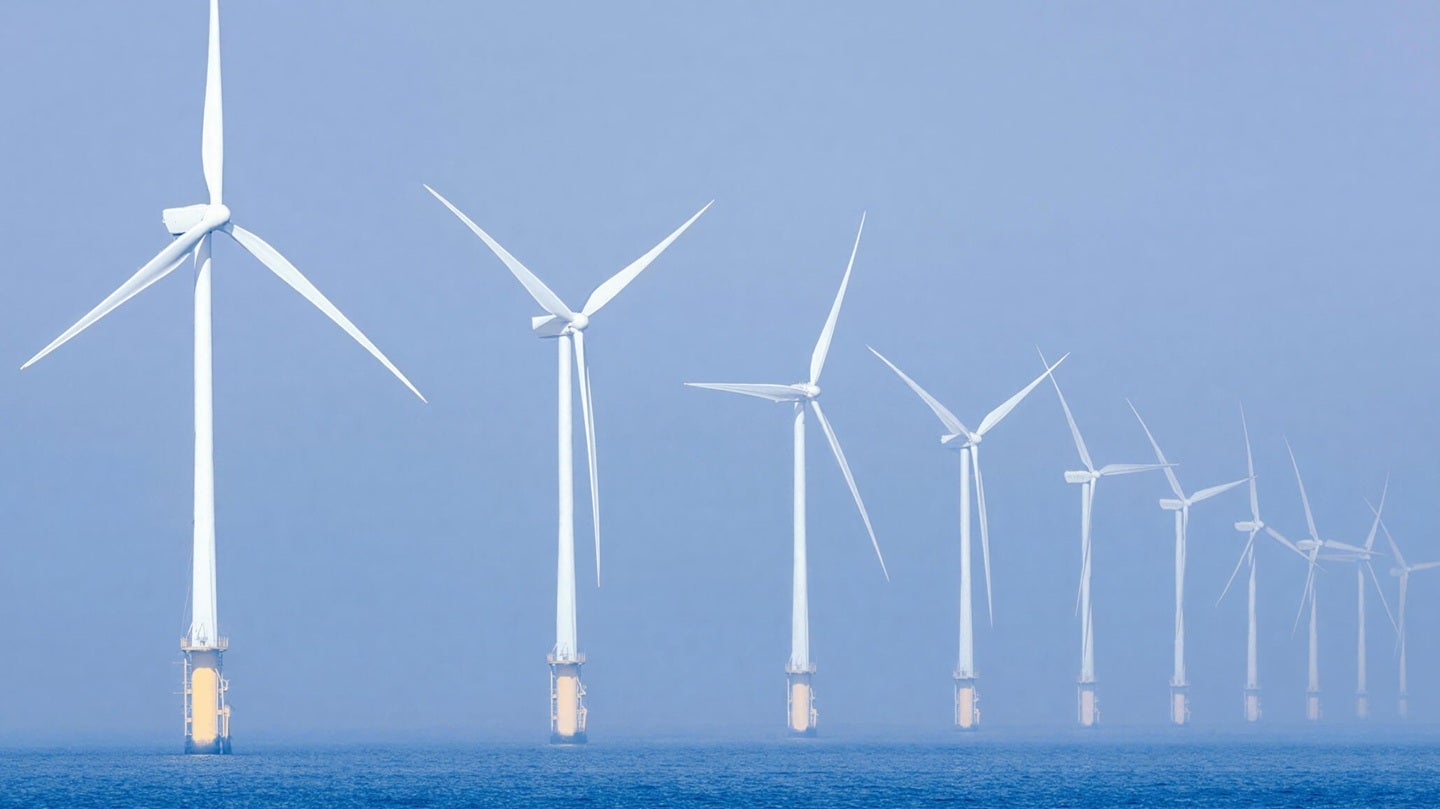

Abu Dhabi’s Mubadala Investment Company has committed $325 million to the 2.9-gigawatt Hornsea 3 offshore wind project in the UK, a move underscoring the strategic deployment of Gulf sovereign capital into critical European energy infrastructure. The transaction, structured alongside an Apollo-managed consortium including USS and La Caisse, represents a significant late-stage infrastructure investment by a major MENA sovereign wealth fund, highlighting the region’s evolving role from hydrocarbon investor to key participant in the global energy transition. Hornsea 3, positioned to become the world’s largest offshore wind farm upon completion, will deliver renewable power to over 3.3 million UK households, providing long-term, inflation-linked cash flows attractive to institutional investors with multi-decade horizons.
The deal is emblematic of a broader trend: MENA sovereign funds leveraging their balance sheets to acquire stakes in de-risked, operational-ready assets in developed markets, thereby securing stable returns while supporting portfolio diversification away from oil-linked volatility. Mubadala’s participation, following Apollo’s acquisition of a 50% stake from Ørsted, validates the project’s credit quality and construction pedigree. For the UK, it injects additional patient capital into its offshore wind supply chain, reinforcing energy security and industrial strategy without additional fiscal burden. This model—where Gulf capital partners with leading global asset managers—is becoming a primary channel for financing mega-projects, effectively outsourcing deal origination and execution expertise while providing SWFs with scalable, high-quality exposure.
Regionally, the transaction carries significant signaling power. It demonstrates that Abu Dhabi’s investment strategy is increasingly aligned with global decarbonisation trajectories, using energy transition assets as a tool for geopolitical and economic influence. The move also sets a precedent for other Gulf investors, suggesting that large-scale renewable infrastructure in stable jurisdictions represents a core holding, not just a thematic play. Furthermore, it highlights the maturation of the regional investor base; Mubadala is not merely allocating to green themes but is executing complex, club-deal consortiums alongside premier global institutions, a sophistication that raises the competitive bar for venture and growth capital in the MENA energy tech space.
The Hornsea 3 investment is a logical extension of Mubadala’s existing global renewable portfolio, which includes positions in Tata Power Renewables, Skyborn Renewables, and Rezolv Energy. This pattern reflects a deliberate strategy: building a diversified, geographically spread collection of energy transition assets that benefit from varying subsidy regimes, grid dynamics, and technological profiles. For the broader MENA venture and growth capital ecosystem, such sovereign-led infrastructure deals create an implicit benchmark for exit valuations and risk underwriting. They also free up regional venture capital to focus on earlier-stage, disruptive technologies—such as green hydrogen, energy storage, and grid digitalization—where pure-play private capital can take more concentrated bets, knowing the foundational, large-scale projects are being financed by the region’s deepest pockets. The ultimate implication is a two-tiered regional energy investment landscape: SWFs and pension funds anchoring the infrastructure layer, and agile VCs driving innovation below it.