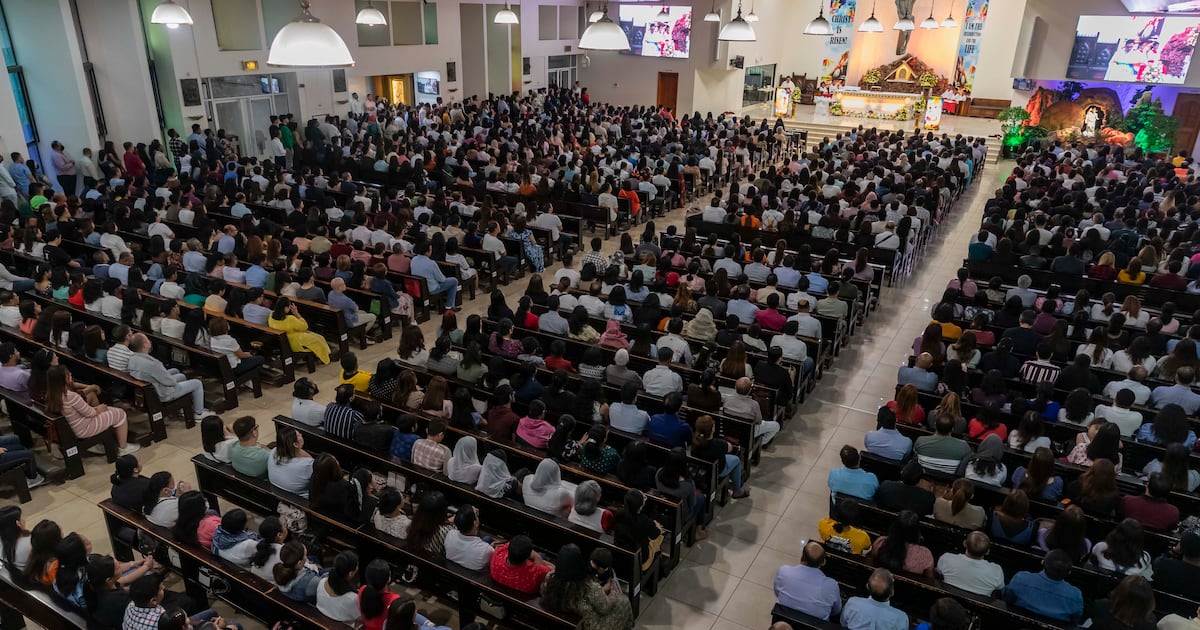

The recent decision by St Mary’s Catholic Church in Dubai to reopen under a mandatory registration regime underscores a calibrated approach by the UAE authorities toward balancing public‑health safeguards with the continuity of critical civic functions. By tying access to a state‑mandated digital sign‑up, the government signals a willingness to employ technology‑driven crowd‑control mechanisms that can be replicated across other high‑impact sectors, thereby reinforcing investor confidence in the predictability of regulatory interventions.
From a business‑impact perspective, the limited‑capacity, indoor‑only model restricts ancillary economic activities that traditionally accompany large‑scale religious gatherings—namely hospitality, retail, and ancillary tourism spend. This curtailment feeds directly into sovereign wealth fund assessments of sectoral exposure, prompting a reassessment of allocations toward real‑estate and leisure‑related assets in Dubai, while simultaneously accelerating diversification into resilient, technology‑enabled service models.
Venture capital firms are likely to view the imposed registration infrastructure as a catalyst for fintech and prop‑tech startups that can provide scalable attendance‑management, real‑time crowd‑analytics, and hybrid streaming solutions. The resulting surge in demand for plug‑and‑play compliance platforms may unlock new financing rounds, particularly in companies that can integrate with existing municipal systems and expand their APIs to other regulated crowd‑intensive environments across the MENA region.
Regionally, the juxtaposition of ongoing geopolitical tensions—highlighted by missile and drone activity linked to Iran—adds a layer of risk premium to sovereign bond pricing and infrastructure financing. In this context, sovereign capital is expected to prioritize investments that enhance modular defense of critical public spaces, such as adaptive ingress controls and AI‑driven emergency response frameworks. The ability to operationalize such measures without disrupting commercial flows will be a decisive factor in maintaining the UAE’s positioning as a stable hub for cross‑border investment and a magnet for sovereign‑linked venture initiatives.