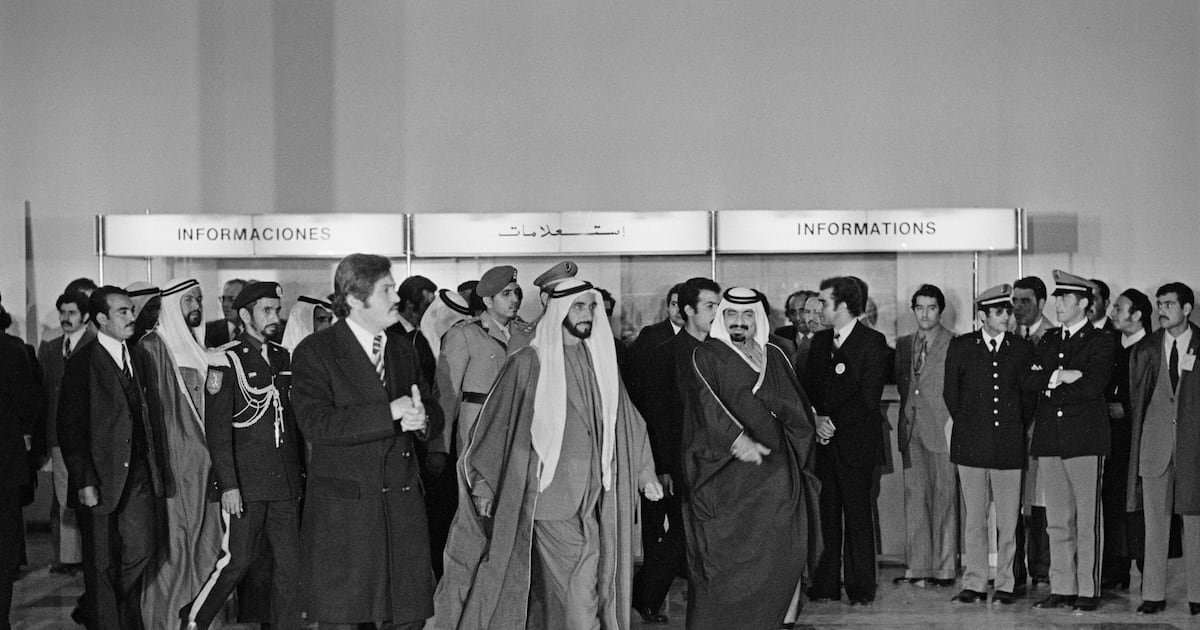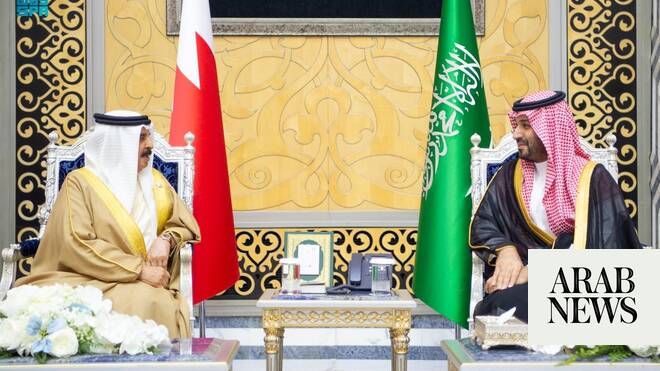

The Gulf Cooperation Council’s biennial Consultative Summit convened on Tuesday in Jeddah under the auspices of Saudi Crown Prince Mohammed bin Salman. The gathering—at a juncture when regional volatility is cresting—focused on aligning fiscal policy, security cooperation, and investment strategies across the six member states. The summit’s outcomes signal a continued drive towards greater economic integration that has the potential to unlock sovereign wealth assets and accelerate the construction of cross‑border infrastructure assets such as the Gulf Railway and multilateral energy‑water interconnection schemes.
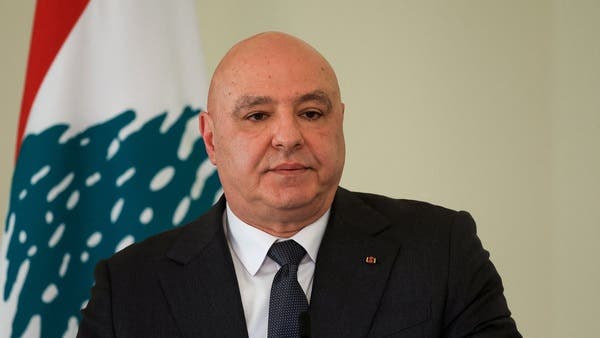
In a robust turn of events, the crown prince hosted the Gulf heads of state—Kuwait’s Crown Prince Sabah Al‑Khalid, Bahrain’s King Hamad, Qatar’s Emir Tamim, and UAE’s Deputy Prime Minister Sheikh Abdullah. The level‑one dialogue centered on countering Iranian aggression and safeguarding maritime trade flows through the Strait of Hormuz. By reaffirming collective self‑defence and demanding the restoration of navigation freedoms, the GCC signals to international investors that security risks are being addressed on the political front, thereby stabilising risk premiums for sovereign‑backed bonds and private‑equity projects across the region.
From a sovereign capital perspective, the summit underscored the imperative to mobilise and optimally deploy the pooled capital of GCC sovereign wealth funds. The leaders echoed commitments to funding the Gulf Railway and joint energy‑water pipelines, assets that promise significant returns through shared toll revenues and increased energy export capacity. Ministries of finance are already drafting revised capital‑markets frameworks to attract venture capital into high‑growth technology sectors, particularly digital infrastructure and fintech, which the council typified as critical to sustaining post‑oil growth trajectories.
Commercially, the current dialogue enhances cross‑border trade by prioritising an early‑warning missile‑deterrence system and integrated supply‑chain logistics. These measures cut operational risk for multinational corporations operating in the Gulf, thereby encouraging further foreign direct investment. The narrative suggests that a tighter security matrix, coupled with an aggressive infrastructure calendar, will reinforce investor confidence in the MENA region’s emerging‑market subsidy and technological landscapes, setting the stage for a new wave of private‑sector participation in sovereign‑led projects.