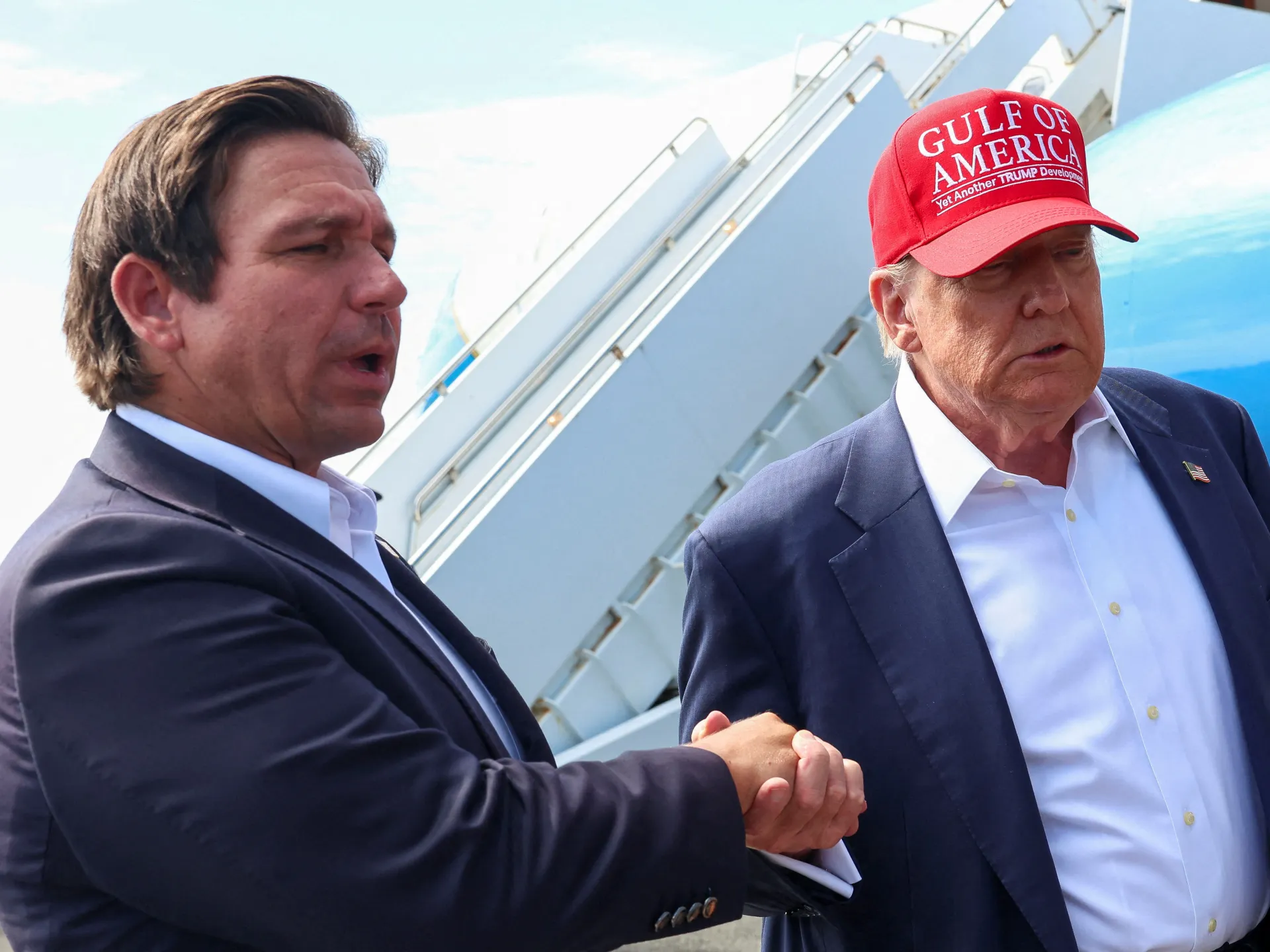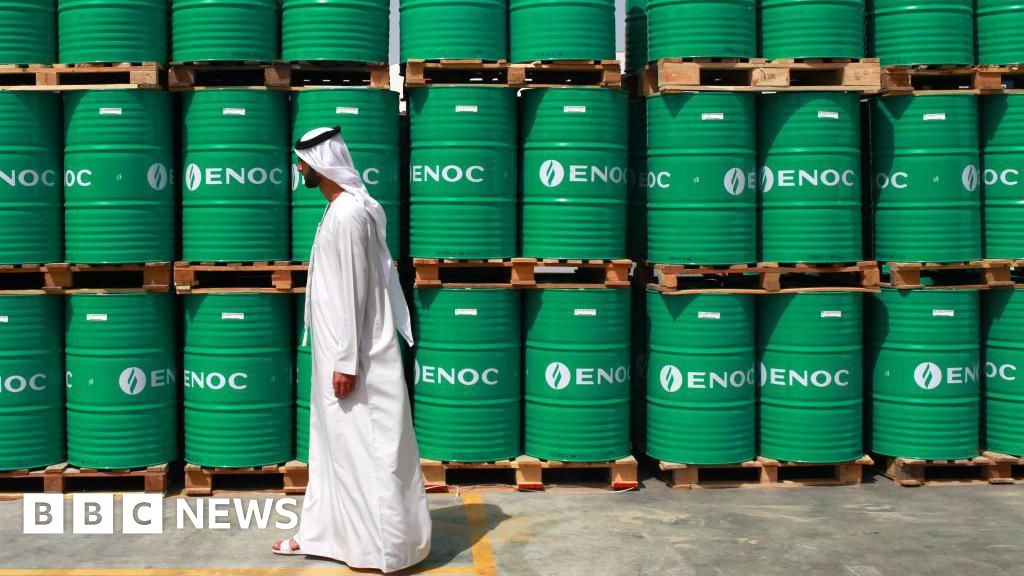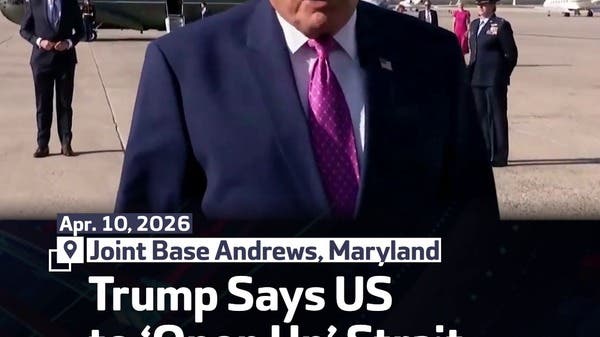

In a dispensation that could reshape capital flows into the Gulf and the Levant, President Donald J. Trump announced his intent to open the Bab‑Al‑Mandab south‑gate to the United Arab Emirates, Saudi Arabia and neighboring states after successful bilateral talks. The decision, which follows a series of high‑level consultations, signals a shift in U.S. maritime strategy that will have immediate implications for sovereign wealth funds, venture‑capital‑led technology clusters and trans‑regional infrastructure projects.
For regional sovereign capital, the new corridor promises expedited access to the high‑growth economies of Iraq and Pakistan, allowing the Emirates’ sovereign wealth fund and Saudi’ national investment corporation to redeploy capital from Middle Eastern asset classes toward faster‑maturing infrastructure projects, such as the East West Transport Corridor and the MENA‑Eran rail network. The expedited clearance through the strait reduces lead times on shipping by up to 24 percent, a figure that translates into immediate cost savings for the 30 billion‑dollar portfolio already earmarked for power, telecoms and urban transit development.
Venture‑capital ecosystems in the Gulf and Egypt alike stand to benefit from lower capital‑flow latency. With a shorter route to Rohingya‑origin banks in Myanmar and Myanmar‑drawn commodities such as artesian oil, several South‑East Asian fintech funds have begun to shift a portion of their equity into emerging‑market fintech incubators in Doha and Riyadh. The change in shipping dynamics will also expand the logistical footprint of regional logistics giants, creating new supply‑chain nodes that will attract venture‑capital investment in last‑mile delivery and autonomous vehicle platforms.
On the infrastructure front, the United States’ announcement comes at a pivotal time for the MENA‑Eran rail project, a $42 billion initiative whose feasibility relies on reliable freight corridors. By easing customs clearance and eliminating the need for risky intermediate stops, the U.S. departure point directly strengthens the economic viability of this venture. For the region, this move will not only catalyze the flow of capital from Western institutional investors but also legitimize the corridor as a backbone for rapid, cost‑effective trade. The ripple effect will force local governments to accelerate delivery of complementary infrastructure—ports, rail spurs, and intermodal hubs—arguably unlocking an extra $10‑12 billion of investment over the next decade.