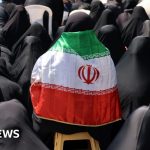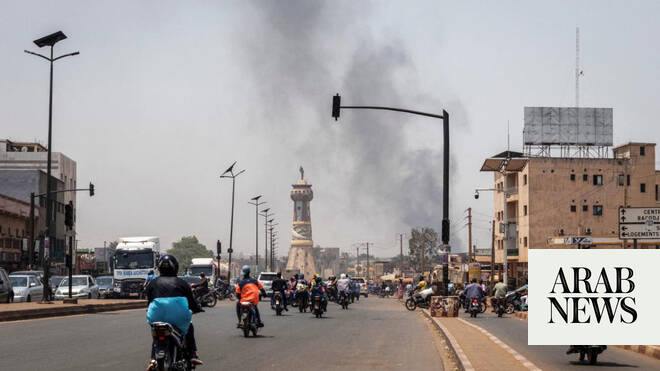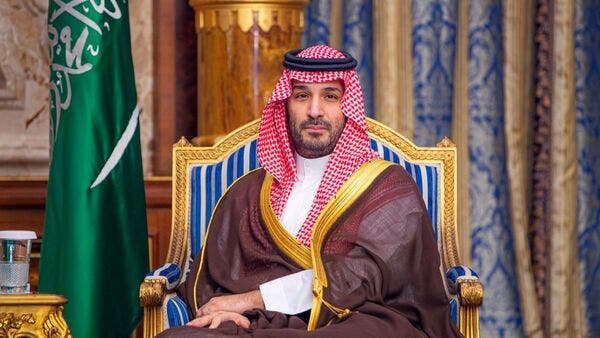

The escalation of hostilities that began on 28 February – pitting a U.S.–Israel coalition against Iran – has already strained Saudi Arabia’s fiscal balance sheet by an estimated 15 trillion won, according to sources cited by foreign media. A sharp contraction in oil exports following the closure of the Strait of Hormuz has slashed sovereign revenues, forcing the Kingdom to re‑prioritise its Vision 2030 agenda. Large‑scale IT‑infrastructure programmes, including the multi‑billion‑dollar smart‑city rollout, are now subordinated to immediate defence spending and post‑conflict reconstruction, a shift that threatens the pipeline of public‑sector contracts that underpins much of the region’s venture‑capital ecosystem.
South‑Korean digital giants Naver and Kakao, which had anchored their Middle East expansion on a “second boom” of Saudi urbanisation, now face an uncertain operating environment. Naver’s $100 million digital‑twin contract with the Ministry of Municipal, Rural Affairs and Housing – a project to deliver 3D models of Riyadh, Mecca and three other cities and to launch cloud‑based smart‑city services – is stalled as the company moved its Saudi subsidiary to a remote‑work setup after Iran broadened its strike envelope. Similarly, Kakao Mobility’s proof‑of‑concept for the Diriyah megaproject, signed in February, confronts a looming funding gap as sovereign investors adopt a more risk‑averse posture amid heightened geopolitical volatility.
For the broader venture‑capital landscape, the slowdown in sovereign grant‑making and delayed public‑sector procurement translates into a contraction of downstream financing. Fund managers that had earmarked significant allocations for Saudi‑based fintech, mobility and prop‑tech start‑ups must now reassess exposure, potentially diverting capital to more stable markets in the Gulf or to domestic ecosystems. The net effect could be a sharp reduction in the deal flow that has traditionally fed the Kingdom’s nascent tech cluster, impeding talent retention and the scaling of home‑grown solutions that complement foreign partners.
Even if hostilities cease, the fiscal recuperation path is likely to keep IT and smart‑city initiatives at the periphery of Saudi budgetary priorities for the medium term. Companies such as Naver and Kakao have signalled a willingness to maintain a long‑term foothold, but without a restored sovereign cash flow and a clear policy signal, their Saudi operations risk being relegated to a peripheral status, with ripple effects on regional infrastructure development and the overall attractiveness of the MENA market for foreign tech investors.