
The recent cessation of hostilities in the region, while a temporary respite, presents a pivotal juncture for the Middle East and North Africa (MENA) economic landscape. The opening of potential avenues for direct dialogue with the United States, a long-standing diplomatic goal, carries significant business implications. Greater stability, even temporary, fosters investor confidence, particularly crucial for sovereign capital deployments. This includes the potential for increased foreign direct investment (FDI) in sectors like energy, infrastructure, and technology, driving economic growth and facilitating regional integration. Moreover, a de-escalation of conflict mitigates the risks associated with geopolitical volatility, a persistent challenge hindering long-term investment decisions.
The impact extends beyond traditional sovereign capital. The confluence of burgeoning venture capital (VC) activity in the region and the renewed focus on stabilization creates a fertile ground for innovation. Investment in strategic sectors such as fintech, renewable energy, and digital infrastructure is poised to accelerate. The business case for these ventures strengthens with a more predictable operating environment. Furthermore, the truce can catalyze significant infrastructure development projects. A focus on connectivity, spurred by regional trade agreements and the growing demand for digital services, will unlock new markets and create jobs, bolstering long-term economic competitiveness. This includes initiatives in renewable energy, transportation networks, and digital connectivity, all critical for sustaining future growth.
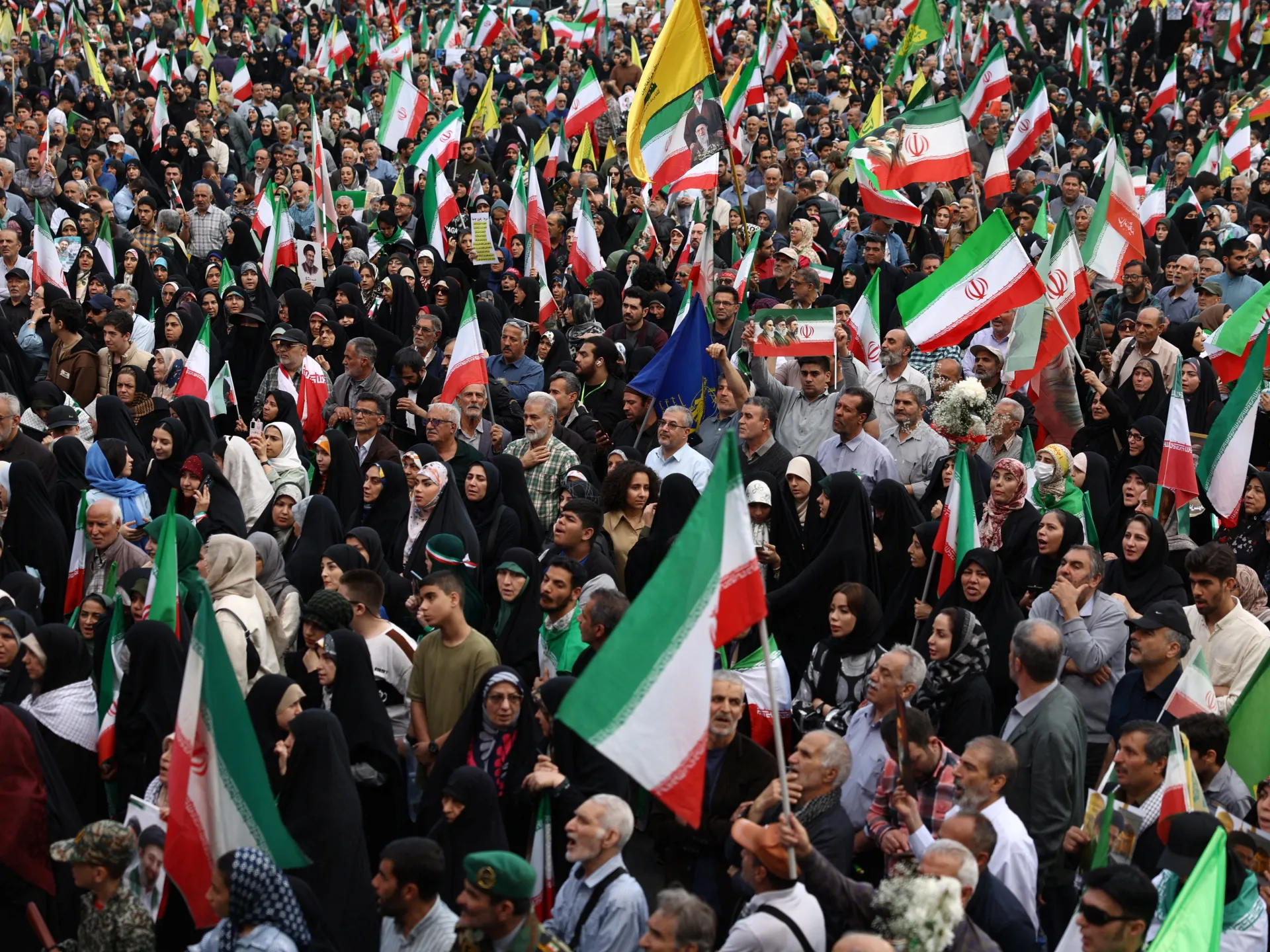
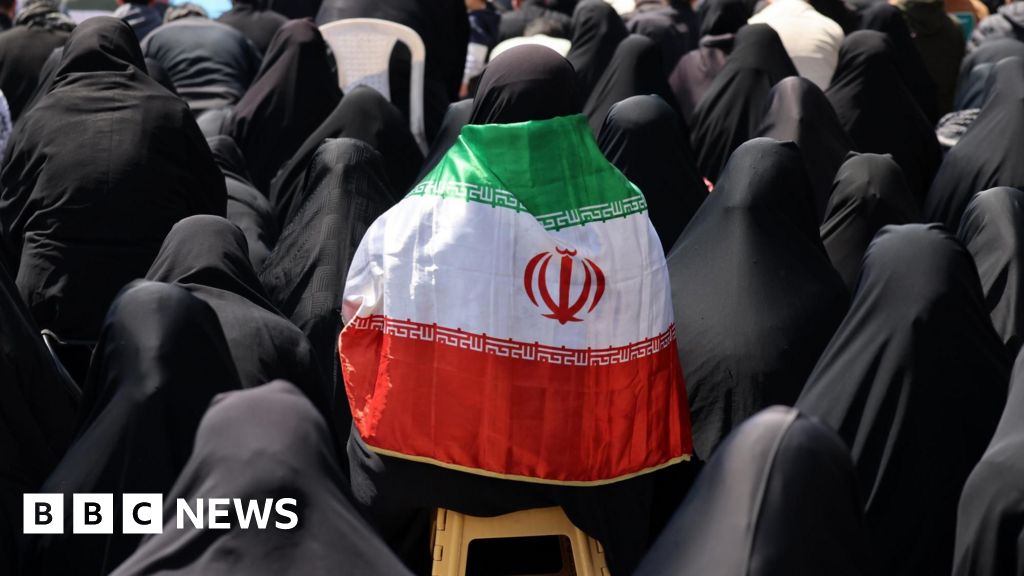
However, the potential benefits are not without caveats. The actions of Iran’s hardline factions following this truce warrant close monitoring. While the immediate disruption may alleviate some pressure, continued regional instability poses a sustained risk profile for both domestic and international investors. Sovereign wealth funds, mindful of diversification strategies, must carefully reassess their allocation policies in light of this evolving geopolitical context. The efficient deployment of venture capital requires clear regulatory frameworks and a supportive institutional environment. A lack of predictable policy and sustained investment in human capital will hinder the realization of the region’s full economic potential.
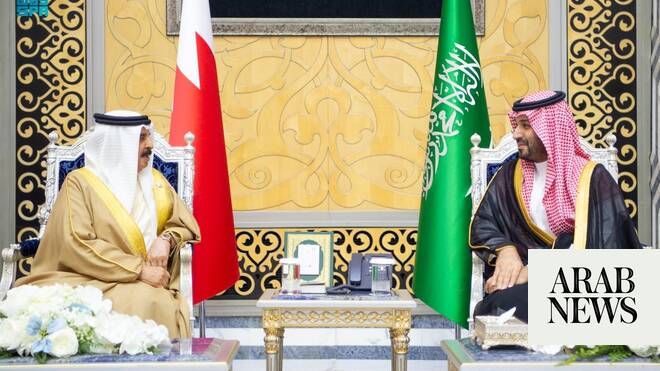
Ultimately, the success of this temporary truce in fostering a more stable and prosperous MENA region hinges on proactive policy implementation. Countries must prioritize infrastructure development, regulatory reforms, and fostering a conducive environment for both sovereign capital and venture capital. The strategic alignment between regional actors and the US, while challenging, represents an opportunity to unlock significant economic benefits. Close attention to geopolitical developments and robust risk management strategies will be essential for navigating the inherent uncertainties and ensuring sustainable economic growth within this critical region.