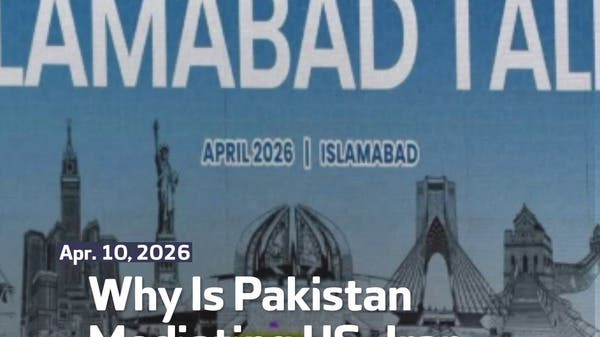

The United States has enlisted Islamabad as a facilitator in its pursuit of a comprehensive rapprochement with Tehran, marking a significant shift in the diplomatic calculus of the Gulf region. Islamabad’s mediator role stems from its historically nuanced relationship with both Washington and Iranian hardliners – a position that has allowed it to navigate the geopolitical fault lines without provoking domestic backlash or triggering a cascade of sanctions.
For the MENA region, the development carries palpable economic ramifications. An easing of Iran’s international isolation would lift a substantial portion of its sovereign debt burden and unlock access to billions of dollars in foreign investment that have been stymied by U.S. sanctions. Consequently, regional financial markets could witness a rebalancing of capital flows, with Riyadh, Doha, and Abu Dhabi exploring expansions in sovereign windfall funds and infrastructure financing that have traditionally excluded Tehran.
The startup ecosystem, already primed for disruption, stands to gain from a more stable regional environment. Venture capitalists are keenly monitoring the prospect of a U.S.-Iran détente, as it would broaden the talent pipeline and reduce exposure to political risk in Persian Gulf markets. In turn, this could spur the growth of cross-border technology incubators and spur joint venture initiatives in fintech, energy, and logistics that have hitherto been mired by diplomatic friction.
Infrastructure projects, too, are poised to benefit. The revival of Iran’s connectivity through projects such as the MENA‑Iran Belt‑and‑Road initiative would enhance trade corridors that link Europe, Africa, and Asia, reducing shipping times and costs across the entire region. As sovereign capital in the Gulf continues to be deployed into new infrastructure assets, a smoother relationship with Tehran would increasingly encourage joint investment vehicles, thereby reinforcing the economic integration of the Middle East and North Africa.