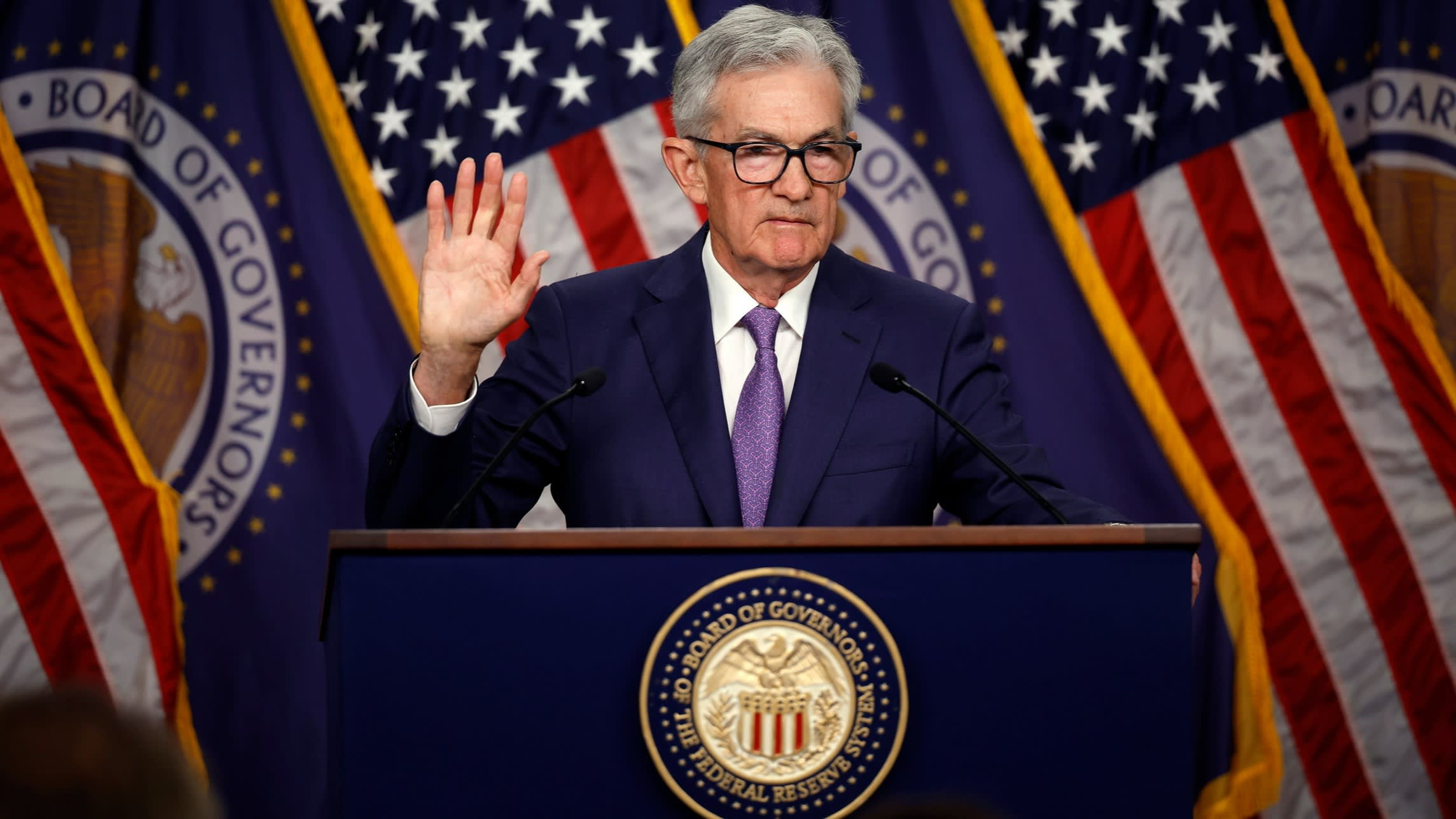

The anticipated transition of the Federal Reserve chairmanship to Kevin Warsh represents a significant, albeit initially subtle, shift in the global financial landscape with pronounced implications for the Middle East and North Africa. While the immediate focus remains on US monetary policy, the appointment of a former Fed governor known for his critical stance on Wall Street and a preference for greater financial regulation carries considerable weight. For the MENA region, heavily reliant on US dollar-denominated debt and subject to fluctuations in global capital flows, this change introduces a degree of uncertainty. Sovereign wealth funds, particularly those with significant holdings in US Treasury bonds, will undoubtedly be closely monitoring the Fed’s trajectory under Warsh, potentially adjusting their portfolios in response to evolving interest rate expectations and a possible recalibration of risk appetite.
The venture capital ecosystem within the region is also poised to react to this shift. Warsh’s background as a former Fed staffer, particularly his involvement in analyzing the 2008 financial crisis, suggests a renewed emphasis on systemic risk and regulatory oversight. This could translate into increased scrutiny of high-growth, often speculative, investments, particularly in fintech and digital asset sectors currently experiencing rapid expansion across the GCC. We anticipate a potential slowdown in the pace of investment in these areas, coupled with a greater demand for demonstrable regulatory compliance and robust risk management frameworks from both regional and international venture capital firms. Furthermore, the potential for tighter US financial conditions could dampen overall global investment, impacting the flow of capital into MENA’s burgeoning tech startups.
Crucially, the change in leadership underscores the growing importance of regional infrastructure development as a hedge against global economic volatility. Countries like Saudi Arabia and the UAE, actively pursuing diversification strategies and investing heavily in logistics, renewable energy, and digital infrastructure, are increasingly positioned to benefit from a more cautious global environment. The demand for resilient supply chains and localized production capabilities – a direct consequence of geopolitical instability and inflationary pressures – will likely accelerate these investments. However, the ability to effectively leverage these investments will depend on continued access to capital, and the evolving regulatory environment in the US will inevitably shape the terms and conditions of that access.
Finally, the appointment of Warsh necessitates a reassessment of the role of sovereign capital within the MENA region. As global liquidity potentially contracts, the ability of sovereign wealth funds to deploy capital effectively will be paramount. A more disciplined approach to investment, prioritizing long-term value creation and incorporating robust risk management practices, will be essential. The shift in the US central bank’s perspective could incentivize greater alignment between regional sovereign strategies and a more prudent, globally-aware investment philosophy, ultimately contributing to greater financial stability and sustainable growth across the MENA bloc.