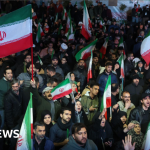

The recent agreement for a two-week ceasefire between Iran and Israel, while a temporary reprieve from escalating regional conflict, underscores a critical shift in the nature of modern conflict – one deeply intertwined with digital influence and sophisticated communication strategies. Beyond the immediate humanitarian implications and geopolitical realignment, the ongoing exchange of narratives, particularly through meticulously crafted digital content, presents significant business, sovereign capital, venture capital, and regional infrastructure implications for the Middle East and North Africa. Iran’s regime, despite enduring substantial military setbacks, has demonstrated a remarkable capacity to leverage online platforms to project an image of resilience and to actively contest the prevailing narrative shaped by its adversaries.
This digital skirmish has notable financial dimensions. The Islamic Revolutionary Guard Corps (IRGC), backed by potentially substantial sovereign capital, has reportedly invested in a network of digital natives adept at meme culture and rapid AI-generated content creation. This represents a form of strategic investment akin to venture capital, fueling a sophisticated propaganda apparatus. The effectiveness of this digital campaign, which includes mocking narratives targeting US President Trump and leveraging global conversations around issues like the Epstein files and anti-imperialism, has the potential to impact investor confidence and regional investment flows. A prolonged period of intense online engagement could further destabilize markets and necessitate increased risk assessment by international financial institutions.
Furthermore, the digital conflict subtly impacts regional infrastructure. The very act of disseminating large volumes of AI-generated video content necessitates robust internet infrastructure and considerable bandwidth. The Iranian regime’s ability to maintain a persistent and engaging online presence, even amidst military action, highlights the importance of resilient digital networks within the region. Sovereign investments in bolstering internet capacity and cybersecurity become increasingly crucial in a landscape where information warfare is a key component of broader geopolitical competition. This also extends to the potential for digital infrastructure to become a target in future conflicts, necessitating robust defense mechanisms and diversification of communication channels.
Ultimately, Iran’s sustained focus on online propaganda represents a strategic effort to influence domestic and international perceptions, counter military successes, and exert diplomatic pressure. The success of this approach, demonstrated by the continued circulation of memes and the framing of the ceasefire as an Iranian victory, carries significant implications for the regional power balance. As the conflict evolves, the battle for the digital narrative will likely remain a critical, and often underappreciated, dimension of the wider strategic landscape, impacting everything from sovereign wealth management to the future trajectory of regional infrastructure development.