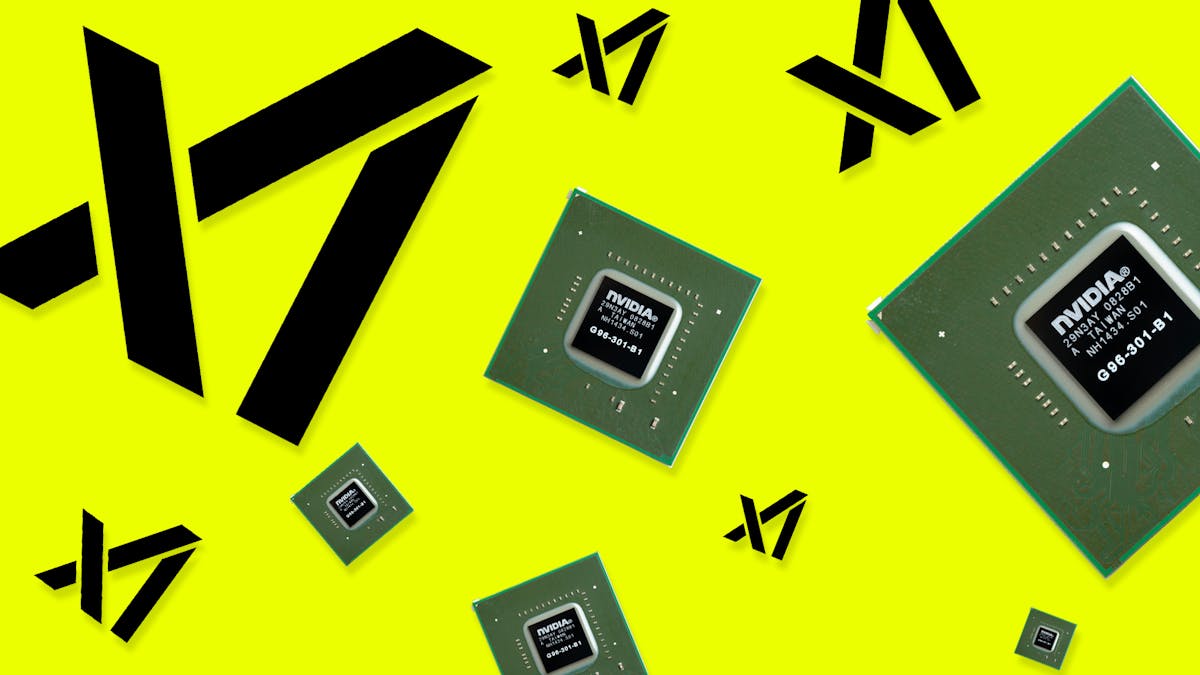

Intel’s expanded partnerships with Google and the TeraFab consortium, encompassing Tesla, SpaceX, and xAI, signal a pivotal consolidation of global semiconductor and AI infrastructure, with profound implications for MENA’s sovereign capital deployment and regional strategic investments. These alliances not only validate Intel’s foundry and AI compute architectures but also create opportunities for MENA sovereign wealth funds—such as Saudi Arabia’s Public Investment Fund and the UAE’s Mubadala—to allocate capital toward co-investment models in advanced chip manufacturing and data center ecosystems. The integration of Intel’s Xeon CPUs and custom IPUs within Google’s global cloud infrastructure, coupled with TeraFab’s focus on process technology for AI and robotics, underscores a strategic shift toward sovereign-backed domestication of critical tech capabilities in the region.
The agreements accelerate MENA’s nascent venture capital ecosystem, directing capital toward scalable digital infrastructure projects that require indigenous AI and semiconductor capabilities. Regional venture funds, increasingly targeting deep tech and hard infrastructure, are poised to collaborate with global partners like Intel to deploy NextGen data centers and processing hubs that align with MENA’s Vision 2030 and New Industrial Revolution programs. Simultaneously, these partnerships necessitate regional infrastructure upgrades, particularly in the Gulf Cooperation Council (GCC), where sovereign-backed investments in digital power grids and hyper-scale data centers must now incorporate Intel’s co-designed hardware to ensure competitive positioning in the global AI supply chain.
For MENA, the strategic imperative lies in leveraging sovereign capital and venture-driven innovation to localize advanced manufacturing and AI talent. Governments must forge public-private partnerships with Intel and its ecosystem partners to build foundry-ready industrial zones and upskilling programs, reducing dependence on external hardware supply chains. Failure to align with such alliances risks marginalizing the region’s ambition to become a data corridor between Asia, Europe, and Africa, while successful integration could position MENA as a hub for sovereign-controlled AI infrastructure and semiconductor research.