
Goldman Sachs Navigates Volatile Markets: A Mixed Bag for 2026
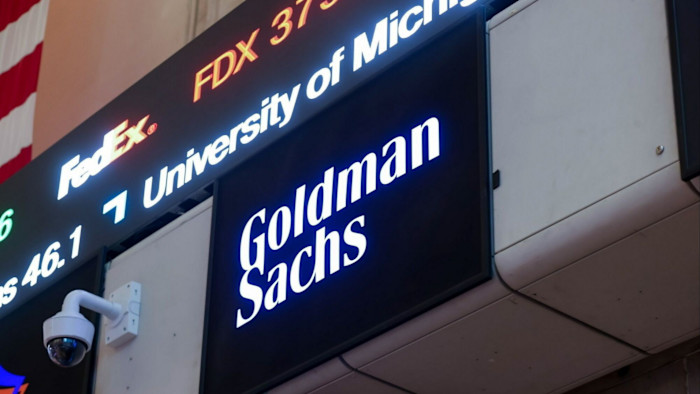
Goldman Sachs reported first-quarter results demonstrating resilience in the face of heightened geopolitical uncertainty, albeit with a notable dip in fixed income trading revenues. The investment bank achieved a net income of $5.6 billion, a 19% increase year-over-year, exceeding analyst expectations. This performance was primarily driven by robust equity trading revenues, surging 27% to $5.3 billion, fueled by significant market volatility spurred by ongoing conflicts in the Middle East and the Venezuelan military operation.
While the headline figure reflects overall strength, Goldman Sachs’ fixed income, currencies, and commodities (Ficc) division experienced a disappointing 10% revenue decline to $4 billion, falling short of the anticipated 10% increase. Analysts attribute this shortfall to lower-than-expected net revenues in interest rate products and mortgages. However, the bank partially mitigated this impact with gains from commodities and currencies trading. This outcome underscores the intricate interplay between geopolitical risks and traditional market dynamics, with the Middle East conflict and US shale production significantly influencing Ficc performance. The impact on sovereign capital markets in the MENA region remains a key consideration, with potential shifts in investor sentiment and asset allocation directly affecting related trading revenues.
The broader business portfolio exhibited encouraging trends. Investment banking fees surged nearly 50% to $2.8 billion, reflecting a strong pipeline of deals. Asset and wealth management revenues also rose by 10% to $4.1 billion, signaling a strategic pivot toward less cyclical business lines. These developments are critically important for Goldman Sachs’ long-term sustainability as the MENA region’s economic landscape adapts to a new era of increased deregulation and shifting investment priorities. The recent deregulation under US administrations presents opportunities for increased capital deployment across trading activities, particularly in areas like structured finance and commodity speculation, but also poses a risk of increased regulatory scrutiny and potential reputational damage.
Goldman Sachs’ capital position remains a point of concern, with the core equity tier one capital ratio falling to its lowest level since 2020. This decline mirrors broader trends in banking regulation and reflects a greater emphasis on lending. The bank’s capital deployment strategy included increased lending, particularly in trading and to high-net-worth clients, alongside shareholder returns through stock buybacks and dividends. The overall financial performance of Goldman Sachs highlights the complex challenges facing financial institutions in the MENA region, balancing the opportunities presented by geopolitical shifts with the need to maintain strong capital adequacy and navigate evolving regulatory environments. The bank’s long-term success will depend on its ability to capitalize on its strengths while effectively managing the risks inherent in a volatile and interconnected global market.