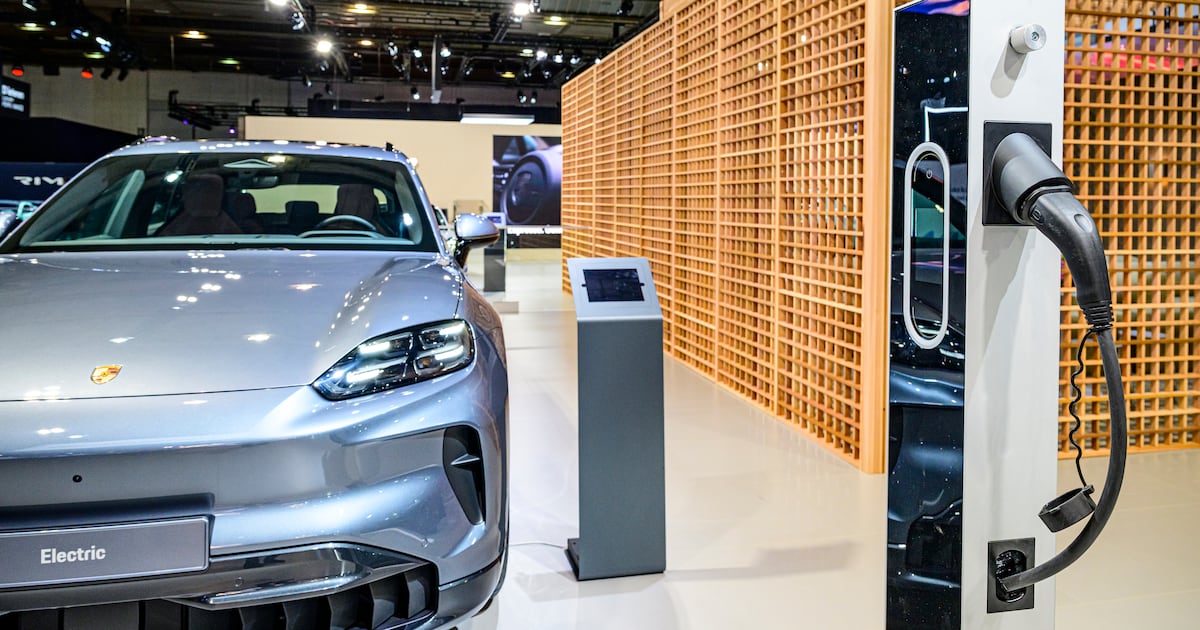

Manufacturers are reneging on previously aggressive electrification roadmaps, driven by a sustained plateau in BEV uptake across the Gulf and a recalibration of consumer incentives. The UAE’s 2025 new‑car market recorded a 3.4% share of pure‑electric sales, while PHEV volumes—largely powered by range‑extender models from Chinese OEMs—jumped from 200 to 1,100 units, underscoring a hybrid preference that mitigates range anxiety amid low‑cost gasoline. Consequently, global OEMs, from Ford to Mercedes‑Benz, are scaling back EV roll‑outs and refocusing on ICE and mild‑hybrid platforms, reshaping portfolio allocation and capital expenditure pipelines.
The strategic pull‑back reverberates through sovereign wealth vehicles that have earmarked multi‑billion‑dirham funds for EV‑centric infrastructure. Abu Dhabi’s Charge AD programme, targeting 1,000 chargers at 400 sites, and Dubai’s Dewa‑led rollout aimed at expanding charging points to 1,860 by year‑end, are financed largely through state‑backed budget allocations rather than private equity. This fiscal realignment reflects a shift from speculative venture capital bets to capital‑intensive public‑private projects that prioritize grid resilience and renewable integration, ensuring that sovereign balance sheets bear the bulk of charging network deployment costs.
Regional infrastructure implications extend beyond charger density; they necessitate accelerated investments in high‑capacity transmission, renewable generation, and smart‑grid technologies to support a diversified mobility mix. The Gulf’s emphasis on hybrid and PHEV adoption—spurred by cheap hydrocarbons and limited charging latency—creates a transitional market where sovereign funds can leverage captive demand to justify extensive pipeline projects while maintaining fiscal prudence. This dual‑track approach aligns with the 2050 net‑zero roadmaps of GCC states, positioning them as custodians of both energy transition and logistics backbone.
The convergence of tepid BEV demand, sovereign capital stewardship, and fast‑evolving charging ecosystems signals a pragmatic recalibration of the mobility narrative: premium EVs occupy niche, amenity‑rich environments, while mass‑market solutions gravitate toward hybrid architectures that balance range confidence with incremental decarbonisation. Institutional investors should therefore recalibrate exposure away from pure‑play EV manufacturers toward infrastructure enablers and hybrid‑focused OEMs, where the intersection of policy, sovereign funding, and regional logistics offers the most durable arbitrage opportunities.