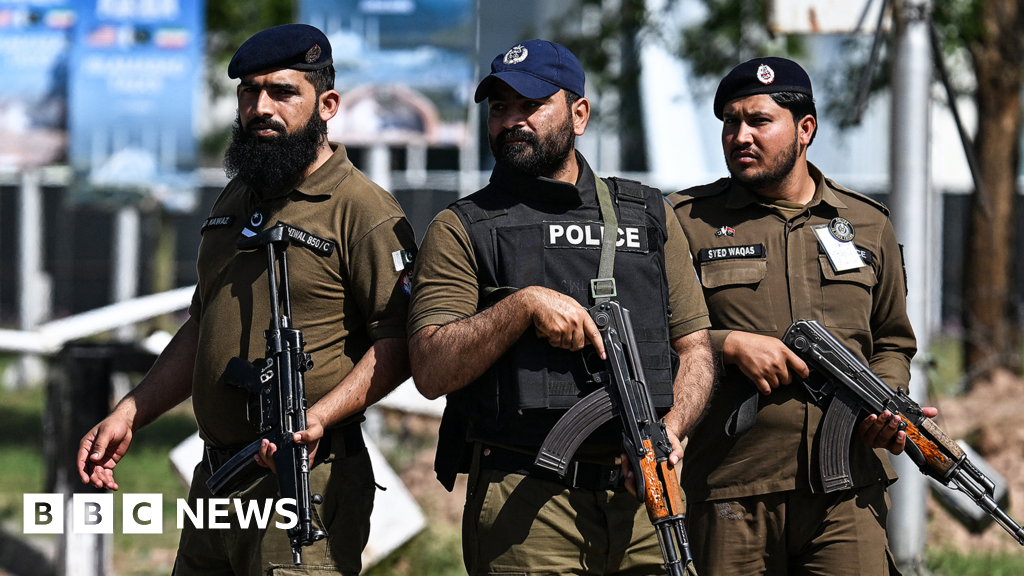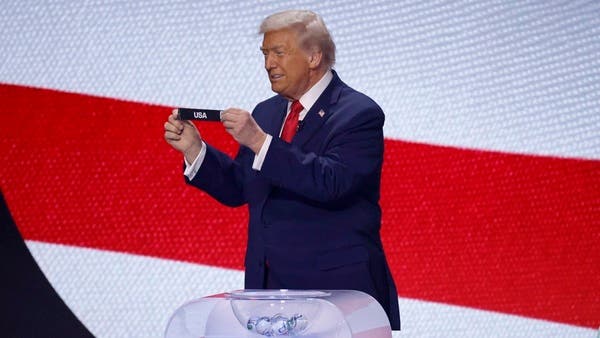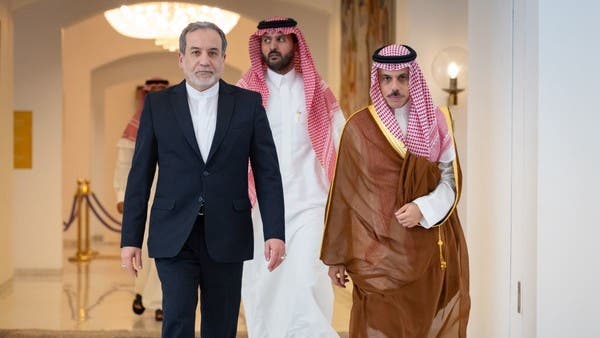

The recent telephone dialogue between Saudi Arabia’s Foreign Minister Prince Faisal bin Farhan and Iran’s Foreign Minister Abbas Araghchi has underscored the pivotal strategic considerations shaping the Middle East and North Africa (MENA) region. This high-stakes communication follows years of diplomatic stasis and underscores the strategic recalibration imperative for regional actors navigating a volatile landscape. The convergence of Iranian and American leadership in Islamabad signals a profound shift in the regional balance of power, with tangible implications for sovereign capital flows, sovereign wealth investments, and the long-term viability of peace negotiations on the Middle East peace table.
The significance of this call extends far beyond bilateral engagement; it reflects a broader recalibration of risk across sovereign capital markets. Investors globally are acutely attuning to the shifting geopolitical calculus in the region, where the possibility of renewed U.S.-Iran cooperation could catalyze a dramatic reassessment of strategic valuations. Such a development may reassure institutional investors and sovereign capital entities seeking stability in an environment marked by shifting alliances and the re-emergence of historic deterrence strategies. Moreover, the prospects of a renewed ceasefire following the ceasefire agreement between Israel and the United States hinge on the credibility and continuity of the diplomatic momentum initiated by this high-level exchange.
Beyond the immediate security calculus, the meeting marks a critical inflection point for venture capital deployments across the MENA corridor, particularly as regional entities reassess infrastructure investments in light of evolving geopolitical risk profiles. Investors will closely monitor how the stability of this corridor influences decisions on large-scale public-private partnerships in energy, technology, and digital infrastructure. The reverberations are not confined to financial markets; they shape the strategic positioning of the entire region as it contends for relevance in a rapidly transforming global order. In navigating these dynamics, only a sustained focus on institutional trust and resilient governance frameworks will ensure that the MENA region remains an indispensable pillar of global financial architecture.