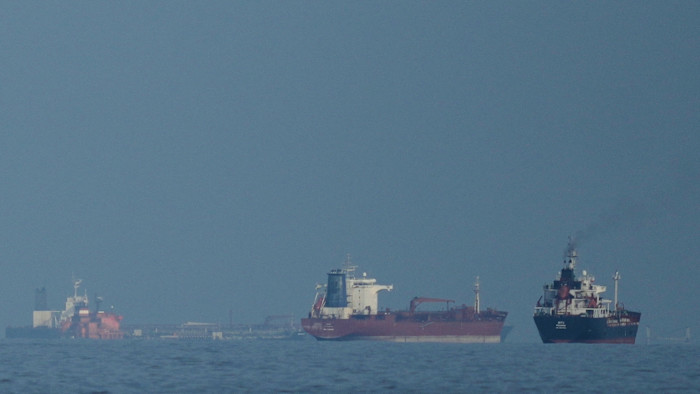

The cessation of oil shipments through the Strait of Hormuz has triggered an acute real‑asset shock that is rapidly spilling over into sovereign balance sheets across the MENA region. With the last pre‑war cargoes en route to Asia and Europe, governments that rely heavily on transit‑fee revenues—namely Saudi Arabia, the United Arab Emirates and Qatar—are confronting a sharp short‑term fiscal gap. Their sovereign wealth funds, which have traditionally cushioned budget volatility, are now being tapped to purchase spot crude and to fund strategic stock‑pile releases, a move that will compress net returns and pressure allocation decisions for downstream infrastructure projects. The International Energy Agency’s pledge of 400 million barrels of emergency reserves, while temporarily stabilising prices, also underscores the limited depth of regional liquidity buffers in the face of sustained supply disruptions.
For venture capital and private‑equity firms tracking the regional energy transition, the disruption rewrites the risk calculus. The surge in spot premiums—Forties Blend trading near $149 per barrel, well above Brent futures—has inflated the cost of feedstock for petrochemical complexes in Saudi Arabia’s downstream corridor and the UAE’s refining hub. Investors are now prioritising capital towards diversification assets such as green hydrogen, carbon‑capture platforms and renewable‑fuel projects that can mitigate exposure to volatile oil markets. Moreover, the heightened scramble for Atlantic‑basin crude by Asian refiners has opened a narrow window for MENA‑based logistics providers to capture ancillary revenues in freight forwarding, storage and tank‑farm services, prompting a shift in venture pipelines toward asset‑light, technology‑enabled supply‑chain solutions.
Infrastructure planners in the Gulf are facing a dual imperative: preserve the continuity of fuel supplies for domestic consumption while safeguarding export‑linked revenue streams. Governments are accelerating the construction of strategic oil‑storage capacities—Saudi Arabia’s new 5 million‑barrel terminal at Ras Tanura and Oman’s offshore floating storage units—to reduce reliance on the Hormuz chokepoint. Simultaneously, sovereign investors are earmarking funds for expanding pipeline networks that bypass the strait, such as the proposed Red Sea‑to‑Mediterranean oil corridor, which would dilute geopolitical exposure and reinforce the region’s role as a global energy hub. These projects, however, demand multi‑billion‑dollar capital commitments and will hinge on the ability of sovereign balance sheets to absorb higher financing costs amid a fragile macro‑environment.
In the broader MENA financial ecosystem, the oil‑supply crisis is amplifying credit risk for banks with heavy exposure to energy‑linked corporates. Ratings agencies have already flagged a potential downgrade for several regional lenders pending a protracted Hormuz closure. This scenario is likely to tighten financing conditions for both established oil majors and emerging clean‑energy startups, prompting a recalibration of loan‑to‑value ratios and covenant structures. Consequently, the next quarter will see a decisive reallocation of capital from traditional upstream ventures toward resilient, lower‑carbon infrastructure, reshaping the investment landscape across the Middle East and North Africa.