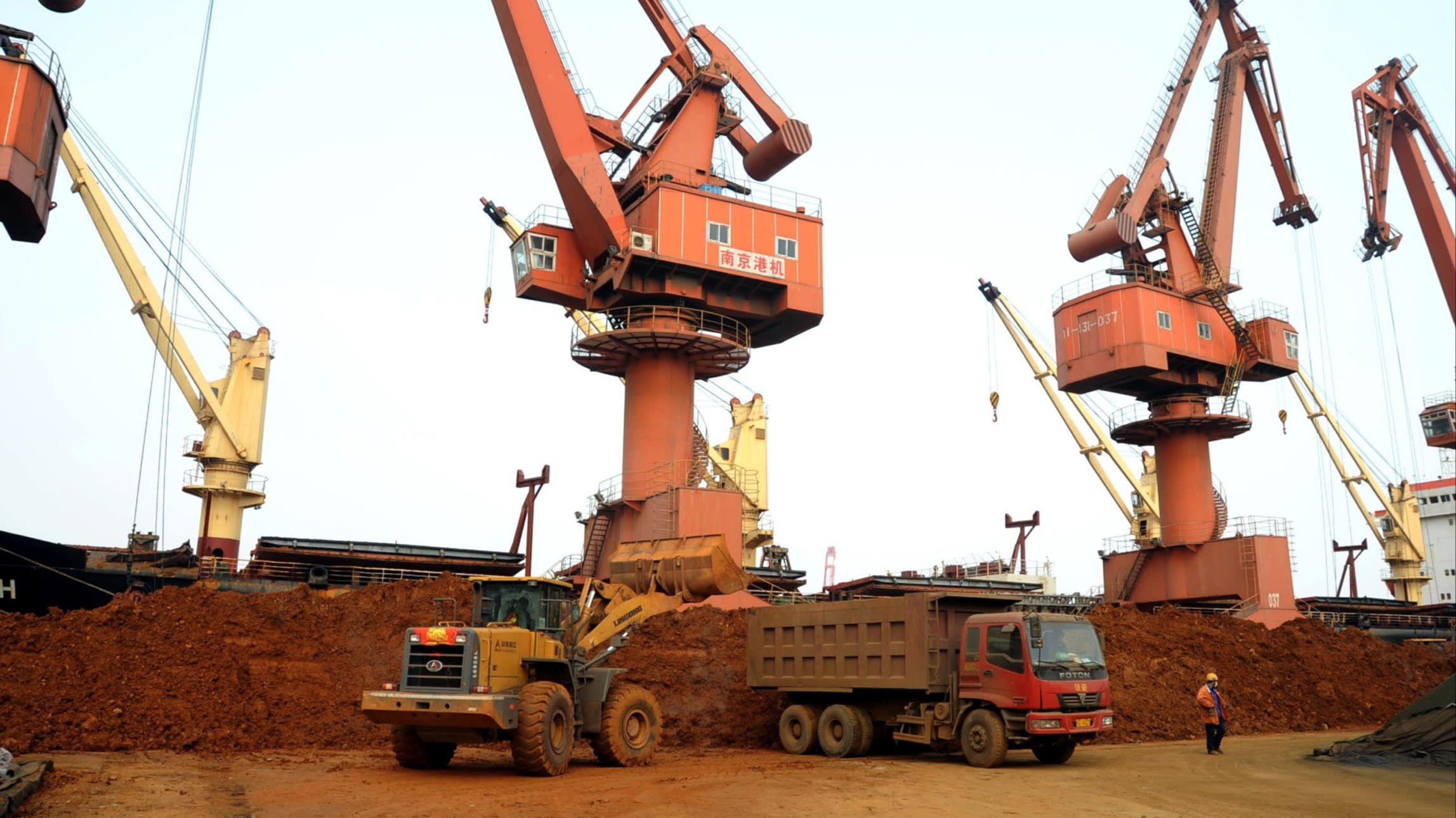

Beijing’s escalating export controls—tripling in number over the past five years—are reshaping the strategic calculus of Middle Eastern sovereign wealth funds and regional venture capital pools. With critical components for semiconductors, advanced materials and renewable‑energy equipment now subject to tighter licensing, Gulf investors are accelerating the localisation of supply chains to hedge geopolitical risk. The United Arab Emirates, Saudi Arabia and Qatar have collectively earmarked over $45 bn in sovereign capital for domestic chip‑fab projects, battery‑cell plants and fibre‑optic networks, signalling a decisive shift from passive import‑reliance to active value‑chain ownership.
For MENA‑based venture capital firms, the tightening of Chinese technology exports translates into a surge of deal flow in home‑grown alternatives. Start‑ups focused on silicon‑photovoltaic wafer production, AI‑edge processors and low‑cost EV battery chemistries are now attracting series‑A and -B rounds that would previously have been dominated by Chinese syndicates. Fund managers are recalibrating portfolio risk models to overweight “supply‑chain resilient” theses, a trend that is already inflating valuations by 20‑30 % in regional tech hubs such as Riyadh and Dubai Internet City.
The infrastructural ramifications extend beyond capital allocation. National development plans are being rewritten to incorporate indigenous research institutes, joint‑venture manufacturing zones and dedicated logistics corridors insulated from external embargoes. Saudi Arabia’s “Vision 2030” industrial corridor, for example, now integrates a “restricted‑technology buffer” that mandates a minimum 40 % local content for critical hardware, compelling joint‑ventures with European and Israeli partners to fill the gap left by curtailed Chinese supply.
In the longer term, the reshaping of global supply dynamics is likely to embed the MENA region more firmly into the emerging “de‑globalised” network of technology production. Sovereign investors are poised to become the principal financiers of this transition, while venture capital will underpin the innovation pipeline required to sustain it. The net effect is a more autonomous, albeit capital‑intensive, ecosystem that could mitigate Beijing’s leverage and reconfigure the Middle East’s role in the global tech value chain.