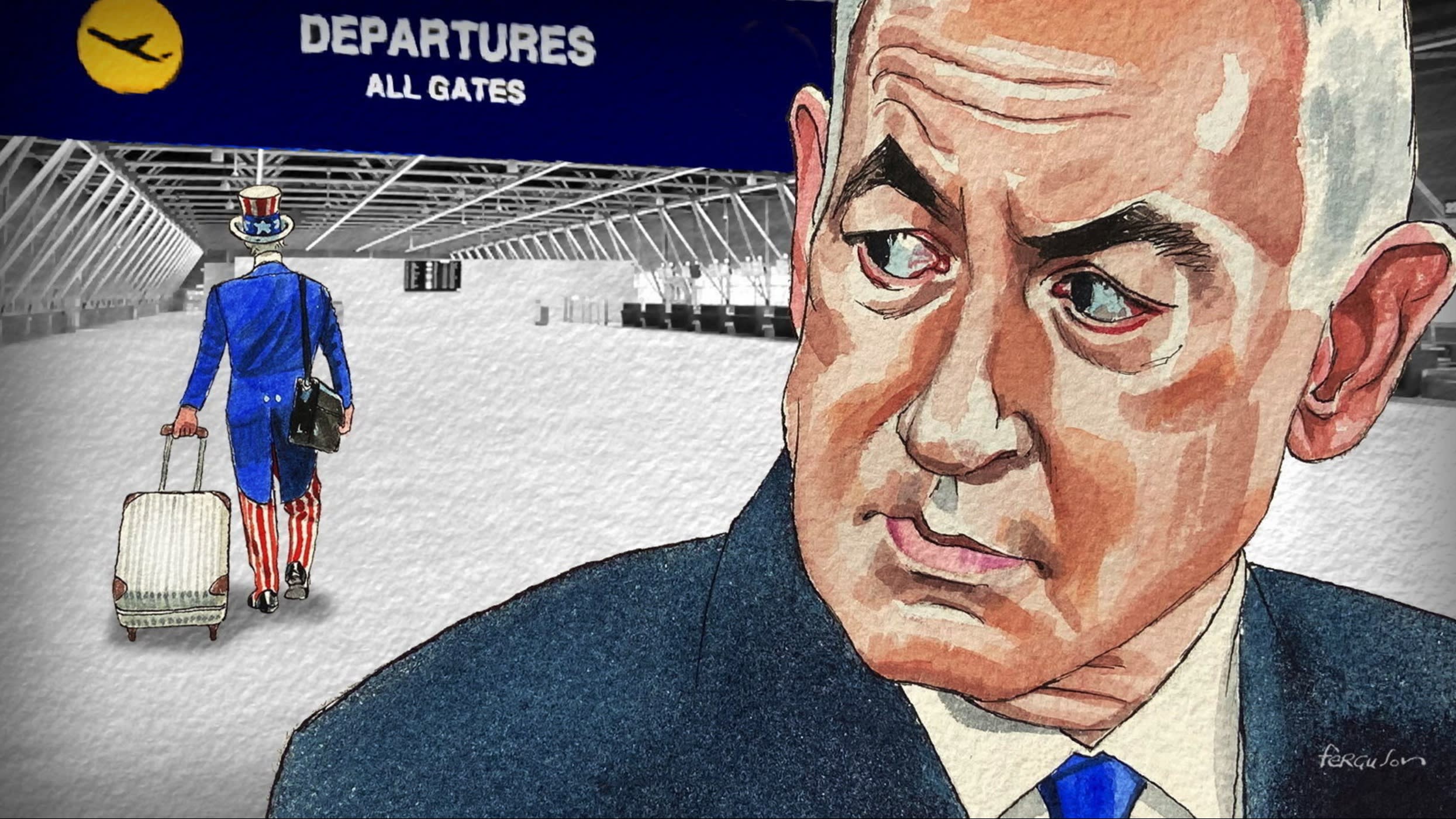

The deteriorating political stability surrounding Prime Minister Benjamin Netanyahu signals a critical inflection point for Israel’s macroeconomic outlook and its integration into the broader MENA financial architecture. For institutional investors and sovereign wealth funds (SWFs) across the Gulf, the shift in elite sentiment suggests an escalating risk premium on Israeli assets. The erosion of domestic consensus threatens the continuity of the Abraham Accords’ economic dividends, potentially stalling cross-border capital flows and delaying high-value sovereign investments in regional logistics and energy integration.
From a venture capital perspective, the political volatility introduces systemic instability into the “Startup Nation” ecosystem. Israel’s technology sector relies heavily on global talent acquisition and foreign direct investment (FDI); however, domestic governance crises often trigger capital flight or a strategic pivot by global LPs toward more stable regional hubs like Riyadh and Abu Dhabi. As the risk profile shifts, we anticipate a reallocation of VC dry powder away from Tel Aviv toward emerging GCC tech clusters, which are aggressively leveraging sovereign capital to build independent AI and semiconductor infrastructure.
Furthermore, the geopolitical friction stemming from this leadership crisis jeopardizes critical regional infrastructure projects. The ambition to establish a Middle Eastern corridors for trade and data transmission—linking India to Europe via the Gulf and Israel—requires a baseline of political predictability. A protracted governance vacuum in Jerusalem disrupts the diplomatic synchronization necessary for these multi-billion dollar initiatives, potentially forcing a reconfiguration of trade routes that could marginalize Israel’s role in the emerging transcontinental logistics framework.