
Strategic Alignment: Saudi Vision 2030 Fuels Emerging Investment in Azerbaijan’s Tourism and Infrastructure
The Kingdom of Saudi Arabia’s ambitious Vision 2030 diversification strategy is increasingly manifesting in tangible investment and strategic partnerships across the Middle East, and notably, with Azerbaijan. While initial direct investment from Azerbaijan into Saudi Arabia remains modest at $15.789 million in 2025 – representing a mere 0.6% of its overall foreign direct investment – this nascent collaboration signals a fundamental shift in economic priorities and a recognition of Azerbaijan’s critical geographic and developmental position. The move underscores a broader trend of sovereign wealth funds and state-backed entities seeking to deploy capital beyond traditional oil-related ventures, prioritizing sectors aligned with long-term growth and geopolitical influence.
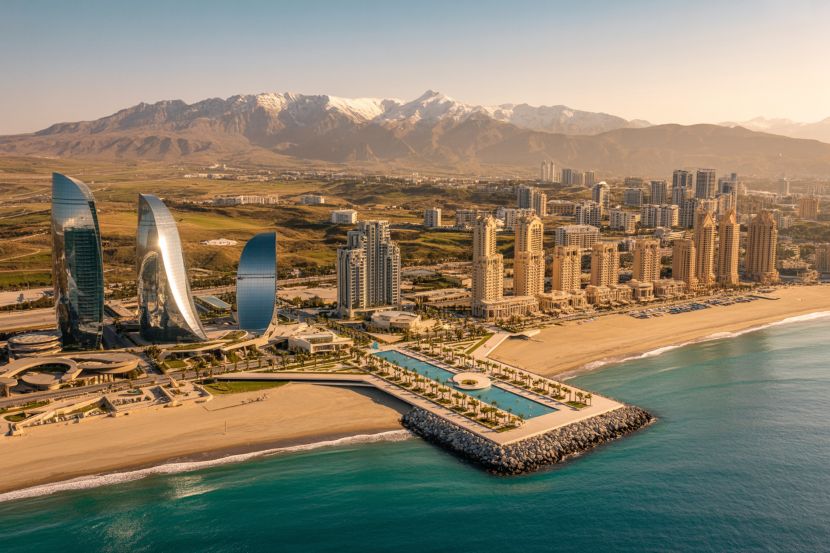
Azerbaijan’s strategic location along the emerging Middle Corridor – connecting China to Europe – coupled with its demonstrable progress in diversifying its economy beyond hydrocarbons, presents a compelling value proposition for Saudi Arabia. The Kingdom’s focus on tourism, infrastructure development, and green energy, central pillars of Vision 2030, are directly mirrored in Azerbaijan’s burgeoning initiatives. Specifically, the anticipated upgrades to Azerbaijan’s coastal and mountainous regions, driven by Saudi investment in hospitality and resort development, promise to unlock significant tourism potential. Furthermore, the country’s ongoing efforts to construct smart cities in newly liberated territories, particularly in Karabakh and Eastern Zangezur, align with Saudi Arabia’s interest in advanced urban technologies and sustainable development models. This bilateral relationship is not merely transactional; it’s predicated on a shared vision of regional connectivity and economic resilience.
The implications for the broader MENA region are substantial. Increased Saudi capital influx into Azerbaijan will catalyze significant infrastructure projects – including logistics hubs and commercial real estate – bolstering the country’s role as a key trade facilitator. This, in turn, will stimulate economic activity across the Caucasus and Central Asia. Crucially, the partnership’s emphasis on innovation, particularly in areas like artificial intelligence, cybersecurity, and fintech, will foster technological transfer and create opportunities for regional tech startups. Venture capital activity is likely to increase, with Saudi-backed funds targeting Azerbaijani companies focused on digital solutions and sustainable technologies. The potential for joint ventures in sectors such as smart tourism and industrial real estate represents a significant opportunity for attracting further foreign investment and driving economic growth across the region.
Looking ahead, the Saudi-Azerbaijani collaboration represents a microcosm of a wider trend – sovereign capital increasingly seeking to diversify investments beyond traditional assets. The success of this partnership will depend on navigating regulatory complexities and fostering a stable investment environment. However, the convergence of strategic interests, coupled with Azerbaijan’s unique geographic advantages and commitment to economic reform, positions this relationship as a cornerstone of regional economic development and a key driver of growth for both nations in the years to come.