
OpenAI’s acquihire of Hiro Finance represents a strategic pivot toward specialized fintech applications, signaling Silicon Valley’s growing confidence in AI-powered financial decision-making tools. This talent acquisition, particularly of Ethan Bloch—the serial entrepreneur behind the successful neobank Digit sold for $200 million—positions OpenAI to challenge financial planning incumbents while reinforcing the convergence of artificial intelligence and wealth management. The Middle East and North African region, with its rapidly digitizing financial sectors, stands to benefit as this likely accelerates broader industry adoption of AI-driven financial modeling in both consumer and enterprise markets.
The MENA venture capital ecosystem, bolstered by over $7 billion in tech funding during 2023 alone, will keenly observe how established global players leverage specialized fintech expertise. Regional venture capital firms have increasingly focused on AI applications in finance, viewing them as crucial components of post-oil economic diversification strategies. As OpenAI integrates Hiro’s mathematical precision capabilities into its offerings, venture capitalists in MENA will reassess portfolio strategies to capture similar value creation opportunities in local fintech markets, particularly in the Gulf Cooperation Council states and Egypt, where digital transformation initiatives are most advanced.
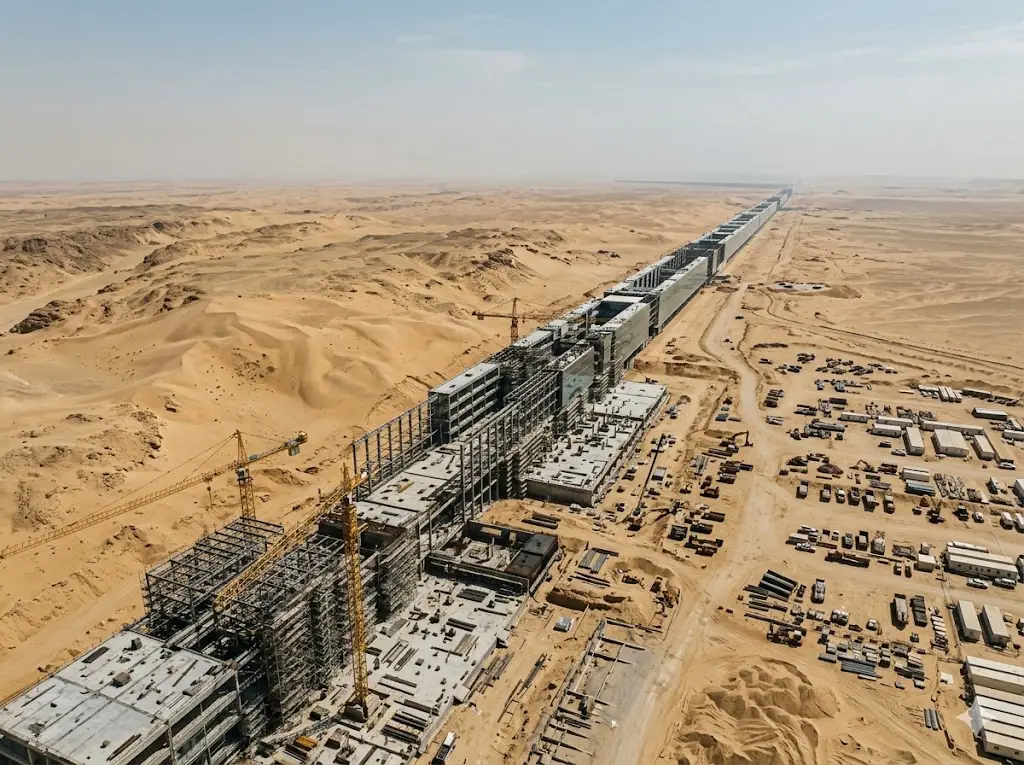
Sovereign capital in the MENA region, anchored by over $3.5 trillion in combined assets under management by Gulf Cooperation Council sovereign wealth funds, continues to exhibit strong interest in technology investments that align with national vision programs. The Hiro acquisition validates investment theses pursued by entities such as Saudi Aramex’s ventures arm, ADQ, and Mubadala Technology, all of which have actively sought opportunities in the fintech-AI convergence space. This development may accelerate capital deployment into regional AI centers and financial infrastructure projects, particularly in the UAE’s Abu Dhabi Global Market and Saudi Arabia’s NEOM tech hub, which have positioned themselves as destinations for cutting-edge financial technology development.
The regional implications extend beyond investment into infrastructure development, as MENA countries intensify efforts to build regulatory frameworks for AI in financial services. With governmental initiatives like Saudi Arabia’s National Strategy for Data and Artificial Intelligence and UAE’s Emirates AI Strategy emphasizing economic diversification through technology, this acquisition underscores the growing importance of computational precision in fintech. MENA regulators will need to balance innovation with consumer protection, particularly as AI-powered financial planning tools require robust governance mechanisms that respect regional financial standards while enabling the digital transformation pathways essential for sustainable economic growth in the post-hydrocarbon era.