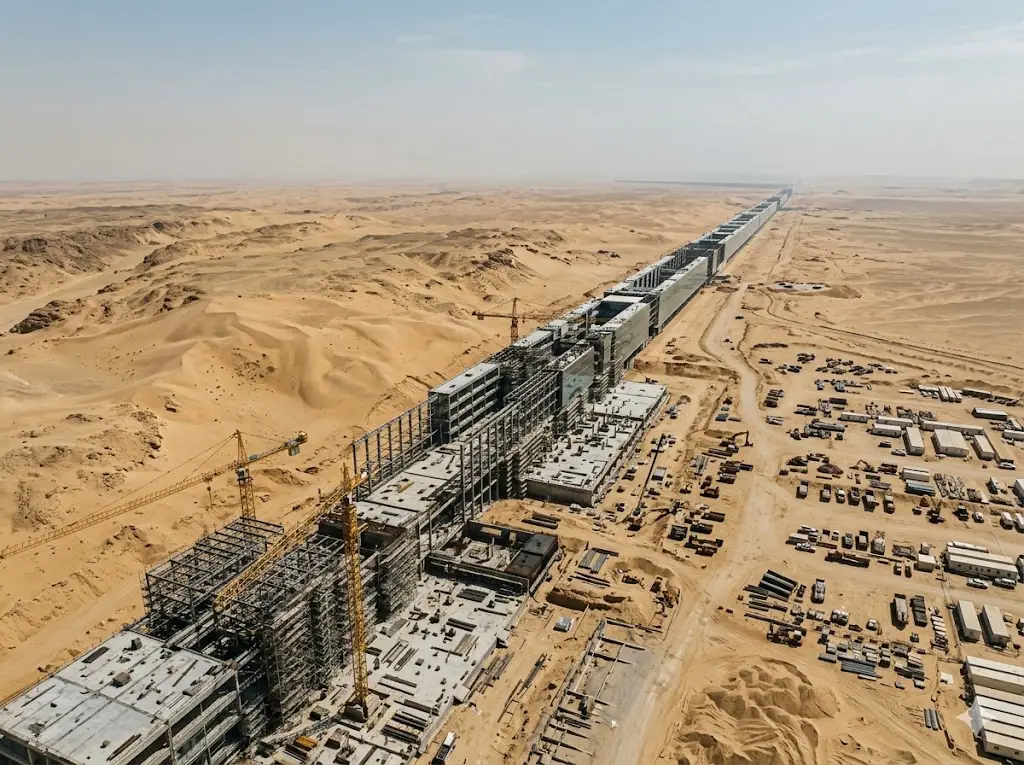

Thestrategic recalibration of Saudi Arabia’s tourism ambitions under Vision 2030 represents a seismic shift in sovereign capital allocation, signaling a move from speculative infrastructure spending to a more pragmatic, event-driven model. By decoupling NEOM from immediate tourism goals and prioritizing high-visibility events like Expo 2030 and the FIFA World Cup 2034, the Public Investment Fund (PIF) is realigning sovereign capital toward projects with clearer revenue pathways and measurable economic returns. This pivot reflects a recognition that earlier investments, such as the $5 billion loss-making LIV Golf and overly ambitious timelines for The Line, were misaligned with market realities. The rewrite underscores a broader MENA regional trend where sovereign funds are increasingly demanding accountability and operational efficiency, forcing entities to deprioritize bets with opaque ROI. For venture capital, this recalibration could unlock opportunities in hybrid financing models, as seen in Amaala’s reliance on external debt, or in enabling private-sector participation in tourism infrastructure—a shift that may attract international investors wary of sovereign overreach.
The implications for regional infrastructure are profound, particularly as Saudi Arabia pivots to leveraging existing demand rather than building speculative supply. The focus on networked destinations and yield optimization reduces the likelihood of overcapacity in transportation, hospitality, and digital platforms—key pain points in MENA’s tourism ecosystem. Meanwhile, the decoupling of NEOM as a standalone pillar suggests that while futuristic megaprojects may retain strategic value, their economic viability is now tied to independent gauges of success. This restructuring could catalyze rethinking in Gulf states about how regional infrastructure investments are framed: prioritizing connectivity to global events over isolated, tech-centric hubs. For venture capital, the emphasis on experiential tourism and culturally hybrid offerings might stimulate investment in digital platforms that scale without heavy capital expenditure, particularly in regions where sovereign-backed debt models are losing appeal.
The business impact of this strategy extends beyond Saudi Arabia, setting a precedent for MENA’s approach to sovereign-driven economic diversification. By capping excessive capital expenditure and emphasizing tourism’s contribution to domestic growth—evidenced by the 5% year-on-year visitor increase—the Kingdom is demonstrating that sustainable tourism need not rely on grandiose projects. This could encourage Gulf states to adopt more disciplined fiscal strategies, potentially stabilizing regional markets vulnerable to overleveraging in unproven ventures. However, the reliance on events like Expo 2030 and the World Cup introduces new risks, particularly around geopolitical shifts or logistical challenges. For investors, the key takeaway is that the region’s future lies in balancing sovereign capital with private-sector agility, a dynamic that could redefine venture capital’s role in shaping MENA’s next economic frontier. The success of this model will hinge on whether other Gulf economies emulate this shift or double down on high-risk, high-reward infrastructure bets.)