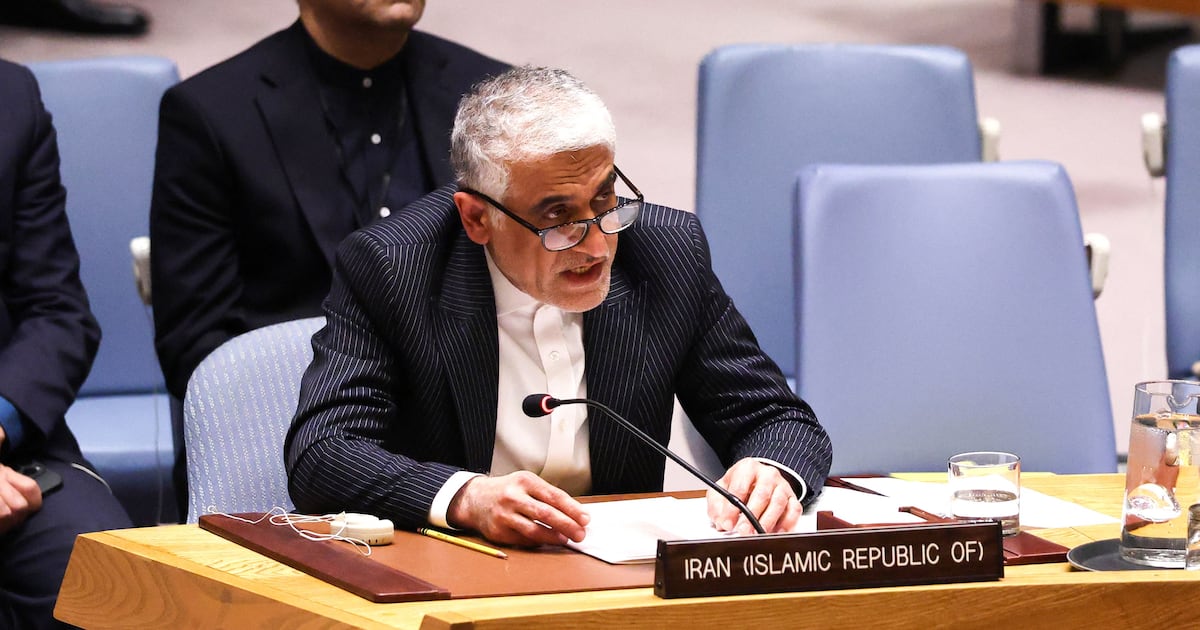

The recent diplomatic developments involving Iran highlight a paradigm shift in the regional financial and geopolitical landscape. Iran’s assertion of accountability, particularly through legal channels like the UN Security Council and international statements, underscores the deepening rift with Gulf Cooperation Council members. This escalation is not merely symbolic; it carries tangible business consequences, particularly concerning sovereign capital flows, venture capital investment, and cross-border infrastructure projects that depend on stable regional cooperation. As the Middle East and North Africa region recalibrates in response, the implications for investor confidence and long-term economic planning are profound.
The demand for compensation from Gulf states encapsulates a broader contest over influence and security, with financial institutions facing mounting pressure to reassess exposure in volatile markets. This legal and political confrontation reverberates through capital markets, prompting venture capital firms to reassess risk profiles, particularly in sectors reliant on diplomatic stability such as energy, technology, and logistics. The involvement of sovereign capital in determining the trajectory of investment decisions has never been more pronounced; as regional tensions crystallize, both public and private entities are compelled to navigate an environment where economic activity is inextricably linked to security and legal compliance.
Furthermore, the implications for regional infrastructure are significant. Projects demanding cross-border collaboration—such as integrated energy grids, transportation corridors, and digital platforms—are now subject to heightened political scrutiny. The ripple effects extend beyond mere bilateral relationships, influencing the strategic planning of multinational firms eager to establish footholds in this strategically vital region. In this evolving arena, the Middle East and North Africa must harness the opportunities presented by a redefined balance of power while mitigating the fallout from these high-stakes diplomatic maneuvers.
A keen understanding of these dynamics is critical for market participants seeking to navigate a region undergoing fundamental transformation. Only by embedding strategic foresight and institutional resilience into their frameworks can regional stakeholders anticipate and capitalize on the structural shifts reshaping the MENA landscape.