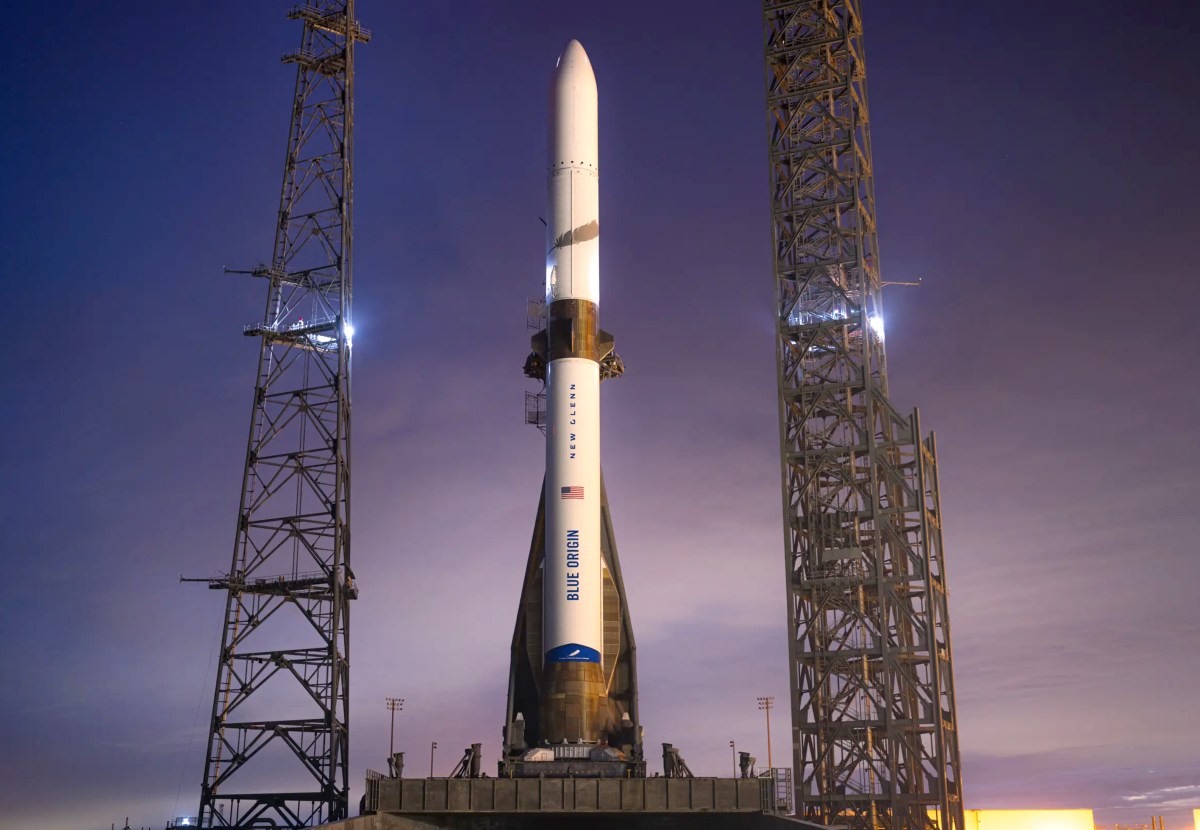

Blue Origin’s failure to successfully deploy a communications satellite for AST SpaceMobile underscores critical vulnerabilities in its ambitious plans to capture a larger share of the global space economy, with ripple effects likely to resonate across the Middle East and North Africa (MENA) region. The grounding of New Glenn until the FAA investigation concludes delays its qualification for national security missions and risks eroding confidence among MENA states increasingly drawn to private-sector space capabilities. Countries like the UAE and Saudi Arabia, which have aggressively pursued sovereign space initiatives—from satellite megaconstellations to lunar exploration—invest in providers like Blue Origin for their innovation and reusability advancements. However, this mishap weakens Blue Origin’s competitive edge over entrenched players like SpaceX, which has already secured partnerships with Gulf tech ecosystems. A prolonged FAA review could delay Blue Origin’s Space Force certification, diverting MENA-focused missions to alternative providers and complicating regional satellite deployment strategies reliant on timely orbital insertions.
The financial fallout extends to sovereign and venture capital stakeholders investment in Blue Origin’s ecosystem. MENA sovereign wealth funds, such as Saudi Arabia’s Public Investment Fund, have signaled interest in space-tech startups through programs like the Saudi Space Authority’s grants, often aligning with U.S. firms to access cutting-edge launches. Blue Origin’s setbacks risk dampening investor enthusiasm, particularly as the region’s venture capital community prioritizes scalability and reliability. For instance, startups in satellite-based services or AI-driven geospatial analytics may pivot to backup providers to avoid mission delays, dampening Blue Origin’s status as a “preferred partner” in MENA’s nascent space economy. Additionally, the FAA’s scrutiny could intensify regulatory pressure on MENA-based firms seeking U.S. launch certifications, as U.S. authorities signal stricter oversight of global launch providers.
Infrastructure implications are equally profound, as MENA nations accelerate investments in ground networks to support regional space ecosystems. UAE’s Thoth Station and Saudi Arabia’s Jubail Spaceport, for example, aim to facilitate satellite deployment and launch-customer services. Blue Origin’s technical inconsistencies threaten the reliability of orbital slots reserved by these infrastructures, forcing planners to hedge bets by engaging with secondary providers. This could accelerate diversification in regional space infrastructure partnerships, with Gulf states deepening ties to European or Asian firms to mitigate risks tied to U.S. commercial rocket performance. Meanwhile, the loss of AST SpaceMobile’s satellite—despite insurance coverage—highlights the precarious economics of MENA-focused space ventures, where insurance payouts often fail to offset strategic losses, such as delayed IoT constellation rollouts critical for energy or agritech applications.