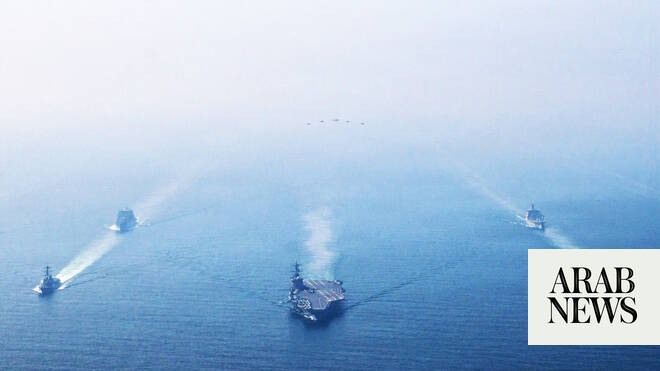

The latest developments in the MENA region underscore a profound recalibration of strategic calculus, particularly for sovereign capitals and external investors awaiting clarity. Recent moves, including the escalating naval posture in the Strait of Hormuz, signal a hardened approach to securing vital sea lanes amid mounting regional uncertainties. This evolving dynamic has tangible repercussions for sovereign capital bases that rely on predictable maritime routes and for venture capital flows directed toward energy infrastructure. The US decision to bolster its naval presence, now integrated with formidable assets such as the USS Gerald R. Ford and the USS Abraham Lincoln, reaffirms Washington’s resolve to enforce maritime security through kinetic deterrence, while simultaneously alerting markets to the intensification of geopolitical risks.
Analyzing the strategic and financial contours, the imposition of the blockade exemplifies the US’s calculated use of military leverage to compel compliance, a tactic grounded in decades of operational experience. This action not only disrupts Iranian export capabilities but also reverberates through regional trade flows, reshaping infrastructure planning and financing cycles. Central bankers and sovereign wealth fund managers must now grapple with heightened uncertainty, as capital allocations shift in response to heightened perceptions of risk and the uncertainty surrounding sanctions enforcement. In this high-stakes environment, the interplay between state power, private equity, and regional development is becoming increasingly entwined, demanding astute navigation across a volatile landscape.
The broader business impact cannot be overstated: the viability of large-scale maritime projects and regional economic corridors now hinges not only on strategic alliances but also on the assurance of secure passage. Financial stakeholders must remain vigilant, as the interplay of sovereign action, sovereign capital flows, and the protection of vulnerable shipping lanes will define the trajectory of growth and stability across the Middle East and North Africa for the foreseeable future.