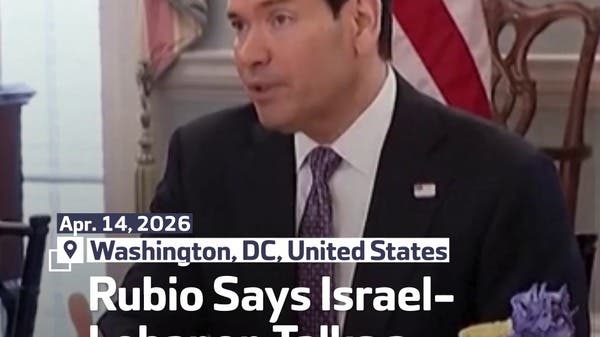

Recent reports of renewed diplomatic efforts between Israel and Lebanon, spearheaded by U.S. Special Envoy Amos Saiful Rubio, represent a potentially transformative development for the broader Middle East, carrying significant implications for regional stability, sovereign capital flows, and the burgeoning technology sector. While the immediate focus remains on a cessation of hostilities and a potential maritime border agreement, the underlying shift in strategic alignment between Israel and Lebanon – facilitated by U.S. mediation – necessitates a reassessment of investment strategies across the MENA region. The prospect of normalized relations, however fragile, unlocks possibilities for increased trade, energy cooperation, and crucially, reduced geopolitical risk, a factor historically dampening substantial foreign direct investment.
The venture capital landscape in the region stands to be particularly affected. Previously, concerns regarding regional instability, particularly the Israeli-Palestinian conflict and broader sectarian tensions, had channeled significant capital towards more secure, Western-aligned markets. A de-escalation in Lebanon, coupled with a potential normalization process, could trigger a renewed wave of investment into the country’s nascent tech ecosystem – currently hampered by economic crisis and security challenges. Furthermore, increased regional stability will likely encourage sovereign wealth funds, notably those in Saudi Arabia, the UAE, and Qatar, to re-evaluate their portfolios and potentially redirect capital towards MENA-based ventures, particularly those with exposure to sectors benefiting from improved connectivity and trade, such as fintech and digital infrastructure. The potential for increased sovereign capital deployment is contingent, however, on sustained progress in the negotiations and a demonstrable commitment to long-term stability.
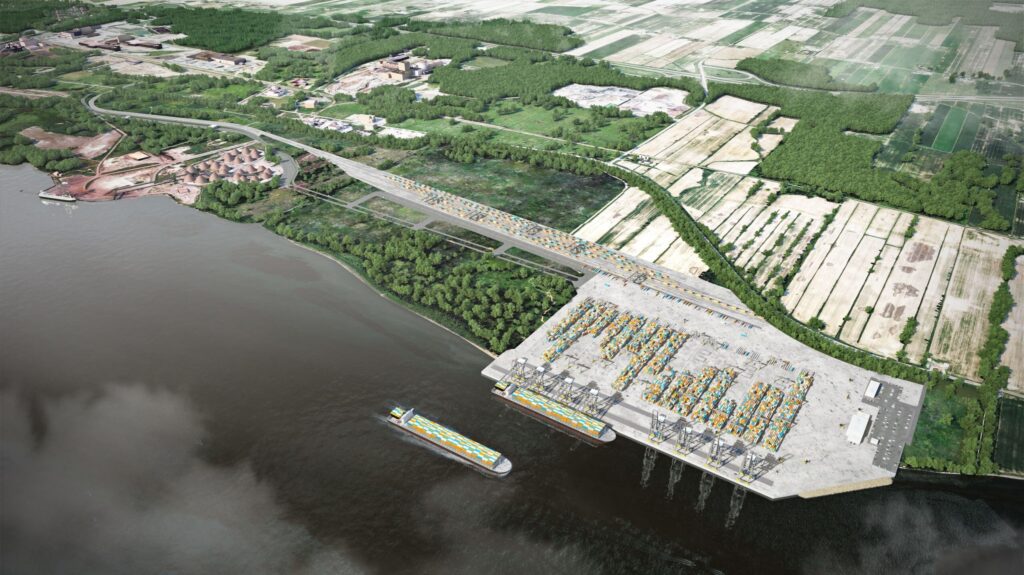
Beyond direct investment, the infrastructure implications are considerable. A lasting peace agreement could catalyze substantial upgrades to transportation networks – specifically, the development of maritime routes and land corridors – vital for facilitating trade between Israel, Lebanon, and wider regional partners. This, in turn, will necessitate significant investment in port facilities, logistics, and telecommunications, creating opportunities for both regional and international infrastructure firms. Moreover, the prospect of reduced military spending, a likely outcome of a negotiated settlement, could free up resources for public sector investment in education, healthcare, and sustainable development, areas currently constrained by economic hardship. Careful consideration must be given to ensuring that any infrastructure projects are aligned with long-term economic diversification strategies, moving beyond reliance on hydrocarbon exports.
Ultimately, the success of the Israeli-Lebanon talks hinges on more than just a ceasefire. Sustained progress requires a broader regional framework predicated on genuine dialogue and mutual security guarantees. While the current diplomatic momentum is encouraging, the long-term impact on the MENA region’s economic trajectory will depend on the durability of any agreements reached and the willingness of regional actors to embrace a more cooperative and integrated approach. Continued monitoring of the negotiations, alongside a nuanced assessment of geopolitical risks and investment opportunities, remains paramount for institutional investors navigating this complex and evolving landscape.