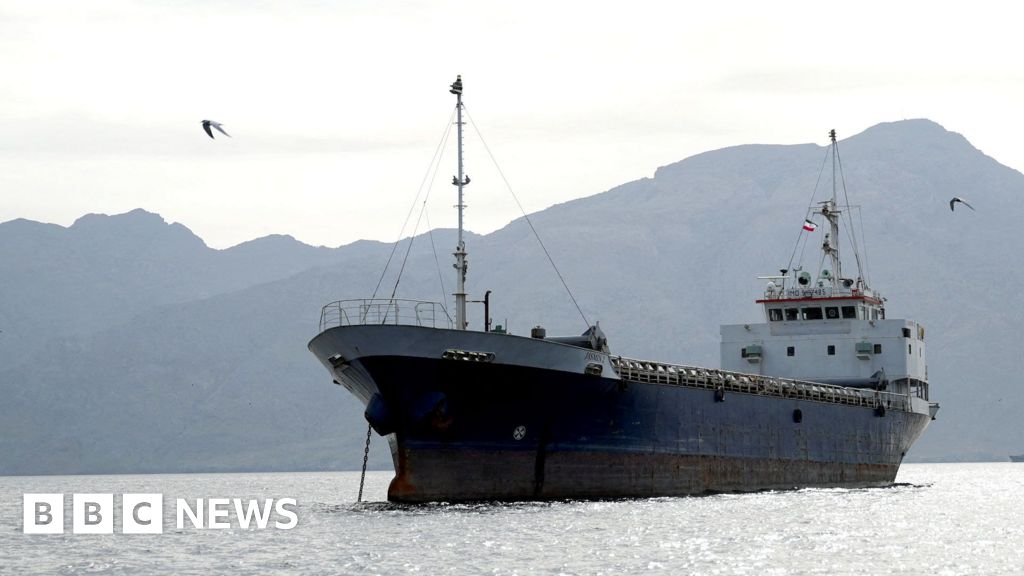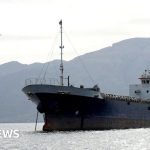

Mercy Corps’ latest assessment of the near‑total closure of the Strait of Hormuz, triggered by the six‑week‑old Iran‑Israel conflict, underscores a looming shock to regional supply chains that will reverberate across the Middle East and North Africa. With roughly one‑third of global fertilizer shipments and 35 percent of diesel transiting the waterway, the blockade has already driven crude prices to multi‑year highs and forced freight to detour around the Cape of Good Hope, inflating logistics costs by upwards of 150 percent for import‑dependent economies. For MENA sovereign budgets, which remain heavily exposed to energy revenue volatility, the surge in freight and fuel costs threatens to erode fiscal buffers and constrain public‑sector spending on infrastructure projects already under pressure from pandemic‑era debt builds.
In the agricultural arena, delayed fertilizer deliveries are poised to depress the 2024‑2025 planting cycles in Pakistan, Sudan and Ethiopia, jeopardising food security and curtailing rural incomes that feed into domestic consumption markets. The ripple effect extends to venture‑backed ag‑tech startups that rely on predictable input costs to scale precision‑fertilizer and drone‑spraying platforms. A sustained price premium could choke nascent financing pipelines, prompting regional venture capital funds to re‑allocate capital towards less exposure‑intensive sectors such as fintech and renewable energy, where MENA’s digital infrastructure offers more defensible growth trajectories.
Logistically, the protracted shutdown has catalysed an urgent re‑evaluation of maritime and hinterland transport assets across the Gulf. Sovereign wealth funds in the UAE and Saudi Arabia are likely to accelerate investments in alternative corridors—such as the Red Sea‑Suez Canal‑Linked logistics hubs and overland rail links through Jordan and Iraq—to diversify trade routes and safeguard the flow of essential commodities. These infrastructure pivots present sizable opportunities for construction firms, EPC contractors, and technology providers offering AI‑driven port optimization, yet they also demand hefty upfront capital commitments that could strain public‑private partnership frameworks already stretched by fiscal consolidation efforts.
Ultimately, the Hormuz disruption has transformed a geopolitical flashpoint into a strategic inflection point for MENA’s economic architecture. While the immediate humanitarian toll is evident, the longer‑term business implications—spanning sovereign revenue stability, venture capital allocation, and the reshaping of regional logistics networks—will dictate the pace at which the Middle East and North Africa can recover and adapt to a more fragmented global trade environment.