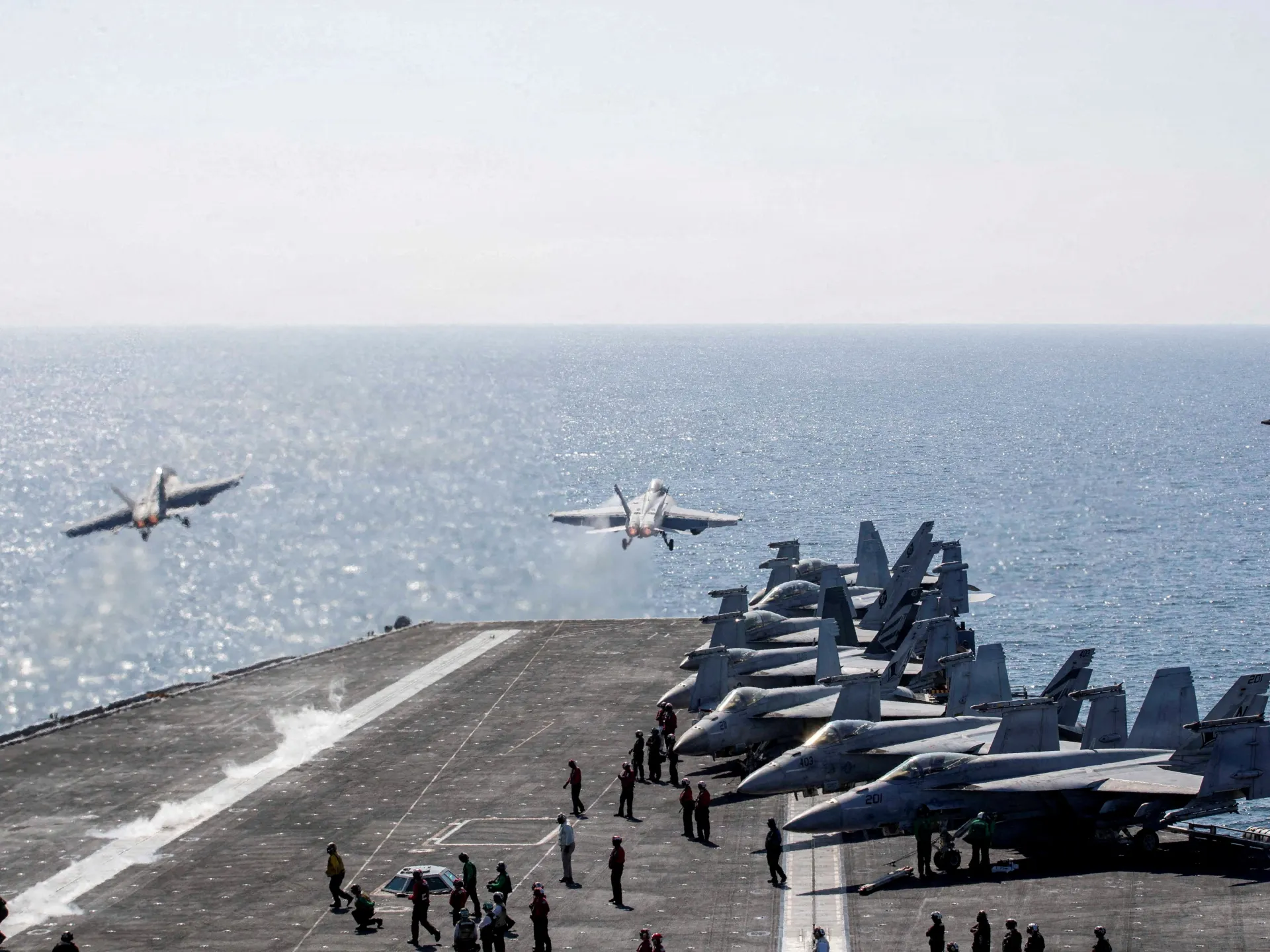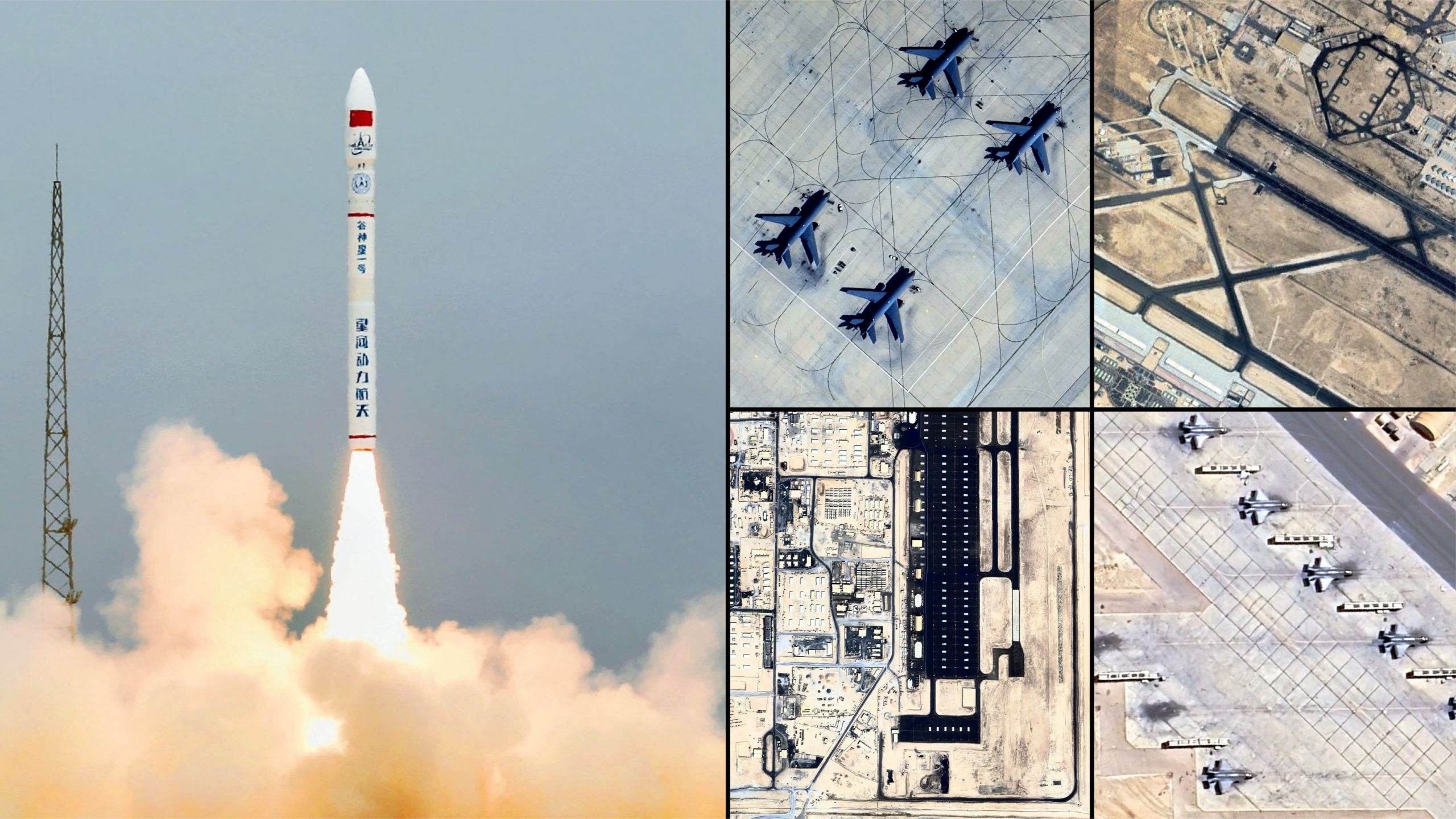

The recent disclosure of classified procurement records indicates that the Islamic Revolutionary Guard Corps covertly obtained a sophisticated guidance platform and employed it to direct precision strikes during the March hostilities. This revelation underscores a deepening integration of indigenous defense R&D with clandestine arms imports, a development that reverberates through the Middle East and North Africa’s sovereign risk calculus.
For sovereign investors, the incident amplifies geopolitical uncertainty and recalibrates the cost of capital across the region. Sovereign wealth funds are likely to reassess allocations to defense‑related equities and sovereign bonds emanating from jurisdictions perceived as vulnerable to proxy conflict escalation, while also factoring heightened scrutiny of supply‑chain integrity in their due‑diligence frameworks.
Venture capital ecosystems in the Gulf and Levant face a dual pressure: heightened scrutiny of dual‑use technology flows and an urgent need to diversify funding sources away from politically exposed actors. The episode may accelerate private‑sector pivot toward defensive cyber‑security and resilient infrastructure ventures, as investors seek to mitigate exposure to opaque state‑linked procurement channels.
From an infrastructure standpoint, the leaked acquisition raises concerns over the robustness of regional logistics and energy networks that depend on stable security environments. Governments may respond by funneling additional capital into redundant routing and hardened grid assets, while multilateral development banks could introduce risk‑adjusted premiums in project financing to account for heightened conflict volatility.