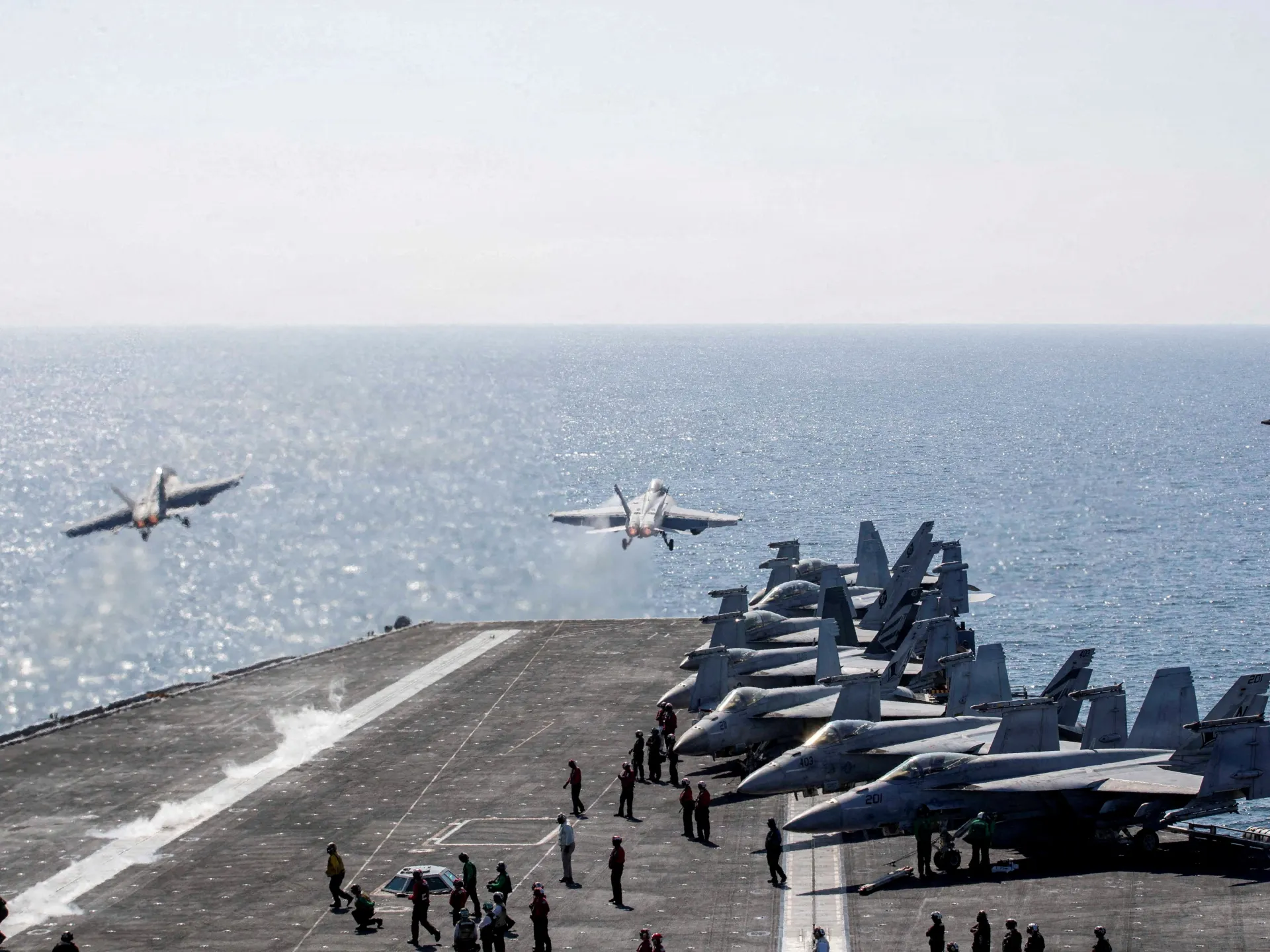

US Central Command confirmed that a full maritime blockade of Iranian ports has been enacted, halting virtually all seaborne trade that underpins roughly 90 % of Iran’s GDP. The operation mobilises more than 10,000 service members, including naval warships, air assets and logistics crews, and has already interdicted multiple commercial vessels attempting to load or unload at Chabahar and other coastal terminals. For regional sovereign investors, the immediate effect is a severe contraction in Iran’s export‑import balance, curtailing oil revenues and foreign‑exchange inflows that traditionally fund state‑led infrastructure projects and the burgeoning domestic venture‑capital ecosystem.
The abrupt cessation of maritime commerce reverberates across the MENA capital markets. Gulf sovereign wealth funds, already wary of Iranian exposure, are likely to reevaluate asset allocations, accelerating the shift toward more insulated sectors such as renewable‑energy pipelines and digital‑infrastructure that are less vulnerable to geopolitical shock. Simultaneously, the blockade squeezes the regional supply chain for petrochemical feedstocks and construction materials, prompting a short‑term price spike that could undermine cost‑competitiveness of large‑scale projects financed by Egyptian, Saudi and Emirati development banks.
Venture capital activity in the Gulf and North Africa is poised to feel a secondary impact. Iranian start‑ups, which have attracted seed funding from Tehran‑based angels and modest strategic capital from Qatar and the UAE, now face a liquidity crunch as cross‑border payments are choked off. This may force a consolidation of the regional tech corridor, with investors redirecting capital toward more politically stable hubs such as Dubai Internet City, Riyadh’s NEOM, and Morocco’s Casablanca Technopole, thereby reshaping the geography of innovation financing in the Middle East.
From an infrastructure standpoint, the blockade underscores the fragility of Iran’s over‑reliance on maritime gateways and accelerates calls for diversified logistics corridors, including rail links through Turkey and Central Asia, and expanded air freight capacity. Regional connectivity initiatives backed by the Arab Fund for Economic and Social Development and the African Development Bank could see renewed impetus as governments seek to hedge against future maritime interdictions. The strategic recalibration triggered by the US operation will likely reshape sovereign capital flows, venture‑funding patterns, and the broader infrastructure blueprint for the MENA region over the coming years.