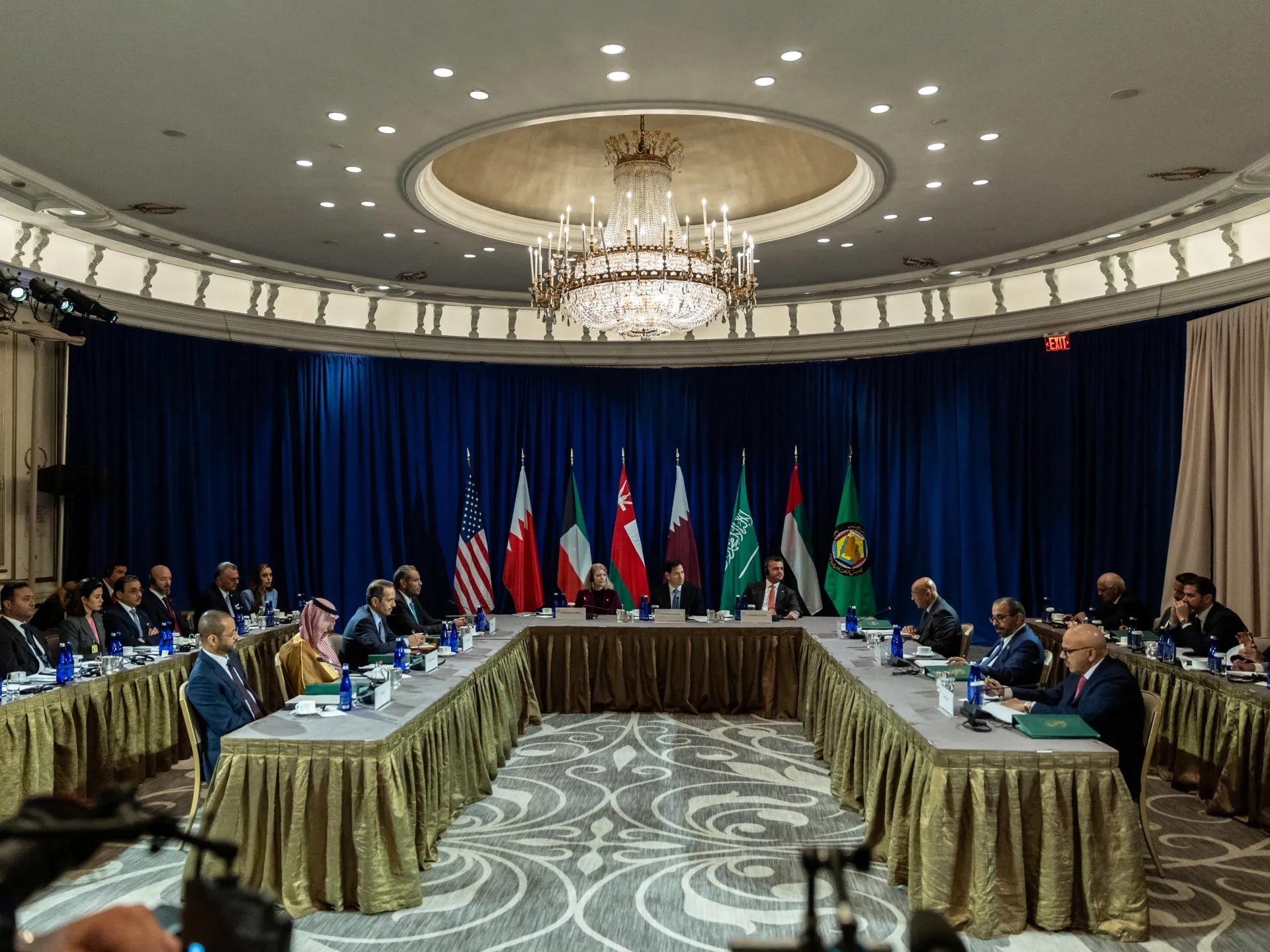

Italian Prime Minister Giorgia Meloni has called on the global community to accelerate diplomatic and logistical efforts to reopen the Strait of Hormuz, following a high‑profile conference that highlighted the strategic value of the waterway for the MENA region and the wider world. The call addresses not only immediate security concerns but also the deep economic shock that a prolonged shutdown would inflict on Gulf economies, oil markets, and downstream infrastructure.
From a sovereign‑capital perspective, the Strait is the lifeline for the Gulf Cooperation Council’s oil revenues and the broader regional balance of power. A closure would tripled the cost of maritime freight, pressure national budgets, and jeopardise the fiscal stability of sovereign wealth funds that underwrite critical public services. The Italian government’s plea underscores the urgency for a coordinated, multilateral solution that preserves the free flow of hydrocarbons while safeguarding maritime security.
Venture capital activity in the Middle East is already pivoting to fintech and supply‑chain resilience, seeking to hedge the volatility caused by geopolitical disruptions. The reopening of Hormuz would restore confidence in risk‑adjusted returns for private‑equity investors, bolster liquidity in local markets, and enable capital to flow into high‑growth technology startups that underpin the region’s diversification agenda. Failure to act swiftly could prompt a capital flight from the Gulf, prompting stricter capital controls and shying away from future investment‑driven development.
Infrastructure implications span the entire value chain: port authorities, shipping operators, and logistics firms face cascade effects on storage capacity, customs processing, and maritime insurance premiums. The emphasis on reconnecting the Strait signals a necessary recalibration of regional supply‑chain architecture, encouraging the emergence of alternative maritime corridors and the accelerated deployment of digital tracking and monitoring systems. In that context, the Italian call is both a diplomatic overture and a strategic reminder that the health of MENA’s energy and financial ecosystems hinges on secure sea lines of communication.