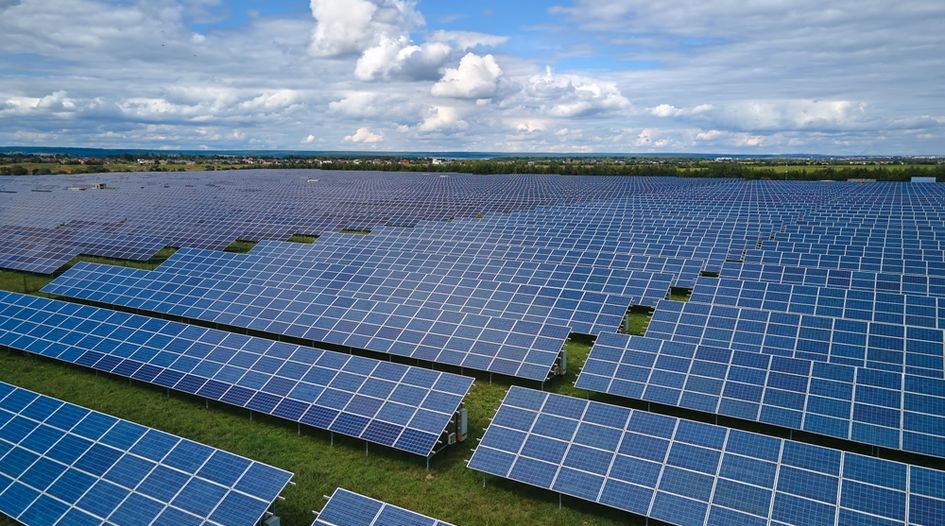

BigSur, an Argentine-born energy group, has secured US$11.5 million in its Series B funding round, underscoring investor confidence in Latin American clean energy expansion. Led by legal counsel Latham & Watkins LLP in New York and Appleby in the Cayman Islands, this investment round reflects a growing trend of cross-border private capital flow into the region’s infrastructure and technology sectors. As Middle Eastern sovereign wealth funds and institutional investors continue to consolidate their global diversification strategies, there is mounting speculation that MENA-based backing could emerge as a future anchor for large-scale, climate-aligned ventures originating from Latin America.
While BigSur’s base is in Argentina, the broader strategic significance lies in its potential alignment with Gulf investment priorities—particularly net-zero transitions, renewable integration, and resilient grid infrastructure. The energy transition investments coordinated by regional players like Abu Dhabi’s Mubadala and Saudi Arabia’s Public Investment Fund have been increasingly calibrated toward international project pipelines capable of delivering diversified, export-grade clean energy supply. BigSur’s recent funding milestone could signal an early case study in how Northwestern growth-stage companies tap into sovereign-backed capital networks, akin to offshore project partnerships already seen in Europe and Asia.
From a capital stack perspective, Latin American clean technology could become a logical soft landing for MENA’s ‘brown-to-green’ rebalancing of portfolio exposures, especially as nations seek scalable, future-ready assets. Though contractual details are emerging, the structuring of this Series B—anchored by transatlantic legal partners in privacy-secure and finance-permissive jurisdictions—could serve as a model for bridging North-South capital channels. For the Gulf’s investment arms, participation in such rounds may come as both a reentry into South America’s evolving energy ecosystem and a hedge against future volatility in fossil-dependent sectors. The net takeaway remains clear: cross-regional funding flows of this caliber mark only the early stages of a recalibration in global energy and infrastructure investment patterns.