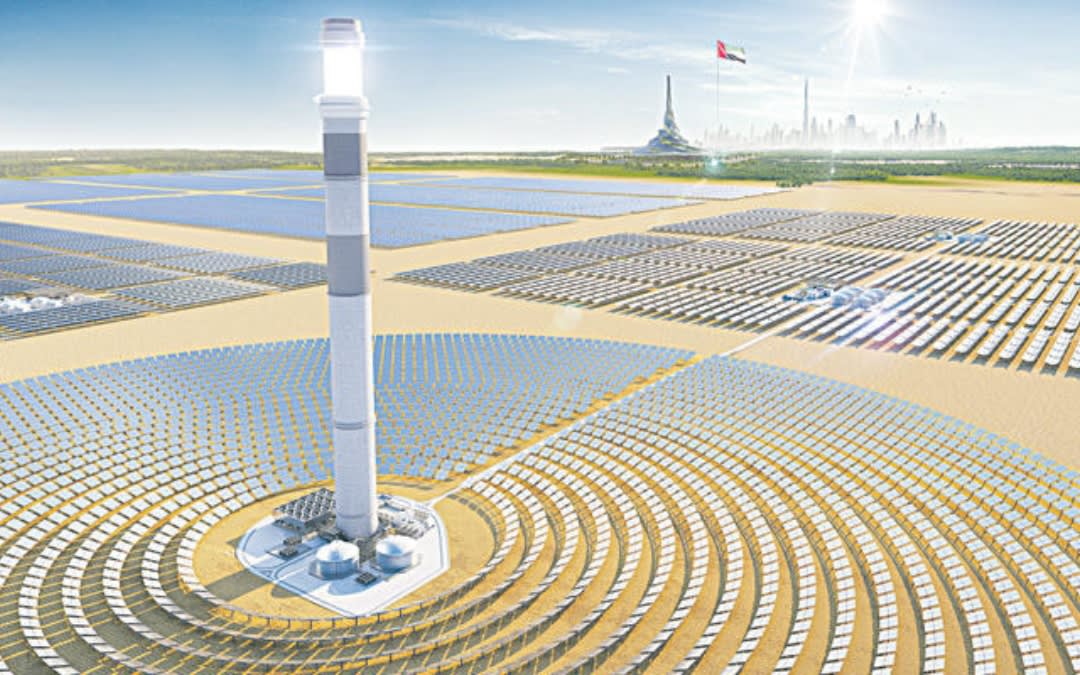

Hindustan Copper Ltd.’s ambitious Rs 7,188.90 crore capital expenditure program over the next five years signals a significant shift in India’s metals sector, with substantial implications for the broader Middle East and North Africa (MENA) region. This investment, focused on expanding copper mining operations and integrating advanced digital technologies, represents a strategic move to enhance production capacity from 4.21 million to 12.20 million tonnes annually by 2029-30. This scaling up of copper output holds direct relevance for MENA, where copper is a critical component in renewable energy infrastructure projects, particularly in solar and wind power development – a key pillar of many regional economic diversification plans. Increased Indian copper supply could alleviate import pressures and potentially influence pricing dynamics across the region.
Beyond domestic production, HCL’s commitment to data-driven operations and digital transformation offers valuable lessons for MENA’s infrastructure development. The implementation of hybrid underground communication, modernized ERP platforms, and a private 5G network represents a best-practice approach to optimizing resource management and enhancing operational efficiency within large-scale mining ventures. Sovereign wealth funds and state-owned enterprises in the MENA region, heavily involved in infrastructure projects ranging from desalination plants to smart city initiatives, could leverage these technological strategies to improve project execution and reduce operational costs. Furthermore, the development of a centralized command and control center mirrors the growing need for integrated monitoring systems across diverse sectors in the region, facilitating better decision-making and risk mitigation.
The capital expenditure plan also has notable venture capital and investment implications. While HCL is a state-owned entity, its embrace of technology creates opportunities for private sector participation. MENA’s burgeoning venture capital ecosystem could identify and invest in technology providers specializing in mining automation, data analytics, and smart infrastructure solutions. This represents a potential cross-border investment stream, fostering technological transfer and creating linkages between the Indian and MENA economies. Successfully executing HCL’s digital roadmap could establish a precedent for other resource-intensive industries in the region to adopt similar technology-driven approaches, attracting further investment and driving innovation.
The long-term impact extends to regional infrastructure development, particularly in areas requiring robust electrical grids and transmission systems. Increased copper production will necessitate investments in upgrading existing infrastructure and expanding capacity. MENA nations actively pursuing ambitious renewable energy targets will require access to reliable and competitively priced copper supplies. HCL’s strategic investments, coupled with the regional focus on digital infrastructure and sustainable resource management, underscore the growing interconnectedness between industrial development, technological innovation, and regional economic growth in the 21st century. The success of such initiatives will be a key determinant of MENA’s ability to achieve its long-term economic goals and build resilient, diversified economies.