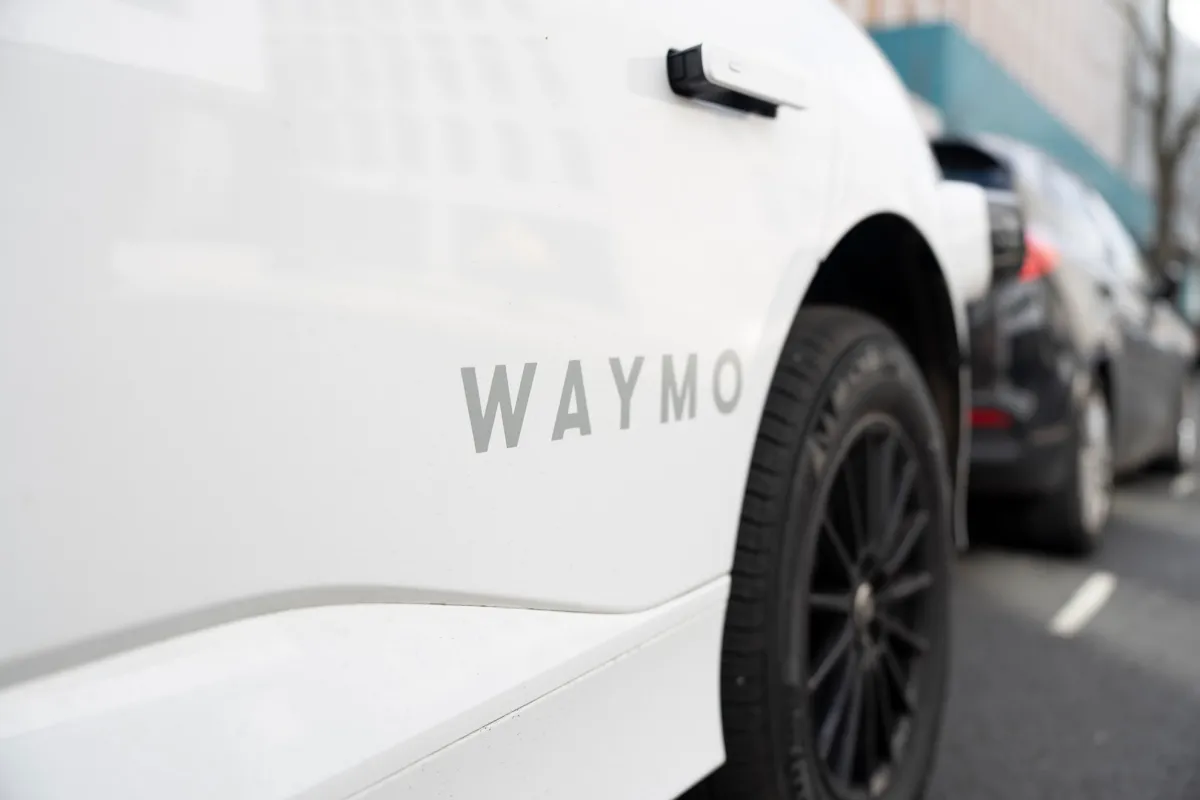

Waymo’s advance into London represents a pivotal moment for autonomous vehicle (AV) deployment, with profound implications beyond the city itself. As the company expands its commercial robotaxi service in 2026, it underscores the strategic pivot toward regulatory compliance and infrastructure adaptability—priorities that mirror challenges and opportunities in the Middle East and North Africa (MENA). For sovereign capitals in the region, this could signal a window to align AV development with broader digital sovereignty goals, potentially attracting investments in smart-city frameworks. Businesses may find a blueprint for integrating AV solutions into urban logistics and public transit, while venture capital firms could channel MENA-focused funds toward scaling mobility tech, particularly in Gulf markets where sovereign budgets increasingly prioritize tech-driven economic diversification. The infrastructure demands of AV testing—dedicated mapping, real-time data hubs, and cybersecurity protocols—parallel the infrastructure investments MENA nations must pursue to unlock AV viability. Without parallel regional investments in resilient digital infrastructure, such innovations risk stalling in the MENA context, where legacy systems and regulatory fragmentation persist.
Waymo’s localized hiring and service-center expansion in London highlights a critical business imperative: AV success hinges on understanding regional nuances, from urban density to cultural driving behaviors. This model could catalyze MENA’s venture capital landscape, where Gulf sovereign wealth funds and regional tech investors increasingly target mobility innovation. Countries like UAE and Saudi Arabia, with their tech-ambitious Vision 2030 and similar initiatives, may replicate Waymo’s approach by offering incentives for AV startups or partnerships with global players. For MENA-based venture capital, this could unlock opportunities to co-develop AV solutions tailored to informal transportation sectors, which dominate urban economies across the region. However, the premium costs of AV deployment—both in terms of capital and regulatory navigation—may favor sovereign-backed projects, where risk is mitigated through public-private partnerships. The absence of such frameworks in many MENA markets, however, could delay commercial viability, forcing investors to allocate capital toward foundational infrastructure rather than commercial pilots alone.
The trajectory of Waymo’s London rollout underscores the interdependence of AV adoption and regional infrastructure resilience. For MENA, this implies that sovereign capital must prioritize coordinated investments in AI-ready data centers, 5G connectivity, and ethical AI governance to support AV ecosystems. Countries with weaker institutional frameworks may face challenges in attracting global players like Waymo, necessitating proactive policy development to mirror the UK’s regulatory clarity. Furthermore, the competition between Waymo, Wayve, and Uber in London illustrates a global trend where AV markets become battlegrounds for technological supremacy—a dynamic that could replicate in MENA as regional countries vie to become AV hubs. Here, sovereign capital could act as a strategic lever, funding infrastructure projects that not only enable AV deployment but also position MENA as a testing ground for next-gen mobility tech. Without this alignment of capital, infrastructure, and policy, the region risks falling further behind in the global AV arms race, despite growing demand for smart transportation solutions.