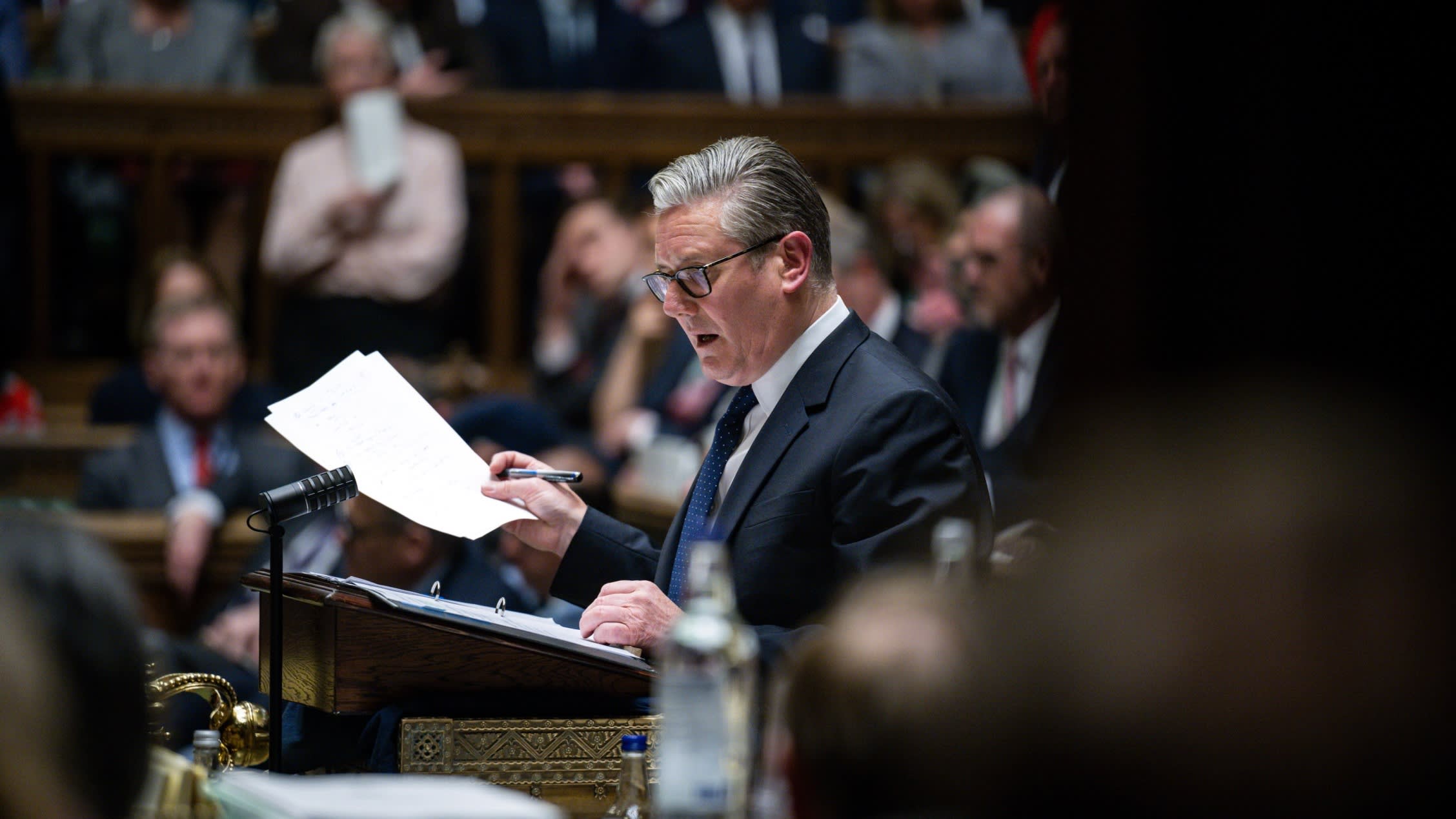

The recent controversy surrounding Mandelson continues to cast a long shadow over Boris Johnson’s government, with the consequences reverberating across the Middle East and North Africa. While the incident primarily unfolded in the UK Westminster, its implications transcend borders, influencing sovereign capital flows, venture capital strategies, and regional infrastructure planning. The situation underscores a critical testing ground for political stability in a region increasingly dependent on international financial and technological confidence. Investors and policymakers across MENA are acutely aware that the outcome of this matter could shape not only the UK but the broader geopolitical and economic architecture of the region.
The fallout from this incident has amplified concerns over sovereign wealth management and transparency in governance structures that underpin regional capital markets. For Gulf-based sovereign investors, whose strategies hinge on stable international relations and predictable regulatory environments, this episode underscores the fragility of trust in diplomatic and financial engagements. As regional development hinges upon attracting both public and private capital, any disruption carries tangible implications for infrastructure investments, digital transformation, and long-term economic diversification. The Middle East and North Africa stand at a crossroads, where maintaining investor confidence is paramount to ensure sustained growth and integration into global financial networks.
Venture capital ecosystems in MENA, already navigating challenges from political upheavals and regulatory ambiguity, now face heightened scrutiny. This incident serves as a stark reminder of the interplay between geopolitical events and capital deployment, influencing funding decisions for tech startups and innovation-driven projects across the region. Moreover, the evolving landscape of sovereign capital—especially as countries pursue sovereign wealth funds’ ambitions—demands a recalibration of engagement protocols. The MENA region must therefore prioritize strategic dialogue and assurance to sustain its status as a competitive hub for technology and finance, even in times of turbulence.
This episode reaffirms the necessity for a coordinated, institutional approach to address the intersection of politics, finance, and technology in the region. For stakeholders with a long-term perspective, the path forward lies in reinforcing transparency, building resilient institutions, and fostering partnerships that transcend short-term crises. As the stakes rise, the business impact of this episode will extend well beyond the halls of Westminster, shaping the financial trajectories of a dynamic and rapidly evolving part of the world.