
Russia’s warning that European escalations in drone deliveries to Ukraine are accelerating the conflict has immediate ramifications for the Middle East and North Africa’s defence‑industry landscape. Sovereign wealth funds in Saudi Arabia, the United Arab Emirates and Qatar, which have been diversifying portfolios into advanced aerospace and unmanned‑systems, now face heightened geopolitical risk assessments. The prospect of a broader European‑Russian confrontation could compress regional procurement cycles, prompting ministries of defence to re‑evaluate existing contracts with Western OEMs and accelerate indigenous development programmes backed by state‑driven capital.
Venture capital allocated to MENA start‑ups focused on autonomous aerial platforms is likely to experience a dual shock. On one hand, heightened demand for counter‑UAV technologies by regional militaries may spur an influx of funding, as sovereign investors seek to insulate supply chains from Western export constraints. On the other, the volatility introduced by sanctions on Russian components and the potential for an export‑control backlash could tighten due diligence, driving venture funds to favour firms with wholly localised value‑chains and robust IP protection.
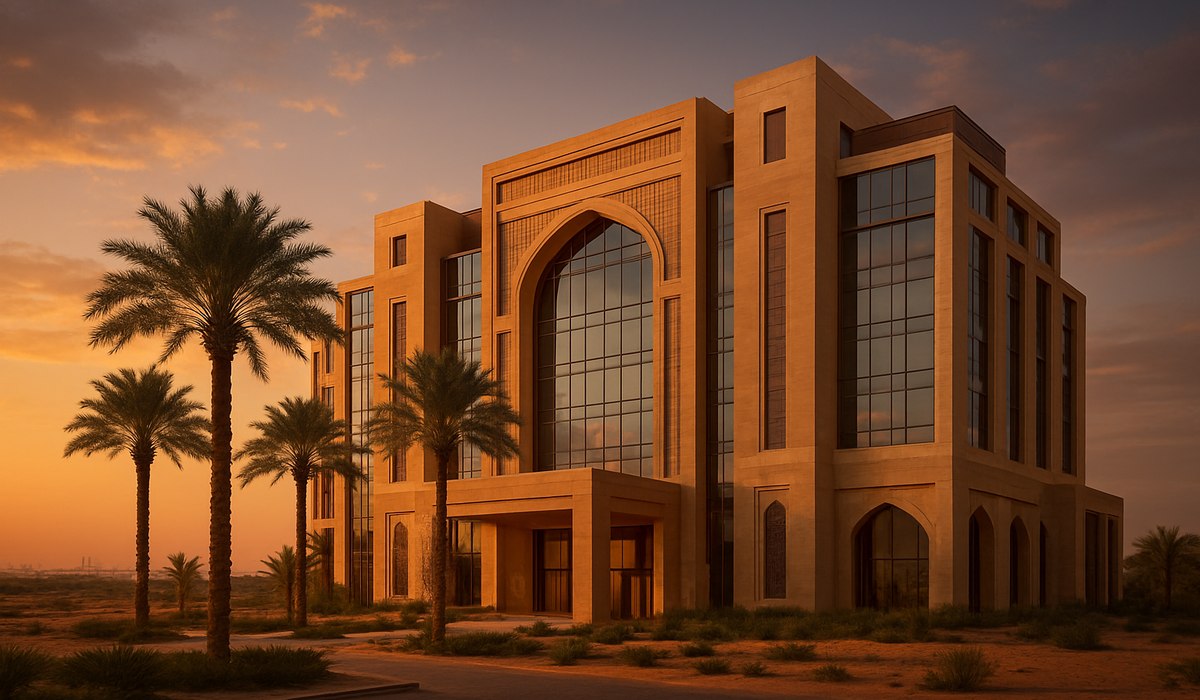
Infrastructure projects underpinning the region’s ambition to become a drone‑manufacturing hub are now under scrutiny. The United Arab Emirates’ $2 billion drone‑assembly complex in Abu Dhabi and Saudi Arabia’s planned smart‑manufacturing corridor in the Neom zone rely on a steady flow of high‑grade sensors and propulsion units, many of which are sourced from Europe. Disruptions in supply could force a strategic pivot toward alternative suppliers in the Indo‑Pacific or accelerate the establishment of joint‑venture production lines with allied European firms seeking a neutral foothold outside the conflict zone.
Finally, the broader sovereign capital allocation strategy across the GCC is being recalibrated. Asset managers are increasing exposure to defence‑related equities and direct stakes in technology parks, while simultaneously hedging against currency and political risk through diversified holdings in non‑energy sectors. The interplay between geopolitical tension and the region’s drive for technological self‑sufficiency is set to reshape capital flows, with the next fiscal cycle likely to witness a pronounced shift toward defence‑tech assets that can deliver both strategic and financial returns.