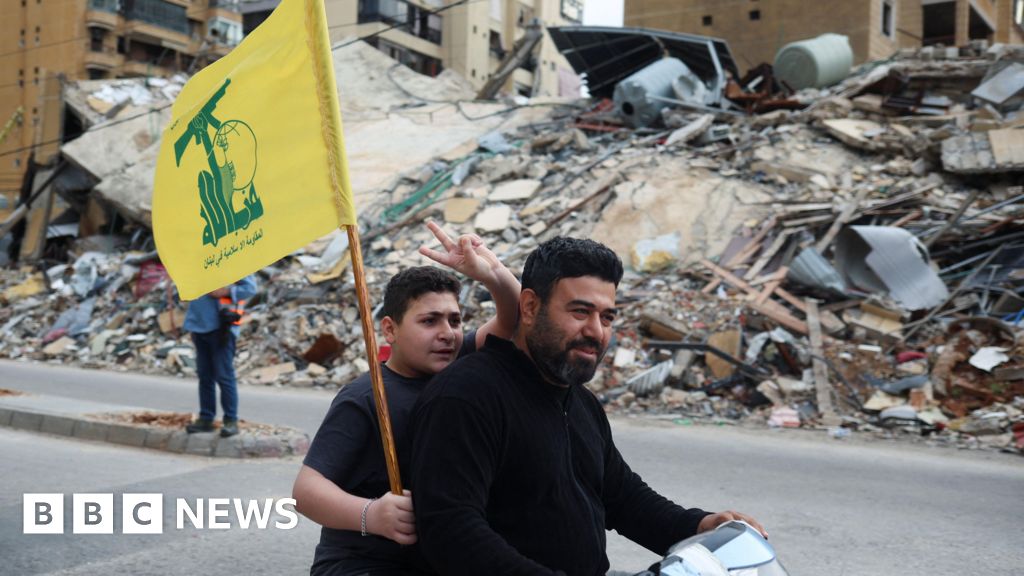

A ten‑day cease‑fire between Israel and Hamas, now underwritten by Iran‑aligned Hezbollah, marks a rare moment of de‑escalation that could reverberate across the Middle East’s financial landscape. For sovereign wealth funds and sovereign‑linked lenders in the Gulf, a pause in hostilities reduces the risk premium on regional credit and opens the door for renewed engagement with Israeli‑connected fintech and cleantech firms, a sector that has long been constrained by geopolitical volatility. The temporary lull also eases pressure on oil markets, allowing OPEC‑plus to refocus on production targets rather than crisis‑driven volatility, which in turn stabilises revenue streams for export‑dependent economies such as Saudi Arabia, the United Arab Emirates and Qatar.
Venture capital pipelines that have been stalled by security concerns are likely to revive once the truce proves durable. Regional funds, including Saudi Arabia’s Public Investment Fund (PIF) and Abu Dhabi’s Mubadala, have earmarked billions for cross‑border technology investments, but have been hesitant to commit to Israeli‑based startups or joint‑venture platforms amid the conflict. A sustained cease‑fire could unlock a wave of follow‑on financing for AI, cybersecurity and health‑tech ventures that straddle the Red Sea corridor, bolstering the MENA region’s ambition to become a hub for next‑generation digital infrastructure.
Infrastructure projects—particularly those in transport, logistics and renewable energy—stand to benefit from a reduction in security‑related cost overruns. The Red Sea shipping lanes, a critical artery for Saudi and Egyptian trade, have experienced intermittent disruptions that inflated insurance premiums and delayed port modernisation schemes. A calm environment would enable the swift execution of multi‑billion‑dollar initiatives such as the NEOM transit network and Egypt’s Suez Canal expansion, preserving schedule integrity and ensuring that financing structures remain on‑track.
Ultimately, the diplomatic overture that produced the ten‑day truce underscores the intertwined nature of geopolitical stability and capital flows in the MENA region. While the cease‑fire is provisional, its confirmation by both regional powers and the United States offers a narrow window for sovereign investors and venture capitalists to calibrate risk models, redeploy capital, and accelerate the region’s strategic transition toward a diversified, technology‑enabled economy.