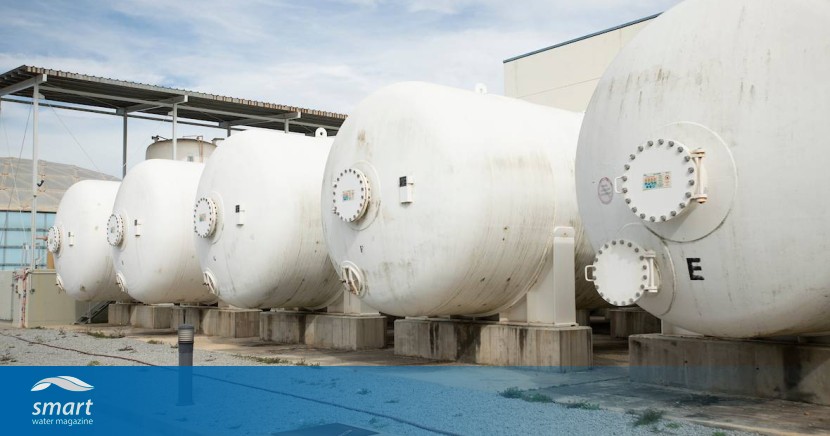

The Bahrain Electricityand Water Authority (EWA) has advanced two strategic utility projects— the 100 MW Bilaj Al Jazayer Solar Independent Power Project (IPP) and the Hidd Independent Water Project (IWP)—by completing the rigorous bid evaluation stage. The solar tender, launched in October 2025 under a single‑stage, two‑envelope framework, attracted offers from ACWA Power and Yellow Door Energy, while the water pre‑qualification round, initiated in November 2024, garnered proposals from ACWA Power, GS Inima Environment, TAQA and Lamar Holding. Both initiatives are anchored in long‑term build‑own‑operate contracts (25 years for solar, 20‑25 years for desalination) that guarantee revenue streams and align with Bahrain’s sovereign agenda to diversify energy sources and secure water supplies.
From a business perspective, the award of these contracts will catalyze significant sovereign‑capital deployment, leveraging the Gulf’s sovereign wealth funds to finance clean‑energy assets that can be monetised through green bonds and institutional investors. The resulting pipelines are poised to draw venture‑capital interest toward ancillary technologies—such as advanced PV module recycling, digital grid‑management platforms, and high‑efficiency desalination membranes—thereby expanding the region’s clean‑tech ecosystem. The commercial‑operation target of September 2027 provides a clear horizon for cash‑flow modeling, enabling private equity and infrastructural financiers to lock in returns while supporting Bahrain’s broader Objective 2025 + economic diversification roadmap.
Regionally, the projects serve as a template for integrated utility PPPs across the GCC and wider MENA, reinforcing sovereign commitments to renewable capacity and water security that are increasingly viewed as strategic national assets. By showcasing a transparent, single‑stage tender process and robust risk‑allocation mechanisms, Bahrain is positioning itself as a hub for sovereign‑backed infrastructure finance, encouraging cross‑border capital flows and prompting neighboring states to replicate the model. The ensuing infrastructure upgrades will not only augment grid resilience and desalination throughput but also underpin the growth of ancillary industries—manufacturing, logistics, and digital services—thereby amplifying economic multipliers and cementing the Middle East’s transition toward a sustainable, capital‑intensive growth paradigm.