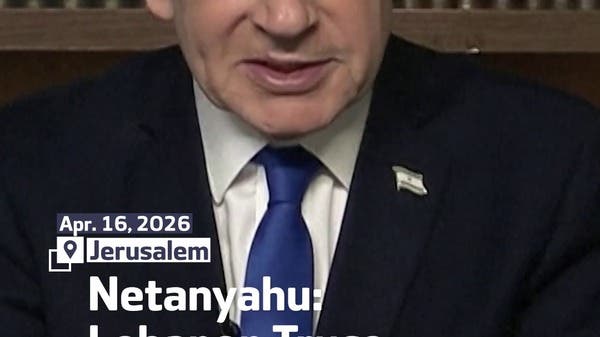

The recent announcement of a truce between Lebanon-based factions, framed by Prime Minister Netanyahu as a conduit for “historic peace,” underscores a pivotal juncture for the Middle East and North Africa’s (MENA) economic and strategic landscape. From a sovereign capital perspective, the cessation of hostilities could catalyze renewed investor confidence in the region, particularly for jurisdictions seeking to repatriate assets or unlock dormant fiscal reserves. Lebanon’s protracted instability has long deterred capital allocation from Gulf Cooperation Council (GCC) sovereign wealth funds and Eurobank sovereign entities, but a durable truce may signal reduced geopolitical risk, enabling strategic investments in regional stabilization programs and cross-border infrastructure. Such capital flows could prioritize de-risking initiatives for neighboring states like Syria and Yemen, where sovereign debt crises have exacerbated displacement and economic fragmentation.
Venture capital ecosystems in the MENA region stand to gain indirect but material benefits from this development. A stabilized Lebanon could serve as a bridge for fintech and agritech innovation hubs, leveraging its coastal proximity to regional supply chains. Additionally, reduced conflict-related volatility may attract cross-border VC activity into adjacent economies like Jordan and Israel, sectors including renewable energy and urban logistics poised to fill gaps created by defense-driven spending. However, the truce’s longevity will be critical; short-term optimism risks overvaluation of startups operating in fragile macroeconomic environments, while prolonged uncertainty could deter follow-on funding cycles in climate-tech and circular economy ventures.
Infrastructure modernization emerges as a linchpin for translating peace into economic resilience. Lebanon’s strained transportation networks and energy grid—already under strain from mismanagement and sanctions—require prioritization to reintegrate into regional trade corridors. Cross-border projects linking Lebanese gas fields to GCC power grids or TurkStream-certified alternative pipelines could unlock underutilized hydrocarbon reserves, while smart grid investments might mitigate chronic load-shedding in adjacent countries like Iraq and Algeria. However, executing these initiatives demands multilateral coordination, as sovereignty disputes over water resources (e.g., shared aquifers) and competing bilateral energy deals threaten to fragment capital-intensive efforts.
Yet, the interplay of historic peace and financial pragmatism remains fraught with challenges. Sovereign capitals face stark asymmetries in risk appetite, with GCC states prioritizing debt restructuring over venture investments, while EU institutions demand concrete climate mitigation frameworks before disbursing EU4MENA funds. The truce’s true impact will hinge on Lebanon’s ability to convert temporary ceasefires into institutional reforms, ensuring that capital inflows are channeled into productive sectors rather than speculative real estate or defense procurement. Without such structural shifts, the region risks minting another generation of “peace dividends” that fizzle into fiscal reckoning.