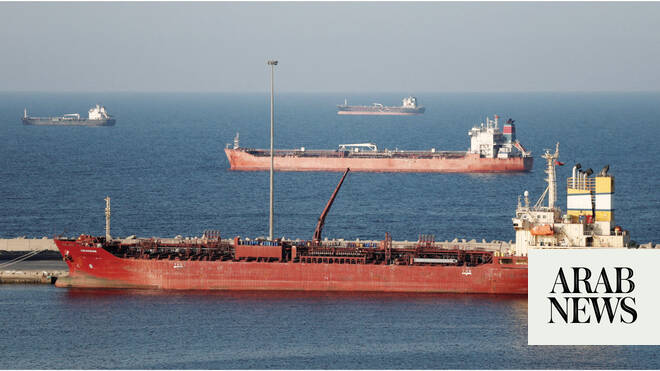

The escalation in the Strait of Hormuz, triggered by the joint US–Israeli strikes on Iran and Tehran’s retaliatory threats, has abruptly curtailed one of the world’s most critical maritime chokepoints. Roughly one‑third of globally traded fertilizer, 20 % of LNG and 27 % of oil transit the strait, and the ensuing tanker standstill has already driven Sudanese diesel prices from SDG 19,000 to SDG 30,000 per gallon, with urea costs spiking from $400 to over $700 per tonne. For a country already devastated by civil war—where fertilizer imports have collapsed from 450,000 t to 50,000 t annually and nearly half the population faces acute food insecurity—the timing is catastrophic: the June planting window is approaching, and input shortages threaten to lock in reduced harvests, higher inflation and deeper reliance on foreign aid.
From a sovereign‑capital perspective, the shock exposes the vulnerability of MENA economies that remain heavily dependent on Gulf‑exported nitrogen fertilizers and hydrocarbon transit revenues. Saudi Arabia’s Public Investment Fund, the UAE’s Mubadala and Qatar Investment Authority are likely to reassess their strategic allocations, accelerating capital toward domestic ammonia‑urea complexes powered by renewables, strategic fuel reserves and diversified logistics corridors such as the Red Sea–East Africa rail‑port nexus. Simultaneously, the crisis creates a clear investment thesis for venture‑capital funds focused on ag‑tech: precision irrigation, low‑input cereals, bio‑fertilizers and alternative fuel technologies (e.g., green ammonia, synthetic diesel) that can decouple local food production from Hormuz‑dependent supply chains.
Regionally, the episode underscores the urgency of upgrading infrastructure to bypass maritime bottlenecks. Investments in overland linkages—such as the Sudan‑Ethiopia–Djibouti corridor, expanded capacity at Port Sudan, and the development of alternative bunkering hubs in the Gulf of Aden—are becoming not just economic imperatives but national security priorities. Moreover, the convergence of food‑security and energy‑security risks is prompting sovereign wealth funds to co‑finance public‑private projects that integrate desalination‑linked hydrogen production with fertilizer synthesis, thereby creating a domestic buffer against future Hormuz disruptions. In the short term, emergency seed and input subsidies must be deployed before the planting season closes; in the medium term, a coordinated MENA‑wide strategy to localize critical agri‑inputs and diversify transit routes will be essential to mitigate systemic shocks and preserve macro‑stability.