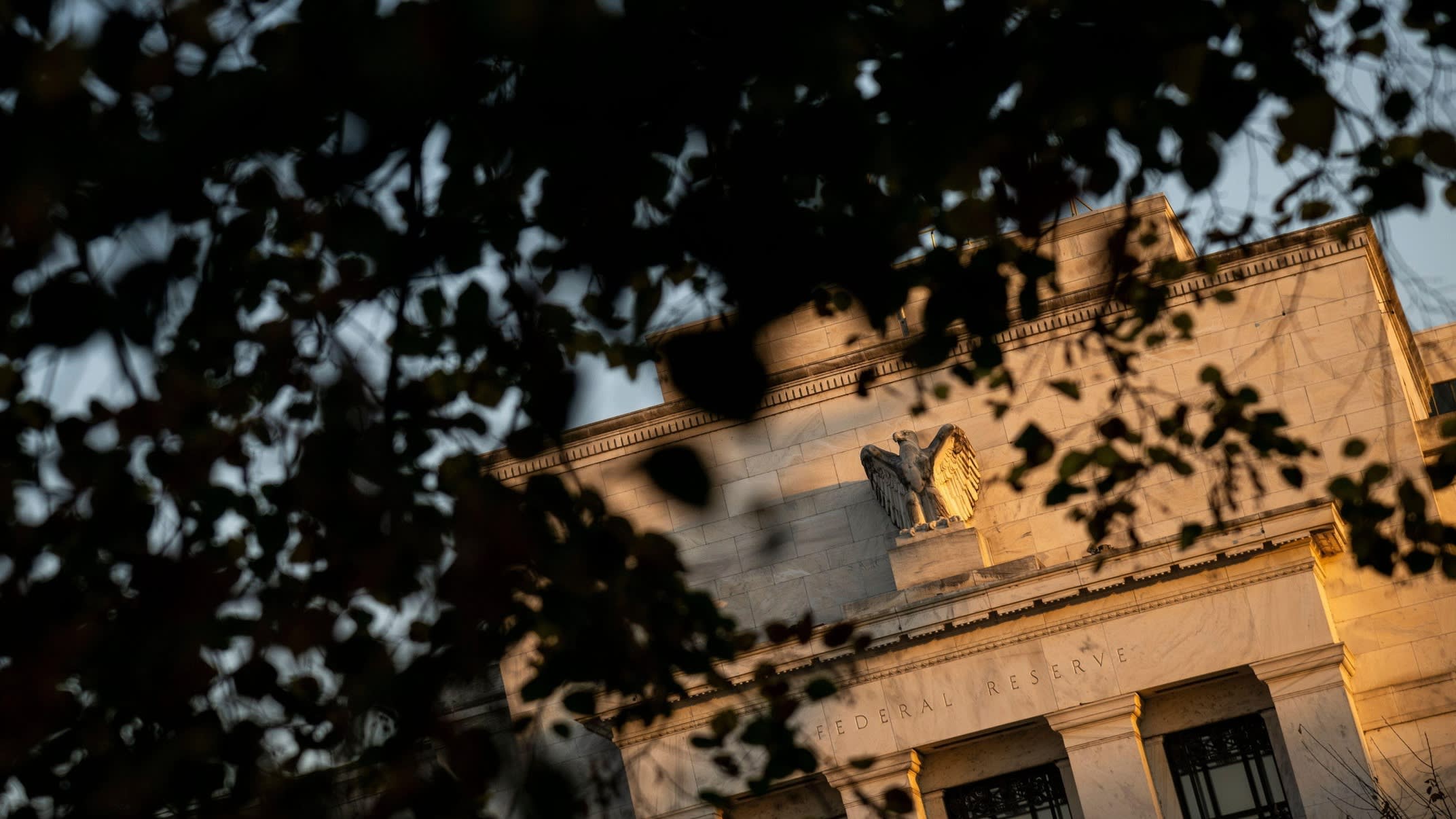

The prospect of a Trump‑appointed chair at the Federal Reserve compels a strategic reassessment of monetary policy transmission across the Middle East and North Africa. A potential shift toward a more accommodative stance could depress the U.S. dollar, delivering a sizable capital influx for sovereign wealth funds in Saudi Arabia, the UAE and Qatar, whose dollar‑denominated assets would appreciate in relative terms. Conversely, a hard‑landing narrative—characterised by rapid rate hikes to curb inflation—would tighten global liquidity, forcing regional central banks to defend their own currencies and potentially curtail fiscal stimulus earmarked for infrastructure megaprojects such as Egypt’s Suez Canal expansion and Morocco’s high‑speed rail network.
Venture capital pipelines that hinge on U.S. dollar‑funded rounds are equally vulnerable. A dovish Fed would sustain low‑cost financing, encouraging continued inflows into fintech, health‑tech and renewable‑energy startups across the GCC and Levant. However, an aggressive tightening cycle could elevate cost‑of‑capital metrics, prompting limited partners to recalibrate allocations away from emerging‑market funds and toward more defensive assets. Regional venture firms—e.g., STV, BECO Capital and Wadi Makkah—must therefore rehearse contingency strategies, including quicker path‑to‑revenue models and diversified LP bases, to mitigate funding volatility.
On the sovereign front, many MENA governments are perched on a delicate balance sheet, with external debt ratios already pressured by pandemic‑era borrowing. A Fed pivot toward higher rates would raise borrowing costs for Euro‑dollar issuances, compelling ministries of finance to explore alternative funding structures, such as green sukuk or direct equity stakes from sovereign wealth entities. This could accelerate the region’s shift toward sharia‑compliant financing and deepen the nascent market for climate‑linked bonds, aligning with the Gulf Cooperation Council’s climate ambition while preserving access to international capital.
Infrastructure developers must also account for the Fed’s policy trajectory. Projects financed through syndicated loans or export‑credit agency guarantees are particularly sensitive to shifts in U.S. interest rates. A prolonged period of rate hikes would likely induce a re‑pricing of risk premiums, prompting contractors and EPC firms to renegotiate terms or seek public‑private partnership models that embed greater risk‑sharing. In sum, the confirmation of a Trump‑chosen Fed chair will reverberate through the region’s financial ecosystem, reshaping sovereign capital strategies, venture funding dynamics and the economics of large‑scale infrastructure delivery.