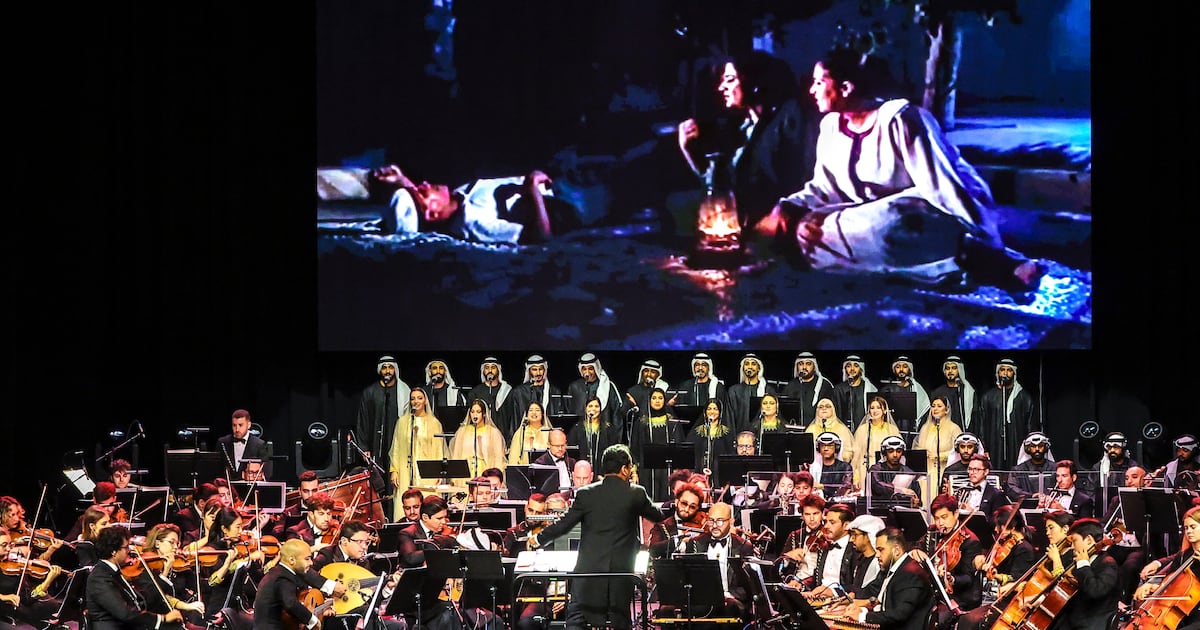

The UAE National Orchestra’s latest program, “From Screen to Stage,” marks a pivotal moment in the Gulf’s cultural‑economic strategy, signalling the Emirati government’s willingness to allocate sovereign wealth toward a persistent cultural infrastructure. By converting a half‑century of home‑grown film and television scores into a live symphonic experience, the orchestra demonstrates how state‑backed arts institutions can become platforms for talent incubation, intellectual‑property consolidation and revenue‑generating catalogues. The initiative aligns with the UAE’s broader diversification agenda, where ministries of culture and the Abu Dhabi Investment Office are coordinating multi‑billion‑dollar funding streams to build a national library of commissioned works, safeguarding royalties and creating exportable content for global streaming markets.
From a venture‑capital perspective, the concert underscores a growing pipeline of creative‑tech startups that stand to benefit from the orchestra’s archival ambitions. Firms developing AI‑driven music‑metadata, immersive concert‑visualisation, and rights‑management platforms are likely to see heightened demand as the orchestra digitises and licences its repertoire. The exposure of legacy compositions—once confined to archived broadcasts—provides a fertile dataset for fintech solutions that tokenise music rights, opening new avenues for private equity participation and secondary‑market liquidity in the MENA cultural sector.
Infrastructure-wise, the performance highlights the necessity for state‑level investment in high‑capacity rehearsal halls, recording studios and digital distribution networks across the UAE and neighboring markets. The Cultural Foundation Abu Dhabi, as the venue, illustrates how flagship venues serve as hubs for cross‑sector collaboration, linking government‑funded cultural bodies with private‑sector technology partners. This model is being replicated in Saudi Arabia’s NEOM cultural district and Qatar’s Katara facilities, signalling a regional shift toward integrated cultural‑innovation clusters that blend performance spaces with media‑tech incubators.
In sum, the orchestra’s venture into preserving and re‑presenting Emirati screen music is more than an artistic endeavour; it is a calculated move to convert cultural heritage into a sustainable asset class. By leveraging sovereign capital, fostering venture investment in music‑tech, and building robust creative infrastructure, the United Arab Emirates is positioning itself as a catalyst for a new, knowledge‑based economy in the Middle East and North Africa.