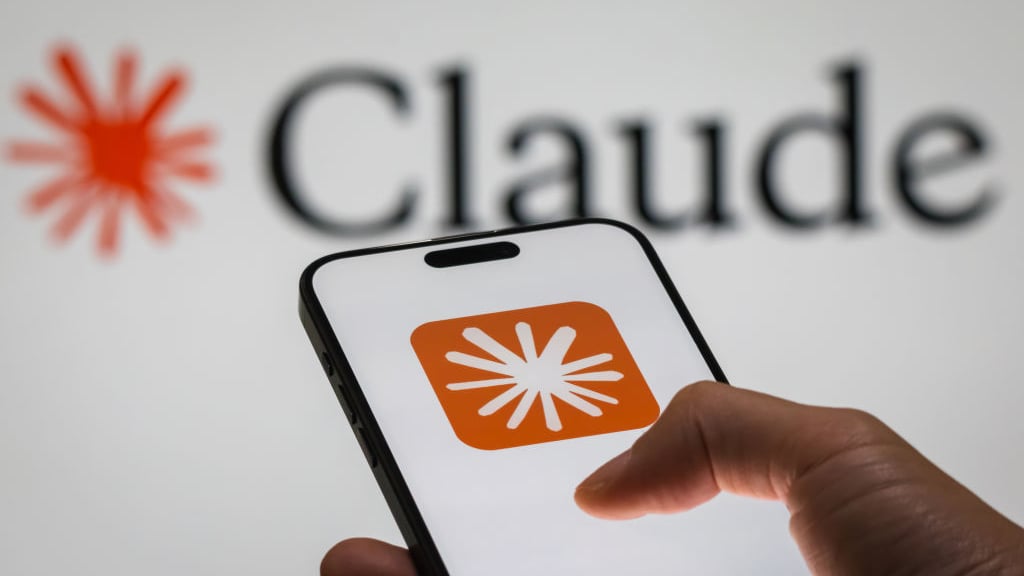

Anthropic, the leading AI developer behind Claude, is navigating a critical juncture in its business strategy, demonstrating the increasingly complex interplay between technological innovation and national security imperatives within the MENA region and the broader global landscape. Despite being recently designated as a supply-chain risk by the Pentagon, the company is actively engaging with senior officials within the Trump administration, signaling a potential diplomatic thaw that carries significant implications for both Anthropic’s financial trajectory and the regional venture capital ecosystem. This development highlights the growing importance of federal partnerships for AI firms seeking to establish dominance in the enterprise market.
The Pentagon’s designation, while potentially jeopardizing lucrative defense contracts and impacting Anthropic’s access to crucial government infrastructure, underscores the escalating focus on AI’s national security applications. This represents a paradigm shift, mirroring the strategy adopted by established technology players like Microsoft, which has strategically embedded itself within government operations. The evolving regulatory environment necessitates that AI companies demonstrate robust security protocols and operational resilience, particularly as they expand into sensitive sectors. Sovereign wealth funds and regional investment firms, increasingly recognizing AI’s transformative potential, are closely monitoring Anthropic’s recalibration, as a successful navigation of this challenge will influence investor confidence and potentially unlock further funding opportunities.
Furthermore, this situation has broader implications for the venture capital landscape across the MENA region. The current dynamic underscores the heightened scrutiny AI startups will face as they seek to secure government partnerships and navigate evolving security regulations. The willingness of the Trump administration to engage with Anthropic, despite concerns, indicates a recognition that alienating leading AI developers carries substantial risks – potentially disadvantaging domestic innovation and hindering the advancement of critical technologies. The outcome will likely shape future strategies for AI companies in the region, emphasizing proactive engagement with regulatory bodies and a commitment to demonstrable security measures. This strategic realignment necessitates a deeper understanding of the intersection of technological advancement, national security priorities, and the evolving financial landscape.
Ultimately, the relationship between Anthropic and the Trump administration represents a critical test case for the future of AI development within the MENA region and beyond. The willingness to engage – and the resulting strategic compromises – signal a potential reshaping of the geopolitical calculus surrounding artificial intelligence. The ability of Anthropic to successfully navigate this complex landscape will not only determine its own trajectory, but also influence the broader ecosystem of AI innovation, fostering a more nuanced approach to government-industry collaboration and setting precedents for the future of this rapidly evolving field. The implications for regional venture capital, infrastructure development, and the overall adoption of AI technologies are profound.