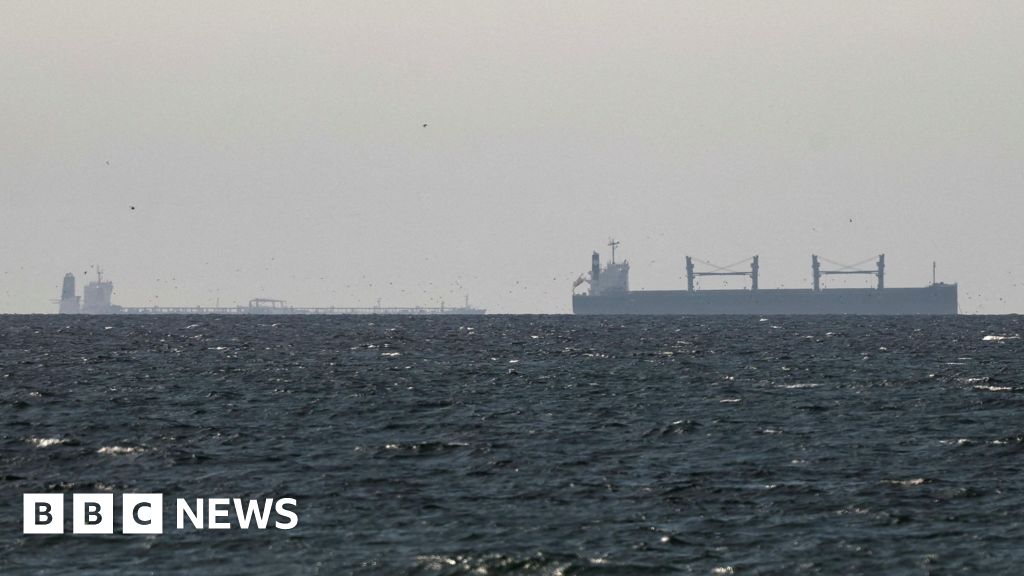

The recent pronouncement from the US regarding Iran’s nuclear program underscores the complex geopolitical landscape shaping the Middle East and North Africa region. While President Trump’s acknowledgment of Tehran’s stated willingness to negotiate carries a degree of diplomatic significance, it does not alter the fundamental calculus of economic and strategic implications for the region. The ongoing naval blockade, maintained until a verifiable agreement is secured, represents a significant financial lever. This policy directly impacts energy markets across the region, potentially disrupting supply chains, increasing prices, and triggering broader inflationary pressures. For nations heavily reliant on Iranian energy exports, the continued blockade presents a considerable economic risk, demanding careful risk mitigation strategies and an assessment of diversification options.
Beyond immediate energy concerns, the renewed focus on Iran’s nuclear ambitions provides a vital impetus for increased sovereign capital allocation within the MENA bloc. Governments are increasingly recognizing the need to fortify their national security postures through strategic investments in defense, technology, and infrastructure. The volatile regional environment demands proactive measures, and this necessitates a shift towards long-term, robust financial planning. Simultaneously, the fluctuating geopolitical climate is generating significant investment opportunities – particularly in sectors focused on cybersecurity, renewable energy, and advanced manufacturing – aligning with the broader trend of technology-driven economic transformation across the region. This represents a prime window for sovereign wealth funds (SWFs) to deploy capital into strategically important assets, bolstering regional economic resilience.
The venture capital landscape in the MENA region is also reacting to these developments. While the immediate economic uncertainty may restrain certain investment strategies, the long-term potential remains substantial. The region is experiencing a surge in digitally-focused startups, driven by ambitious government initiatives and a growing appetite for innovation. The potential for disruption across sectors – from fintech to e-commerce – presents opportunities for VC firms to deploy capital into promising ventures. Furthermore, the energy transition is creating novel opportunities for investment in green technologies and sustainable infrastructure projects. However, investors must exercise caution, carefully evaluating the political risk and assessing the sustainability of promising ventures within this dynamic context. The security situation warrants vigilant monitoring of regulatory changes and an understanding of the implications for regional supply chains.
Finally, the interplay between geopolitical tensions and regional infrastructure development is crucial. Investments in transport networks, digital infrastructure, and energy grids are increasingly viewed as cornerstones of long-term economic stability. The US policy regarding Iran’s nuclear program, while seemingly focused on a specific geopolitical challenge, ultimately impacts supply chains and connectivity within the broader MENA region. Improved infrastructure enhances trade, facilitates investment, and supports economic growth. Strategic investments in port development, rail networks, and digital connectivity are therefore not merely economic imperatives, but essential tools for navigating the evolving geopolitical landscape and securing the long-term prosperity of the region. Regional cooperation on infrastructure projects will be key to unlocking the full economic potential of the MENA bloc in the years to come.