
The recent developments in the Middle East and North Africa region underscore the profound business impact reverberating through sovereign capital markets, venture capital ecosystems, and regional infrastructure priorities. The ongoing Iran-United States conflict, reaffirmed by an unprecedented reopening of the Strait of Hormuz, continues to cast a shadow over investment flows and energy security. Gulf exporters are closely monitoring the full extent of infrastructure damage inflicted upon critical oil facilities and logistics hubs across the Arabian Peninsula, highlighting the fragility of supply chains in a volatile economic landscape. The United Arab Emirates, Saudi Arabia, and other regional counterparts face a complex balancing act, striving to meet production targets as they weigh short-term disruptions against long-term recovery imperatives.
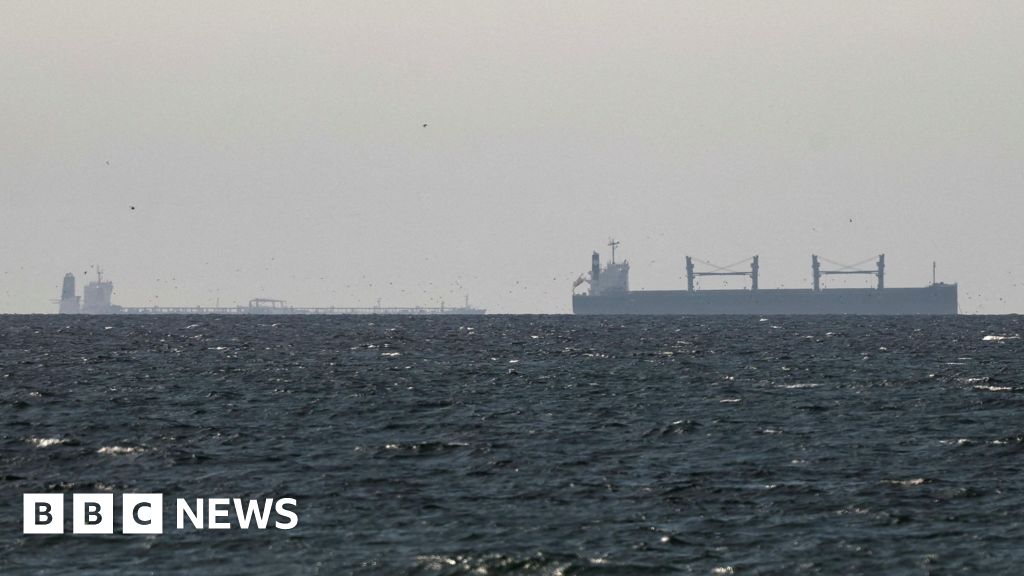
The sovereign capital flows are significantly being recalibrated in response to the evolving geopolitical risk. Investors are closely watching how the effective closure of the Hormuz channel affects oil prices and, by extension, global commodity markets. Brent and US crude have already experienced downward pressures in their first reactionary moves after the initial announcement, reflecting both market anticipation of sustained sanctions and underlying fears of energy supply constraints. The ripple effects have catalyzed a notable retreat by venture capital firms, as portfolio allocations are increasingly channeled toward more stable jurisdictions. However, these shifts have catalyzed renewed interest in regional energy assets and infrastructure development in pursuit of diversification and resilience.
Infrastructure investments are being called for as a strategic response to sustain global energy transit. Insurance providers are demanding clarity on the cost of risk mitigation, while tanker operators remain divided over the willingness to navigate through the increasingly uncertain maritime corridors. The IMF and World Bank have signaled an urgent readiness to deploy substantial financial assistance, with projections suggesting demands in the range of $20 to $50 billion for affected economies. This potential influx offers an important catalyst for countries striving to recalibrate growth trajectories and stabilize markets, yet the sheer scale and speed of funding remain uncertain. Investors and policymakers alike are acutely aware that the Middle East’s strategic position as an energy hub is now tested at a juncture, where coordinated action can determine resilience in the face of prolonged conflict.
The region’s financial landscape is at a crossroads, defined by the need to reconcile the immediate humanitarian and economic fallout of war with the aspirational goals of long-term stability and sustainable growth. As sovereign capital continues to flow and global markets recalibrate, the imperative for transparent communication and strategic foresight becomes increasingly salient. The IMF’s intervention stands not only as a lifeline but as a testament to the foundational shift required to secure equitable outcomes in a region whose prosperity hinges on both unity and resilience.