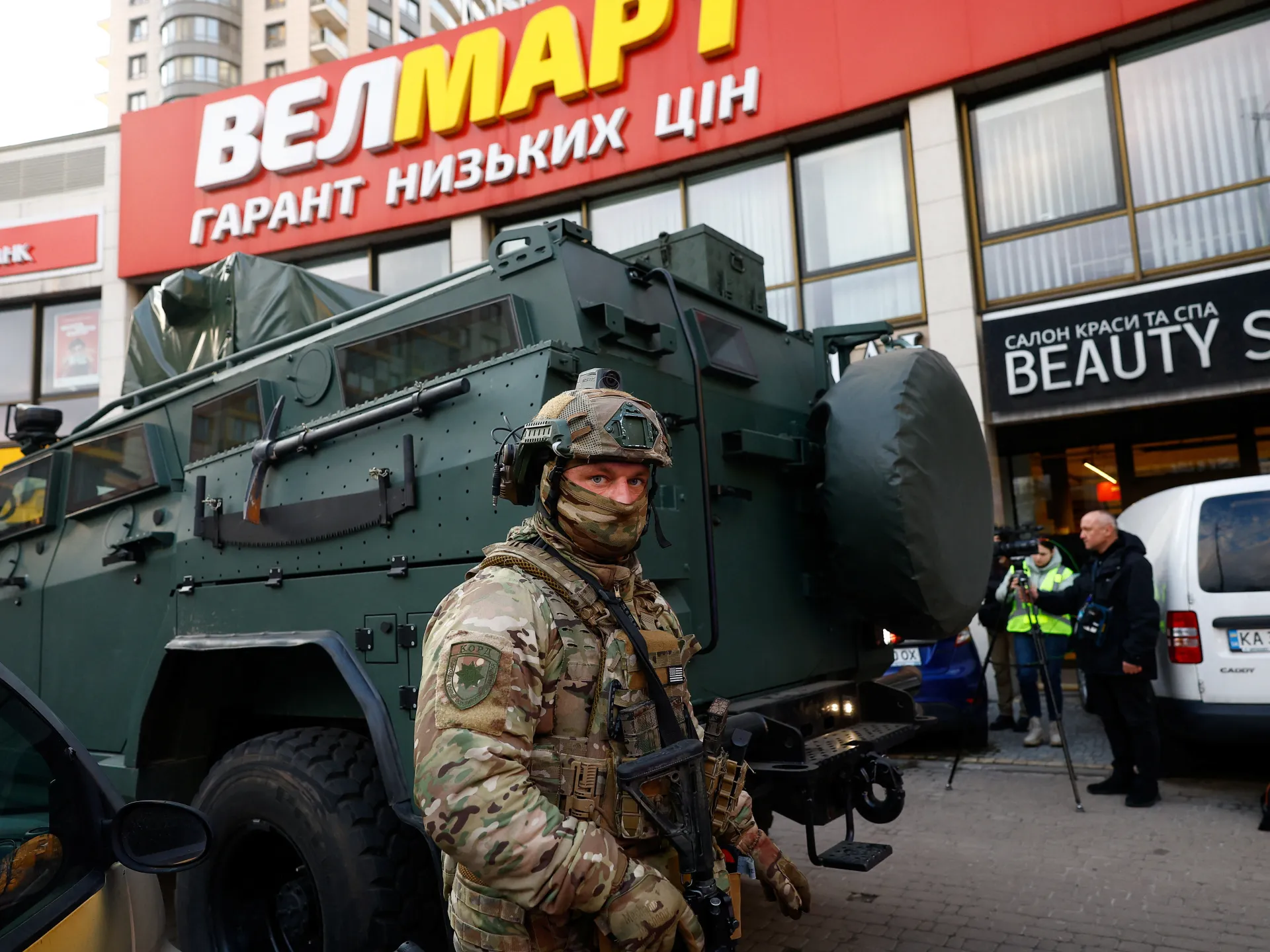

The recentmass shooting in Kyiv, orchestrated by a Moscow-born assailant with a legally registered firearm, underscores a concerning trend of transnational security threats that could reverberate through the Middle East and North Africa (MENA) region. While the incident is geographically distant, its implications for sovereign capital and regional stability are non-negligible. The attacker’s ability to acquire a permitted weapon in Moscow—despite Ukraine’s conflict—highlights vulnerabilities in global arms control frameworks and licensing systems. For MENA’s sovereign wealth funds, which prioritize diversification amid geopolitical turbulence, this event may reinforce a shift toward asset allocation in “safer” jurisdictions or toward instruments hedging against non-state violence. Venture capital ecosystems in the region, already navigating challenges like inflation and regulatory complexity, could face heightened caution from investors wary of spillover effects from similar incidents elsewhere, potentially stifling innovation in urban tech or security-focused startups.
Regional infrastructure development pipelines in MENA may also feel the strain of heightened security concerns. The Ukrainian attack, executed in a densely populated urban center, mirrors scenarios whereMENA cities could face analogous risks, particularly those with młody, mobile populations. Governments in the region might accelerate investments in advanced surveillance systems, drone-based monitoring, or patrol technologies to mitigate similar threats, diverting resources from other priorities such as renewable energy or transport corridors. Sovereign capital, often earmarked for long-term infrastructure via public-private partnerships, could face delays or increased cost provisions if perceived threats to project timelines emerge. Conversely, this incident may catalyze partnerships with Western tech firms offering AI-driven security solutions, tapping into VC capital mobilized for defense-oriented ventures—a strategic pivot that could reshape regional tech funding dynamics.
The broader business landscape in MENA is likely to see recalibration in response to these security signals. Cross-border investments tied to energy, logistics, or construction sectors—particularly in conflict-adjacent areas—may see tighter due diligence protocols. Local enterprises reliant on tourism or foreign direct investment could face additional operational costs from enhanced security protocols, squeezing profit margins. Meanwhile, the suspect’s legal firearm permit renewal in Russia raises questions about regulatory oversight in authoritarian states, a matter relevant to MENA nations balancing economic ties with Russia against security imperatives. Sovereign governments in the region might leverage this incident to advocate for stricter international arms oversight, a diplomatic lever that could influence negotiations with Gulf states or other actors. Ultimately, while the immediate fallout is in Ukraine, the episode serves as a litmus test for MENA’s resilience to global security shocks—a test with direct consequences for capital flows, technological adoption, and infrastructure ambitions in the coming years.