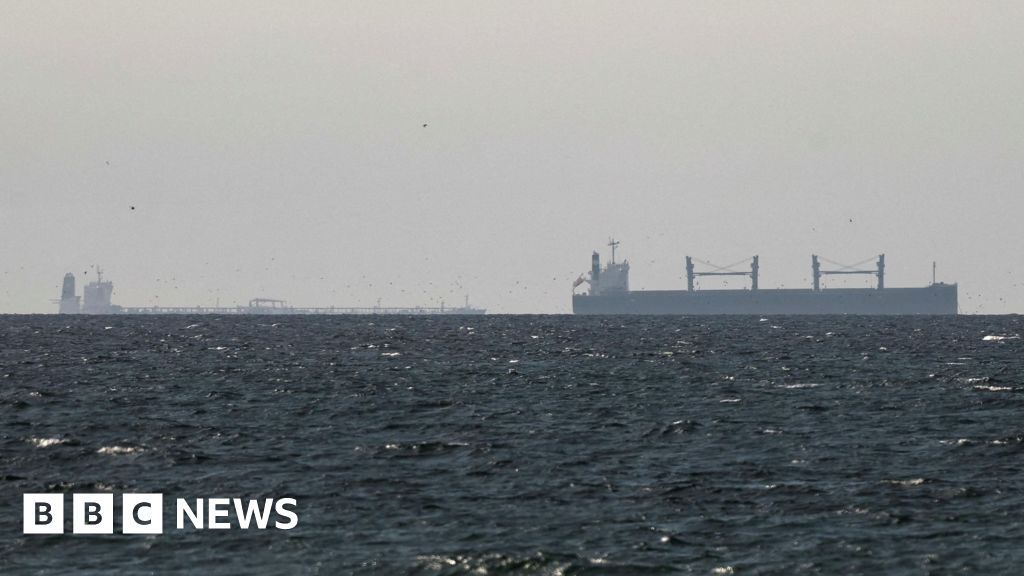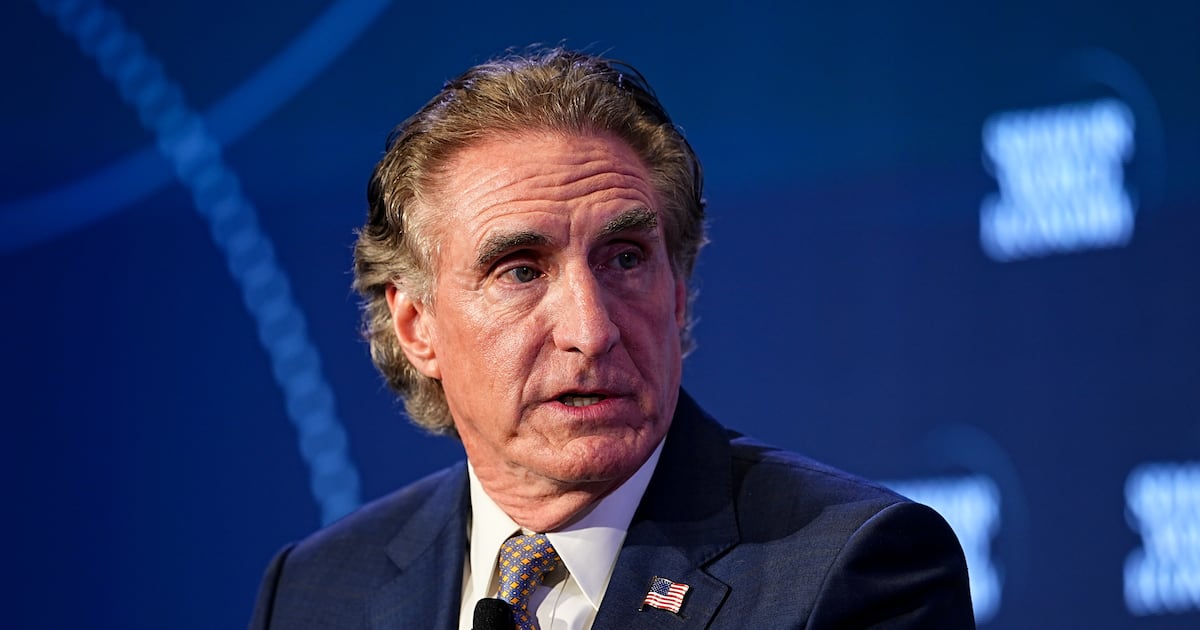

[Burgum’s remarks underscore the strategic interplay between U.S. maritime security initiatives and Gulf states’ economic resilience amid the Iran conflict. The U.S. blockade of the Strait of Hormuz, which initially caused a 70% drop in tanker traffic and pushed Brent crude to a four-year high of $126 per barrel, has cemented Washington’s leverage in energy markets. Gulf cooperation—particularly from Saudi Arabia and the UAE—has been critical to stabilizing regional oil flows, with the Gulf Cooperation Council (GCC) nations absorbing direct Iranian threats while safeguarding vital maritime corridors. The International Monetary Fund’s warning of a “1970s-style shock” to global oil supplies highlights the fragility of energy-dependent economies, yet U.S.-Gulf coordination has mitigated cascading fiscal risks.
The conflict has amplified scrutiny of sovereign capital strategies among GCC states, whose oil-dependent reserves face dual pressures of market volatility and geopolitical exposure. While Saudi Arabia and the UAE have leveraged sovereign wealth funds to diversify into non-energy sectors—such as renewable energy and digital infrastructure—these investments now face heightened geopolitical risk premiums. Iran’s designation as a “terrorist machine” controlling oilfields underscores the existential threat to regional capital flight, prompting accelerated shifts toward nearshoring and regional value chains. Meanwhile, venture capital flows into MENA startups, already strained by the pandemic, face further headwinds as investor appetite wanes amid uncertain governance and climate-driven disruptions.
Regional infrastructure remains a linchpin in navigating the crisis. The U.S. emphasis on data hubs in Riyadh and Abu Dhabi—highlighted in recent defense-technology partnerships—signals a recalibration of critical infrastructure priorities. These hubs, integral to NATO’s digital resilience plans, aim to insulate Gulf economies from cyber-physical disruptions while enhancing cross-border logistics. However, the war’s ripple effects have exposed vulnerabilities in Gulf energy infrastructure, particularly in logistics and maritime terminals, exacerbating calls for public-private partnerships to modernize grids and pipelines. The IMF’s muted outlook on inflation and growth underscores the region’s struggle to balance short-term stabilization with long-term structural reforms.
Amid this turbulence, the U.S. economy’s projected immunity to recession is tied to its decoupled energy strategy and robust consumption patterns. Gulf states, however, remain pivotal in U.S.-led initiatives to stabilize Eurasian security dynamics, their investments in offshore platforms and LNG terminals reshaping regional energy geopolitics. While the Iran conflict risks derailing short-term trade flows, its enduring impact lies in reshaping capital allocation—from fossil fuel dependency to tech-driven diversification—across MENA’s financial landscape. The region’s ability to adapt will hinge on balancing sovereign capital autonomy with strategic alignment to U.S.-backed multilateral frameworks.